
Top Stories
Ancient Bees Nested in Rodent Bones, Study Reveals Urgent Insights

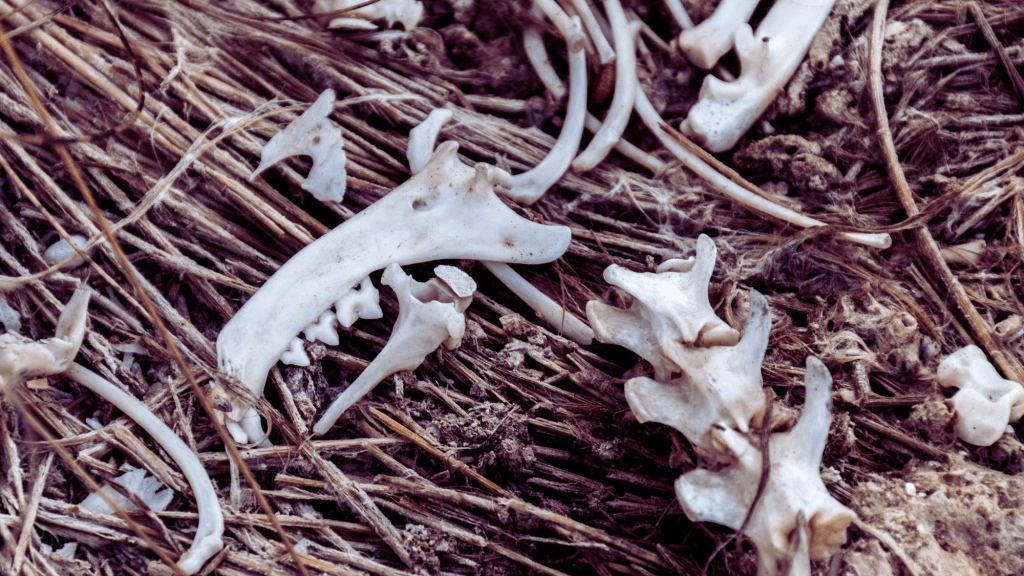
BREAKING: New research reveals that ancient bees, over 5,000 years ago, ingeniously nested inside the bones of dead rodents in the Caribbean, offering a thrilling glimpse into their survival strategies. The study, published in Royal Society Open Science, uncovers how these bees utilized existing cavities in rodent remains for their brood chambers.
The findings highlight a unique adaptation among burrowing bees on Hispaniola, the island currently shared by the Dominican Republic and Haiti. Researchers discovered a cave filled with the remains of hutias—stocky rodents reminiscent of a squirrel-beaver hybrid—alongside bones from an extinct sloth. Rather than creating new tunnels, these bees capitalized on pre-existing hollow bones, optimizing their nesting strategies in a challenging environment.
“The cells of Osnidum almontei appear highly opportunistic, filling all bony chambers available in the sediment deposit,” stated lead researcher Lazaro Viñola Lopez from the Field Museum. This discovery marks the first known example of bee nests constructed within fossil cavities, and it is only the second instance of burrowing bees nesting in a cave.
Why did these bees choose this unusual habitat? The karst landscape surrounding the cave, composed of sharp limestone and lacking natural soil, left them few viable nesting options. Study co-author Mitchell Riegler emphasized, “The area we were collecting in is karst, so it’s made of sharp, edgy limestone, and it’s lost all of its natural soils.”
The research team unearthed multiple nests within a single tooth cavity, indicating that successive generations of bees returned to this location after earlier nests were abandoned. This behavior suggests a remarkable adaptability and problem-solving ability in ancient bees.
The cave itself faced potential destruction as plans emerged to convert it into a septic storage facility. Following a final visit, researchers engaged in a “rescue mission,” extracting as many fossils as possible before the site was compromised. Fortunately, those plans fell through, but a significant number of fossils remain unstudied, indicating that this peculiar interaction among bees, owls, and rodents may hold even more secrets yet to be unveiled.
As scientists continue to analyze these findings, the implications of this research extend beyond mere curiosity. It sheds light on the intricate relationships within ecosystems and the survival strategies of ancient species. The collaboration between bees and the remains of extinct creatures paints a vivid picture of life thousands of years ago, offering invaluable insights into evolutionary adaptations.
Stay tuned for more updates on this incredible discovery and what it reveals about our planet’s ancient history.

Texas Mom’s Nighttime Surprise: Toddler’s Late-Night Escape Shocks Family

Philip Rivers Banned from Hall of Fame for 5 More Years

Urgent Warning: Middle Managers Face Job Cuts Amid Tech Shakeup

Innovative Leaf-Scanning Technology Helps Farmers Assess Fruit Ripeness

Houston Cougars Face Arkansas Razorbacks in High-Stakes Showdown

Incyte’s Antibody Shows Promise for Treating Rare Blood Cancer

Parents Face Financial Strain by Supporting Adult Children

Democrats Capitalize on “Affordability” to Shift Political Landscape

Aimee Ng Revitalizes the Frick Collection with Curatorial Innovation

Inventor Achieves Breakthrough with 2 Billion FPS Laser Video

Community Unites for 7th Annual Into the Light Walk for Mental Health

Charlie Sheen’s New Romance: ‘Glowing’ with Younger Partner

Dua Lipa Aces GCSE Spanish, Sparks Super Bowl Buzz with Fans

Curium Group, PeptiDream, and PDRadiopharma Launch Key Cancer Trial

Mother Fights to Reunite with Children After Kidnapping in New Drama

Former Mozilla CMO Launches AI-Driven Cannabis Cocktail Brand Fast

R&B Icon D’Angelo Dies at 51, Leaving Lasting Legacy

Israel Reopens Rafah Crossing After Hostage Remains Returned
-
 Science2 months ago
Inventor Achieves Breakthrough with 2 Billion FPS Laser Video
-
 Health2 months ago
Community Unites for 7th Annual Into the Light Walk for Mental Health
-
 Top Stories2 months ago
Charlie Sheen’s New Romance: ‘Glowing’ with Younger Partner
-
 Entertainment2 months ago
Dua Lipa Aces GCSE Spanish, Sparks Super Bowl Buzz with Fans
-
 Health2 months ago
Curium Group, PeptiDream, and PDRadiopharma Launch Key Cancer Trial
-
 Entertainment2 months ago
Mother Fights to Reunite with Children After Kidnapping in New Drama
-
 Top Stories2 months ago
Former Mozilla CMO Launches AI-Driven Cannabis Cocktail Brand Fast
-
 World2 months ago
R&B Icon D’Angelo Dies at 51, Leaving Lasting Legacy
-
 World2 months ago
Israel Reopens Rafah Crossing After Hostage Remains Returned
-

 Business2 months ago
Tyler Technologies Set to Reveal Q3 Earnings on October 22
-

 Health2 months ago
YouTube Launches New Mental Health Tools for Teen Users
-

 Health2 months ago
North Carolina’s Biotech Boom: Billions in New Investments