
Business
Federal Reserve Lowers Interest Rates Again as Inflation Looms

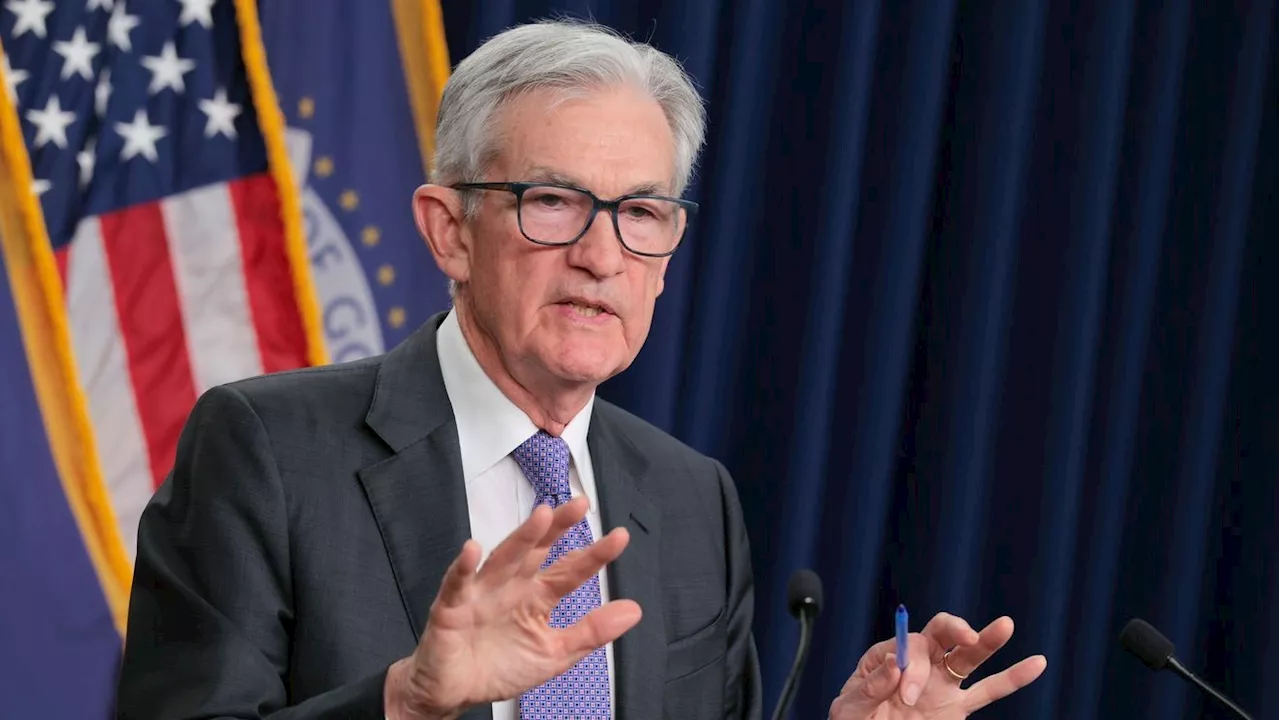
The Federal Reserve has reduced its benchmark interest rate for the third time this year, lowering it by a quarter percentage point to a range of 3.5% to 3.75%. This decision, announced on December 10, 2025, reflects ongoing efforts by the central bank to address persistent inflation while navigating a cooling labor market. Despite the cut, Chair Jerome Powell emphasized the uncertainty that lies ahead, highlighting the complex balance policymakers must maintain between inflationary pressures and employment levels.
Following the announcement, President Donald Trump expressed his belief that the cuts could have been larger, suggesting they “could have been doubled, at least doubled.” This statement indicates a strong expectation from the White House for continued aggressive monetary policy aimed at fostering cheaper borrowing costs. As the administration gears up for the 2026 midterm elections, Trump has increasingly linked lower rates to his broader message of affordability for American households.
The implications of the interest rate cut are significant. While inflation remains above the Federal Reserve’s target of 2%, Powell warned that the risks to inflation are mainly on the upside, whereas employment risks lean towards the downside. He remarked, “There is no risk-free path for policy as we navigate this tension between our employment and inflation goals.” This caution underscores the Fed’s hesitation to lower rates too quickly, which could inadvertently exacerbate existing economic challenges.
Political Dynamics Surrounding Rate Cuts
The timing of the Federal Reserve’s decision comes amid politically sensitive circumstances. Trump has made it clear that he expects his next Fed chair to prioritize rate reductions, considering it a critical factor in addressing economic concerns. When asked if supporting immediate rate cuts is a litmus test for the position, he affirmed, “Yes.”
The National Economic Council Director, Kevin Hassett, who is viewed as a leading candidate for the role, echoed Trump’s sentiment. He stated that the Fed has “plenty of room to cut rates” and anticipates further reductions in the upcoming months. This position aligns with market expectations, suggesting that the current easing cycle is far from over.
In contrast, Democrats have criticized the administration’s approach, claiming that Republicans are responsible for ongoing affordability issues. Representative Sarah McBride of Delaware remarked that Americans are facing “a litany of broken promises and billionaire tax breaks,” attributing the affordability crisis to choices made by congressional Republicans and Trump himself.
Economic Outlook and Consumer Impact
As the administration promotes its economic agenda, Trump has been on the campaign trail, touting tax cuts and declining energy prices as evidence of his administration’s success. During a recent rally in Pennsylvania, he assured supporters, “We’re bringing it down, and we’re coming down more,” promising further relief through monetary policy.
Critics, however, caution that aggressive rate cuts could lead to increased debt levels and risk overheating segments of the economy. The administration argues that lower borrowing costs will provide immediate relief to consumers, allowing them to manage financial strain more effectively as prices remain elevated.
The Federal Reserve’s decision to cut interest rates highlights the ongoing debate over the best approach to support economic growth while managing inflation. As the situation evolves, the balance of these factors will play a crucial role in shaping the economic landscape in the months to come.

Iconic ‘Star Wars’ Painting Sold for $3.9 Million at Auction

Denver Unveils Dazzling Holiday Lights for 2025 Season Now!

US Drops Bribery Charges Against Ex-Fox Employee Hernan Lopez

New Metro Transit Route Launches, Cuts Travel Time to Airport by 30 Min

Sook Opens in DC, Replacing Compass Rose with Fresh Fare

New Study Links Roman Urbanism to Decline in Public Health

Kyle Schwarber Rejoins Phillies with Ambitions for J.T. Realmuto

Opposition Leader María Corina Machado’s Daring Escape from Venezuela

Federal Reserve Lowers Interest Rates Again as Inflation Looms

Inventor Achieves Breakthrough with 2 Billion FPS Laser Video

Community Unites for 7th Annual Into the Light Walk for Mental Health

Charlie Sheen’s New Romance: ‘Glowing’ with Younger Partner

Dua Lipa Aces GCSE Spanish, Sparks Super Bowl Buzz with Fans

Curium Group, PeptiDream, and PDRadiopharma Launch Key Cancer Trial

Former Mozilla CMO Launches AI-Driven Cannabis Cocktail Brand Fast

Israel Reopens Rafah Crossing After Hostage Remains Returned

Mother Fights to Reunite with Children After Kidnapping in New Drama

R&B Icon D’Angelo Dies at 51, Leaving Lasting Legacy
-
 Science2 months ago
Inventor Achieves Breakthrough with 2 Billion FPS Laser Video
-
 Health2 months ago
Community Unites for 7th Annual Into the Light Walk for Mental Health
-
 Top Stories2 months ago
Charlie Sheen’s New Romance: ‘Glowing’ with Younger Partner
-
 Entertainment2 months ago
Dua Lipa Aces GCSE Spanish, Sparks Super Bowl Buzz with Fans
-
 Health2 months ago
Curium Group, PeptiDream, and PDRadiopharma Launch Key Cancer Trial
-
 Top Stories2 months ago
Former Mozilla CMO Launches AI-Driven Cannabis Cocktail Brand Fast
-
 World2 months ago
Israel Reopens Rafah Crossing After Hostage Remains Returned
-
 Entertainment2 months ago
Mother Fights to Reunite with Children After Kidnapping in New Drama
-
 World2 months ago
R&B Icon D’Angelo Dies at 51, Leaving Lasting Legacy
-

 Business2 months ago
Tyler Technologies Set to Reveal Q3 Earnings on October 22
-

 Health2 months ago
YouTube Launches New Mental Health Tools for Teen Users
-

 Health2 months ago
North Carolina’s Biotech Boom: Billions in New Investments