
Politics
U.S. Proposes New Social Media Disclosure for Visa Waiver Travelers

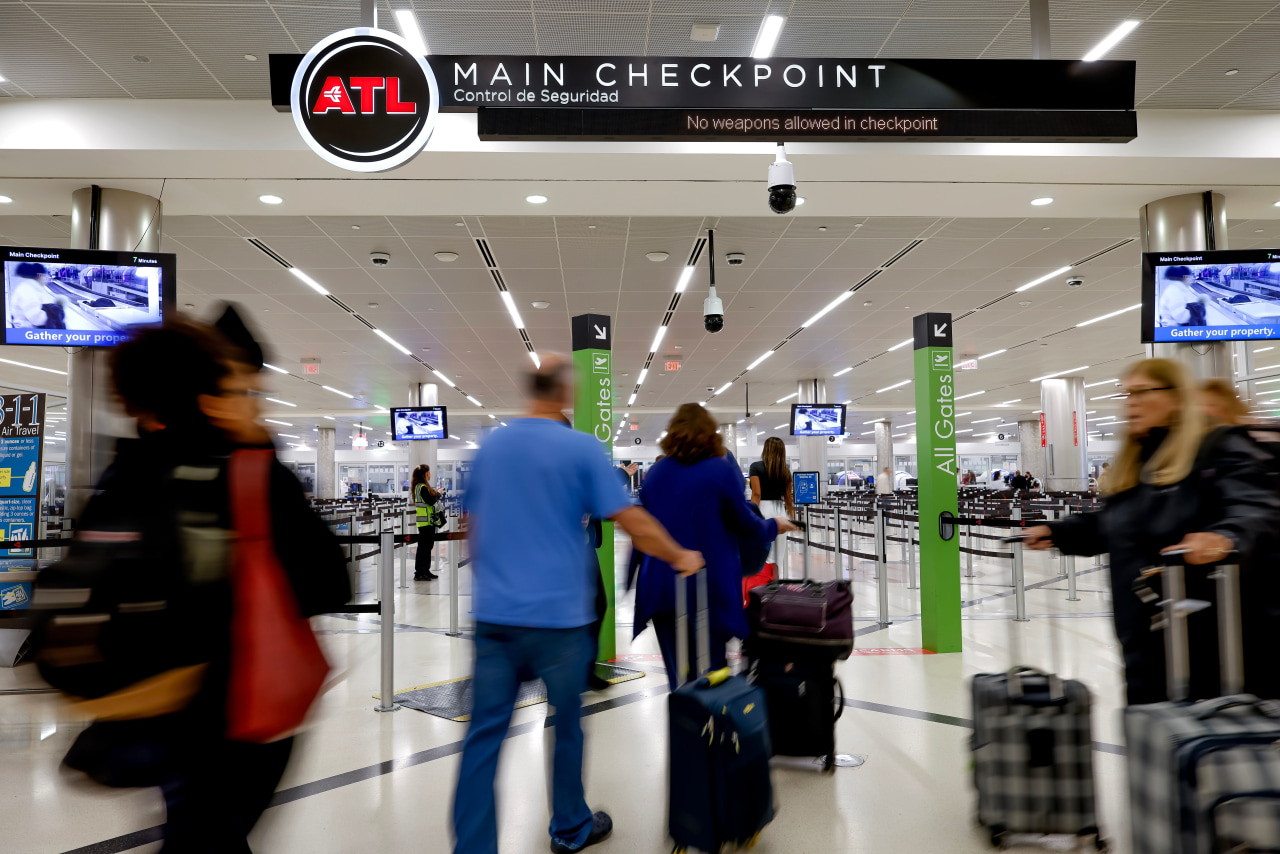
Travelers from the United Kingdom, France, Japan, and several other countries participating in the Visa Waiver Program may soon be required to disclose five years of their social media history to enter the United States. This proposed regulation aims to enhance national security by allowing U.S. officials to assess potential risks associated with visitors from these nations.
The U.S. Department of Homeland Security has outlined this initiative as part of broader efforts to improve safety and security at its borders. Currently, citizens from participating countries can travel to the U.S. for short stays without applying for a visa. If implemented, this new requirement could significantly alter the travel experience for millions of visitors each year.
Details of the Proposed Regulation
Under this proposal, travelers would need to provide usernames and account information for various social media platforms. This information would cover a range of platforms, including popular sites such as Facebook, Twitter, and Instagram. The goal is to give authorities a clearer picture of an individual’s online presence, which is seen as increasingly relevant in assessing security threats.
If enacted, this regulation would affect citizens from countries traditionally seen as low-risk for visa requirements. The Visa Waiver Program currently allows over 40 countries to send tourists and business travelers to the U.S. for up to 90 days without a visa. The inclusion of social media history in the application process is viewed as a significant shift in policy.
Implications for Travelers
Travel experts are expressing concerns about the potential impact on international travel. Many travelers value their privacy and may perceive this requirement as intrusive. The decision to collect social media information raises questions about data security and how this sensitive information will be used and stored by U.S. authorities.
Jane Smith, an international travel consultant, remarked, “This could deter many travelers who may feel uncomfortable sharing such personal information. It’s essential that travelers understand how this data will be managed.”
The proposal is still in its early stages and is subject to public comment and review. If it proceeds, travelers could see this requirement implemented as early as 2024. Stakeholders from various sectors, including tourism and technology, are expected to lobby for clearer guidelines on data usage and privacy protections.
As discussions continue, the travel industry is closely monitoring the situation. With the potential for increased scrutiny on social media usage, the dynamics of international travel may shift significantly in the coming years.

Funko’s Price Target Increased to $4.00 as Analysts React

Humboldt Celebrates as ‘One Battle After Another’ Claims Best Picture

GSK Faces Backlash Over Asthma Inhaler Scrapping, Children Suffer

Adorable Sandhill Crane Colt Hugs Mom in The Villages

USA Unveils Star-Spangled Jerseys Ahead of March Friendlies

Newport Plans Colorful Lighting for Fourth Street Bridge

Sandia Scientists Honored for Innovative Career Journeys

Urgent: Charles M. Payment Passes Away at 78, Memorial Details Inside

NFL Free Agency: Key Moves and Player Signings in Week One

Researchers Launch $1.25M Project for Real-Time Hazard Monitoring in Hawaiʻi

Send It South Revives Culture and Community at The Momentary

UK Government Borrowing Hits £20.2 Billion in September Surge

Flipkart Republic Day Sale: iPhone 16 Plus Price Slashed by ₹23,900

Adecco SA Secures Mixed Ratings from Analysts Amid Earnings Update

Globant Reveals Key Tech Forces Shaping Business in 2026

Researchers Achieve Record 15.1 mA/cm² Hydrogen Production Efficiency

Dua Lipa Aces GCSE Spanish, Sparks Super Bowl Buzz with Fans

Inventor Achieves Breakthrough with 2 Billion FPS Laser Video
-
 Science8 months ago
Researchers Launch $1.25M Project for Real-Time Hazard Monitoring in Hawaiʻi
-
 Entertainment7 months ago
Send It South Revives Culture and Community at The Momentary
-
 World10 months ago
UK Government Borrowing Hits £20.2 Billion in September Surge
-
 Business6 months ago
Flipkart Republic Day Sale: iPhone 16 Plus Price Slashed by ₹23,900
-
 Sports8 months ago
Adecco SA Secures Mixed Ratings from Analysts Amid Earnings Update
-
 Business8 months ago
Globant Reveals Key Tech Forces Shaping Business in 2026
-
 Top Stories5 months ago
Researchers Achieve Record 15.1 mA/cm² Hydrogen Production Efficiency
-
 Entertainment10 months ago
Dua Lipa Aces GCSE Spanish, Sparks Super Bowl Buzz with Fans
-
 Science10 months ago
Inventor Achieves Breakthrough with 2 Billion FPS Laser Video
-

 Top Stories10 months ago
Charlie Sheen’s New Romance: ‘Glowing’ with Younger Partner
-

 Top Stories8 months ago
JSerra Names Hardy Nickerson as First Black Football Coach
-

 Health10 months ago
Community Unites for 7th Annual Into the Light Walk for Mental Health