
Health
FDA Faces Criticism Amid Declining Drug Approvals in 2025

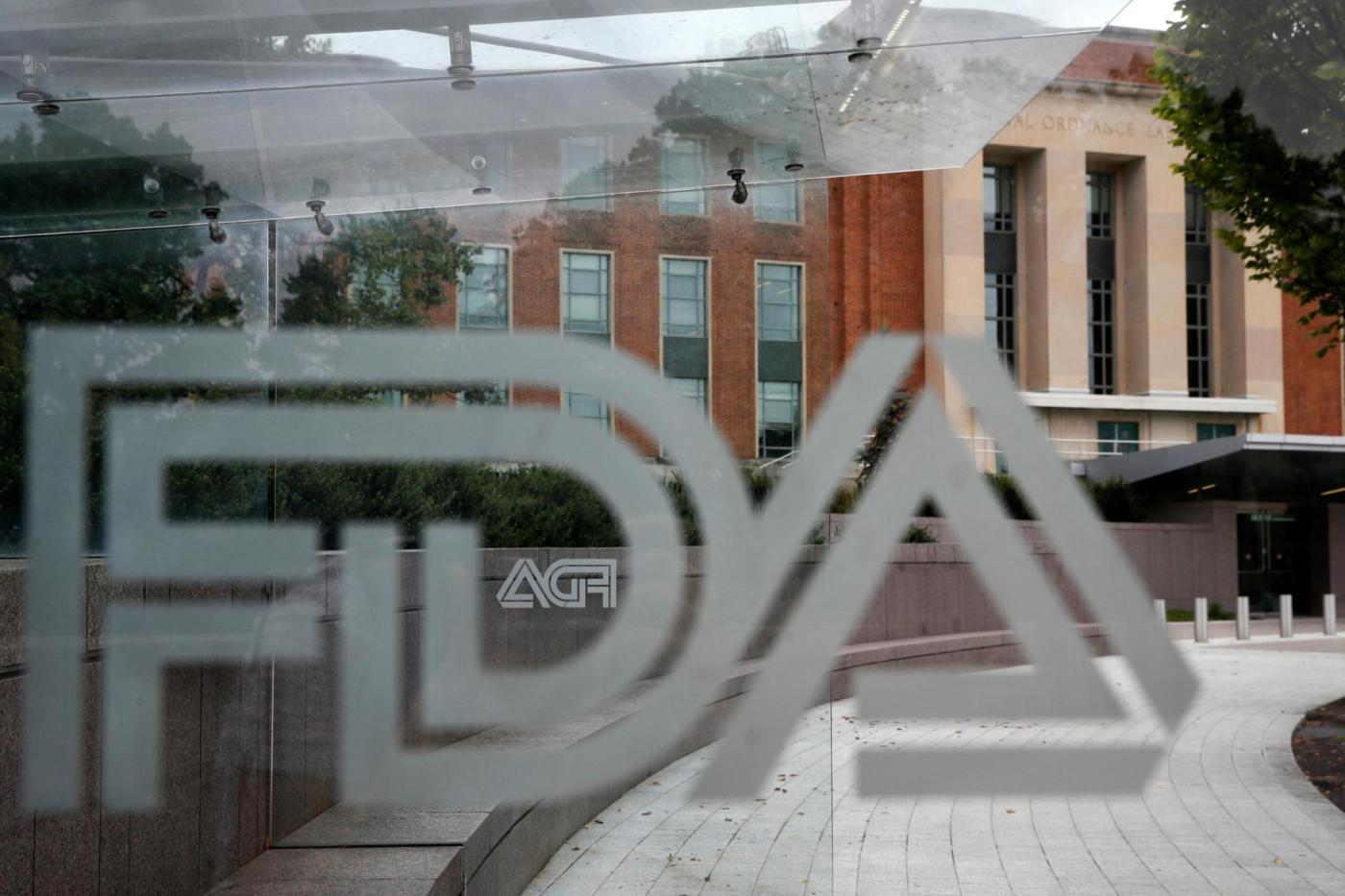
The Food and Drug Administration (FDA) is facing significant scrutiny as concerns mount over its increasing reluctance to approve new medications. In a recent commentary, Dr. Marty Makary, Commissioner of the FDA, highlighted the agency’s accomplishments for the year 2025, emphasizing reduced decision times and accelerated drug approvals. However, critics argue that the agency’s heightened risk aversion is stifling innovation and leaving patients with fewer treatment options.
Despite boasting a consistent average of 46 new therapeutic agents approved in 2025, the FDA’s overall approval rates are not keeping pace with the growing number of drugs entering clinical trials. A report from Nature indicates that while the FDA has maintained a steady approval count, the pipeline of drugs awaiting evaluation has expanded significantly. According to data from RxDataLab, the number of active “Investigational New Drugs” has surged from approximately 11,000 in the five years preceding the COVID-19 pandemic to over 14,000 in recent years. This increase highlights the disconnect between the growing demand for innovative treatments and the FDA’s current approval capabilities.
Concerns Over Risk Aversion
The FDA’s recent decisions regarding several high-profile medications illustrate this trend of risk aversion. For instance, the agency has repeatedly denied approval for an ophthalmic version of Avastin, which is already permitted for other uses, to treat wet age-related macular degeneration. The FDA contends that there is insufficient evidence for its effectiveness, a stance not shared by regulatory bodies in Europe.
Similarly, the FDA’s rejection of a higher dose formulation of Spinraza, used for treating spinal muscular atrophy, was attributed to a lack of technical information in the drug’s application paperwork. Reports indicate that the required data is readily available, yet the agency prioritized documentation over the urgent need for effective treatment options. Patients in Japan have access to this higher dose regimen, raising questions about the FDA’s standards.
The agency also faced criticism for its handling of Ebvallo, a medication for a rare and often fatal blood cancer. The FDA has been hesitant to approve clinical trials for this drug, not due to safety concerns, but due to issues at third-party manufacturing sites. In contrast, patients in Europe have had access to this life-saving treatment since 2022.
Missed Opportunities for Patients
The FDA ended 2025 with yet another controversial rejection, this time for relacorilant, a drug designed to treat Cushing’s syndrome, a rare hormonal disorder. Despite evidence from clinical trials indicating significant benefits, including improvements in blood pressure and glucose levels, the FDA insisted on additional efficacy data before granting approval. This decision denies patients the ability to make informed choices regarding their treatment options.
Critics argue that the FDA’s current approach hampers progress in medical innovation and access to necessary therapies. The agency has the potential to save lives by expediting the approval process while maintaining safety standards. As frustrations grow among patients and healthcare providers, the demand for a more responsive regulatory environment becomes increasingly urgent.
The ongoing debate surrounding the FDA’s approval processes underscores the critical balance between ensuring safety and fostering innovation. As the agency navigates these complex challenges, the implications for patients seeking effective treatments remain a pressing concern for many Americans.

Nicolas Cage’s Sci-Fi Classic Leaving Netflix—Get It Now!

Biodiversity Loss Fuels Surge in Mosquito Populations in Brazil

Gauff and Williams Could Clash Early at Australian Open

NTSB Links UPS Flight 2976 Crash to Long-Known Engine Issue

Matthew McConaughey’s Thriller ‘The Rivals of Amziah King’ Set for 2026 Release

Healthcare Services Group Secures $19.40 Average Target Price from Analysts

Willow Smith Stuns in Swimwear Look, Fans Go Wild on Instagram

Sprouts Launches THC Drinks Amid Federal Ban Threat

Urgent Meeting Sparks Debate Over Impact Fees in Palatka

Inventor Achieves Breakthrough with 2 Billion FPS Laser Video

Community Unites for 7th Annual Into the Light Walk for Mental Health

Charlie Sheen’s New Romance: ‘Glowing’ with Younger Partner

Dua Lipa Aces GCSE Spanish, Sparks Super Bowl Buzz with Fans

Mother Fights to Reunite with Children After Kidnapping in New Drama

Researchers Launch $1.25M Project for Real-Time Hazard Monitoring in Hawaiʻi

Former Mozilla CMO Launches AI-Driven Cannabis Cocktail Brand Fast

R&B Icon D’Angelo Dies at 51, Leaving Lasting Legacy

Curium Group, PeptiDream, and PDRadiopharma Launch Key Cancer Trial
-
 Science3 months ago
Inventor Achieves Breakthrough with 2 Billion FPS Laser Video
-
 Health3 months ago
Community Unites for 7th Annual Into the Light Walk for Mental Health
-
 Top Stories3 months ago
Charlie Sheen’s New Romance: ‘Glowing’ with Younger Partner
-
 Entertainment3 months ago
Dua Lipa Aces GCSE Spanish, Sparks Super Bowl Buzz with Fans
-
 Entertainment3 months ago
Mother Fights to Reunite with Children After Kidnapping in New Drama
-
 Science1 month ago
Researchers Launch $1.25M Project for Real-Time Hazard Monitoring in Hawaiʻi
-
 Top Stories3 months ago
Former Mozilla CMO Launches AI-Driven Cannabis Cocktail Brand Fast
-
 World3 months ago
R&B Icon D’Angelo Dies at 51, Leaving Lasting Legacy
-
 Health3 months ago
Curium Group, PeptiDream, and PDRadiopharma Launch Key Cancer Trial
-

 Health3 months ago
Parenting Pitfalls: 16 Small Mistakes with Long-Term Effects
-

 Science3 months ago
AI Gun Detection System Mistakes Doritos for Weapon, Sparks Outrage
-

 Entertainment3 months ago
Olivia Plath Opens Up About Her Marriage Struggles and Divorce