
Politics
California’s Proposed Wealth Tax Sparks Billionaire Exodus

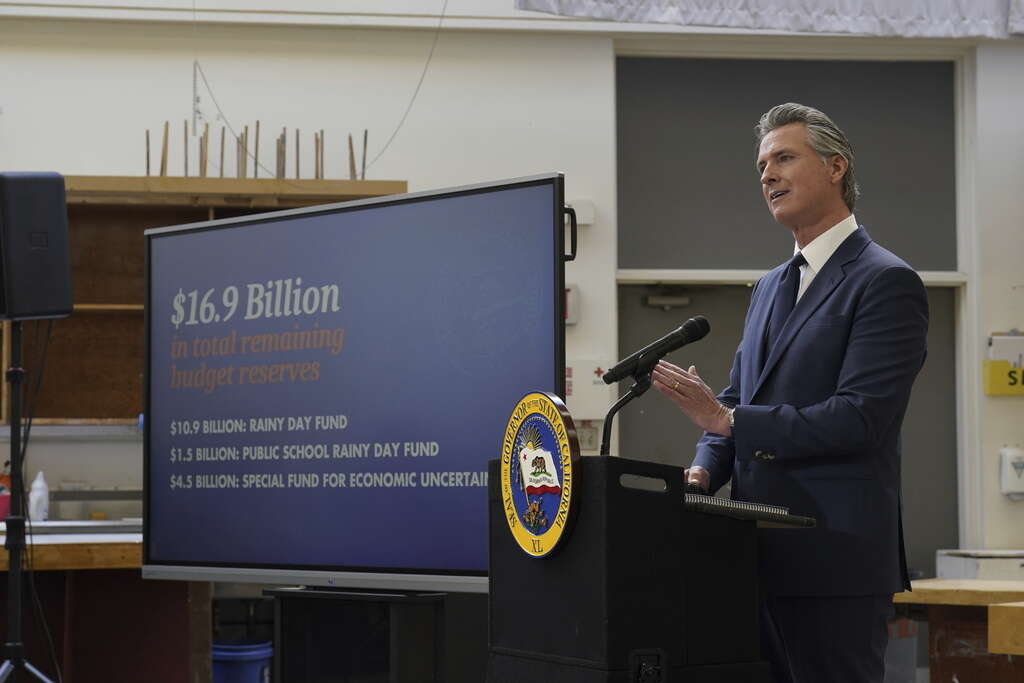
California’s proposed wealth tax has already prompted the departure of at least six billionaires, raising concerns about potential long-term budget risks for the state. This preemptive exodus highlights the fiscal implications of the initiative, which could undermine not only new tax revenue but also ongoing collections from California’s existing tax system. The initiative has not even begun signature collection, yet it appears to already influence the decisions of some of the state’s wealthiest residents.
According to the nonpartisan Legislative Analyst’s Office, while the wealth tax would generate a temporary increase in state revenue, it could lead to a “likely ongoing decrease in state income tax revenues.” The departure of billionaires may not be limited to the six reported cases; many more could follow if the initiative gains traction. The uncertainty surrounding legal challenges further complicates the tax’s future viability. California risks losing a significant number of high earners, alongside the potential revenue from the proposed tax, which may never materialize.
The state’s tax system is particularly vulnerable to such changes due to its heavy reliance on high-income earners. By 2019, individuals earning more than $1 million contributed approximately 40 percent of California’s personal income tax collections. Those with incomes exceeding $5 million—fewer than 10,500 filers—were responsible for roughly 20 percent of total income tax revenue. The wealthiest households, potentially affected by the proposed tax, collectively contribute over $5 billion annually in income taxes.
If billionaires and high earners opt to leave California, the impact will extend beyond their individual tax contributions. For each billionaire departure, numerous high-paying jobs and associated businesses may relocate as well. Cities like Austin, Phoenix, and Tampa Bay are already positioning themselves as attractive alternatives for tech executives and investors looking to avoid the wealth tax.
High earners typically cluster around thriving businesses and venture capital, meaning that their exit could lead to a cascading effect on local economies. Losing just 10,500 high earners could result in a staggering $25 billion drop in personal income tax collections based on current revenue projections. This scenario underscores the potential for a budget crisis if significant numbers of high-income residents depart.
The proposed wealth tax is designed as a one-time tax with earmarked revenue, which may not adequately offset the anticipated decline in revenue from education and other essential government services. Approximately 40 percent of California’s personal income tax revenue is allocated to education, and a decrease in high-income earners directly jeopardizes funding for schools and state functions.
The tax’s residency requirement, set to take effect on January 1, 2026, is also expected to face legal scrutiny. The initiative’s authors have included language allowing courts to modify the residency date if necessary. This retroactive and non-proportional requirement raises questions about its legitimacy, as billionaires may choose to relocate later in the year, anticipating possible judicial adjustments.
California’s reputation as the epicenter of tech investment and innovation hangs in the balance. Other regions have long sought to chip away at Silicon Valley’s dominance, but the rise of artificial intelligence has further solidified California’s position. Should key figures in the tech industry leave to evade a wealth tax that may never come to fruition, competing states could emerge as the main beneficiaries.
Jared Walczak, a visiting fellow for the California Tax Foundation and a senior fellow with the Tax Foundation, emphasizes the potential consequences of the proposed tax. The departure of billionaires and high earners could have lasting ramifications for California’s economy and budget. If the initiative leads to a mass exodus, the state’s finances may find themselves in a precarious situation that cannot be remedied by the wealth tax itself.

Funko’s Price Target Increased to $4.00 as Analysts React

Humboldt Celebrates as ‘One Battle After Another’ Claims Best Picture

GSK Faces Backlash Over Asthma Inhaler Scrapping, Children Suffer

Adorable Sandhill Crane Colt Hugs Mom in The Villages

USA Unveils Star-Spangled Jerseys Ahead of March Friendlies

Newport Plans Colorful Lighting for Fourth Street Bridge

Sandia Scientists Honored for Innovative Career Journeys

Urgent: Charles M. Payment Passes Away at 78, Memorial Details Inside

NFL Free Agency: Key Moves and Player Signings in Week One

Researchers Launch $1.25M Project for Real-Time Hazard Monitoring in Hawaiʻi

Send It South Revives Culture and Community at The Momentary

UK Government Borrowing Hits £20.2 Billion in September Surge

Flipkart Republic Day Sale: iPhone 16 Plus Price Slashed by ₹23,900

Adecco SA Secures Mixed Ratings from Analysts Amid Earnings Update

Globant Reveals Key Tech Forces Shaping Business in 2026

Researchers Achieve Record 15.1 mA/cm² Hydrogen Production Efficiency

Inventor Achieves Breakthrough with 2 Billion FPS Laser Video

Dua Lipa Aces GCSE Spanish, Sparks Super Bowl Buzz with Fans
-
 Science8 months ago
Researchers Launch $1.25M Project for Real-Time Hazard Monitoring in Hawaiʻi
-
 Entertainment7 months ago
Send It South Revives Culture and Community at The Momentary
-
 World10 months ago
UK Government Borrowing Hits £20.2 Billion in September Surge
-
 Business6 months ago
Flipkart Republic Day Sale: iPhone 16 Plus Price Slashed by ₹23,900
-
 Sports8 months ago
Adecco SA Secures Mixed Ratings from Analysts Amid Earnings Update
-
 Business8 months ago
Globant Reveals Key Tech Forces Shaping Business in 2026
-
 Top Stories5 months ago
Researchers Achieve Record 15.1 mA/cm² Hydrogen Production Efficiency
-
 Science10 months ago
Inventor Achieves Breakthrough with 2 Billion FPS Laser Video
-
 Entertainment10 months ago
Dua Lipa Aces GCSE Spanish, Sparks Super Bowl Buzz with Fans
-

 Top Stories10 months ago
Charlie Sheen’s New Romance: ‘Glowing’ with Younger Partner
-

 Top Stories8 months ago
JSerra Names Hardy Nickerson as First Black Football Coach
-

 Health10 months ago
Community Unites for 7th Annual Into the Light Walk for Mental Health