
Health
Revolutionizing Dementia Care: New Diagnostics and Treatments Emerge

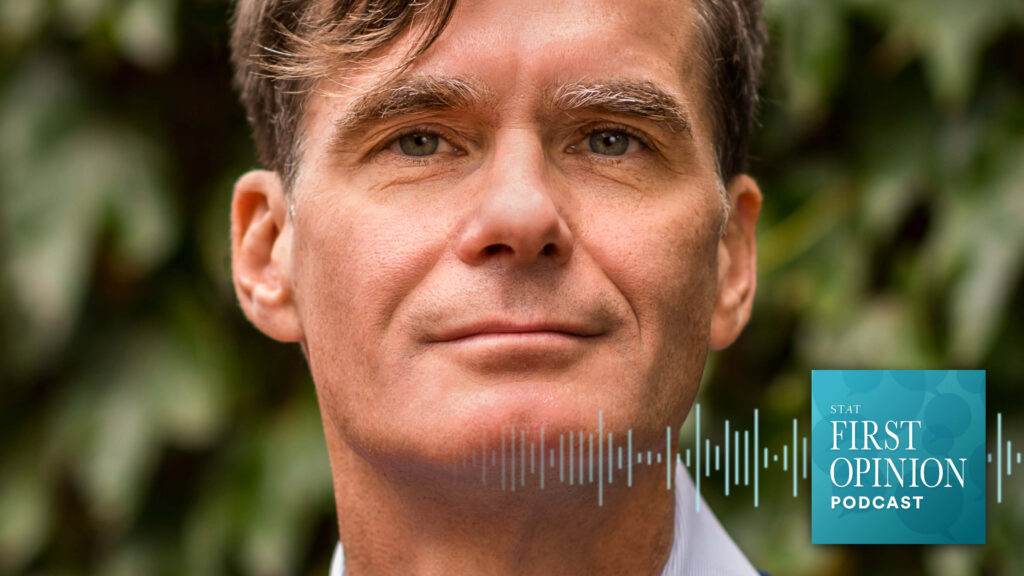
Recent advancements in dementia care are transforming the landscape for patients and healthcare providers alike. According to Jason Karlawish, a prominent figure in the field and a professor at the University of Pennsylvania, the evolution of diagnostics and treatments marks a significant shift in how dementia is approached. In an interview on the “First Opinion Podcast,” he reflected on his experiences working with dementia patients since the late 1990s, a time when he could offer little beyond a diagnosis.
Karlawish, who also serves as the co-director of the Penn Memory Center and writes the Neurotransmissions column for STAT, highlighted how current medical advancements now allow for more precise diagnostics and effective treatments. “For many patients, I can give you a definitive diagnosis,” he stated. This progress not only aids in identifying the condition but also provides options for therapies that can slow disease progression.
A Shift in Patient Experience
The transformation in dementia care is characterized by what Karlawish describes as the “democratization of dementia.” This term reflects the increased accessibility of accurate diagnoses and treatments across diverse patient populations. He noted that the experiences of patients today differ markedly from those observed in the late 20th and early 21st centuries, when treatment options were severely limited.
Despite these advancements, Karlawish emphasized that the U.S. medical system faces a pressing challenge: adapting to these improvements in diagnostics and treatments. As innovations emerge, it is crucial for the healthcare infrastructure to integrate these advancements effectively to ensure that all patients benefit from the evolving landscape of dementia care.
The medical community is now poised to respond to these changes, with the hope of providing better care and support for individuals living with dementia. With ongoing research and development, the potential for improved patient outcomes continues to grow.
Listeners can stay informed about these developments by subscribing to the “First Opinion Podcast” on platforms such as Apple Podcasts and Spotify, or by signing up for the “First Opinion Podcast” newsletter. Furthermore, the “First Opinion” newsletter offers weekly insights into these critical issues in healthcare, delivered every Sunday.
As the field progresses, the integration of new diagnostic tools and therapies could pave the way for a future where dementia care is not only more effective but also more compassionate and personalized.

Alabama Thoroughbred Owners Urge Revival of Racing After 30 Years

San Francisco Woman Delivers Baby in Waymo Self-Driving Taxi

Elon Musk Admits DOGE Efforts Were ‘Somewhat Successful’

Elon Musk Reflects on DOGE Agency’s Limited Success in New Interview

Republicans Unveil Three Health Care Proposals Amid Subsidy Concerns

UNESCO Honors Compas: Haiti’s Vibrant Musical Heritage Recognized

U.S. Proposes New Social Media Disclosure for Visa Waiver Travelers

Experience the Geminid Meteor Shower Peaking This Weekend

Duane Kuiper Misses Out on Ford C. Frick Award Again at MLB Winter Meetings

Inventor Achieves Breakthrough with 2 Billion FPS Laser Video

Community Unites for 7th Annual Into the Light Walk for Mental Health

Charlie Sheen’s New Romance: ‘Glowing’ with Younger Partner

Dua Lipa Aces GCSE Spanish, Sparks Super Bowl Buzz with Fans

Curium Group, PeptiDream, and PDRadiopharma Launch Key Cancer Trial

Former Mozilla CMO Launches AI-Driven Cannabis Cocktail Brand Fast

Mother Fights to Reunite with Children After Kidnapping in New Drama

R&B Icon D’Angelo Dies at 51, Leaving Lasting Legacy

Israel Reopens Rafah Crossing After Hostage Remains Returned
-
 Science2 months ago
Inventor Achieves Breakthrough with 2 Billion FPS Laser Video
-
 Health2 months ago
Community Unites for 7th Annual Into the Light Walk for Mental Health
-
 Top Stories2 months ago
Charlie Sheen’s New Romance: ‘Glowing’ with Younger Partner
-
 Entertainment2 months ago
Dua Lipa Aces GCSE Spanish, Sparks Super Bowl Buzz with Fans
-
 Health2 months ago
Curium Group, PeptiDream, and PDRadiopharma Launch Key Cancer Trial
-
 Top Stories2 months ago
Former Mozilla CMO Launches AI-Driven Cannabis Cocktail Brand Fast
-
 Entertainment2 months ago
Mother Fights to Reunite with Children After Kidnapping in New Drama
-
 World2 months ago
R&B Icon D’Angelo Dies at 51, Leaving Lasting Legacy
-
 World2 months ago
Israel Reopens Rafah Crossing After Hostage Remains Returned
-

 Business2 months ago
Tyler Technologies Set to Reveal Q3 Earnings on October 22
-

 Health2 months ago
North Carolina’s Biotech Boom: Billions in New Investments
-

 Health2 months ago
YouTube Launches New Mental Health Tools for Teen Users