
Lifestyle
Fare For All Ends Metro Service, Shifts Focus to Rural Communities

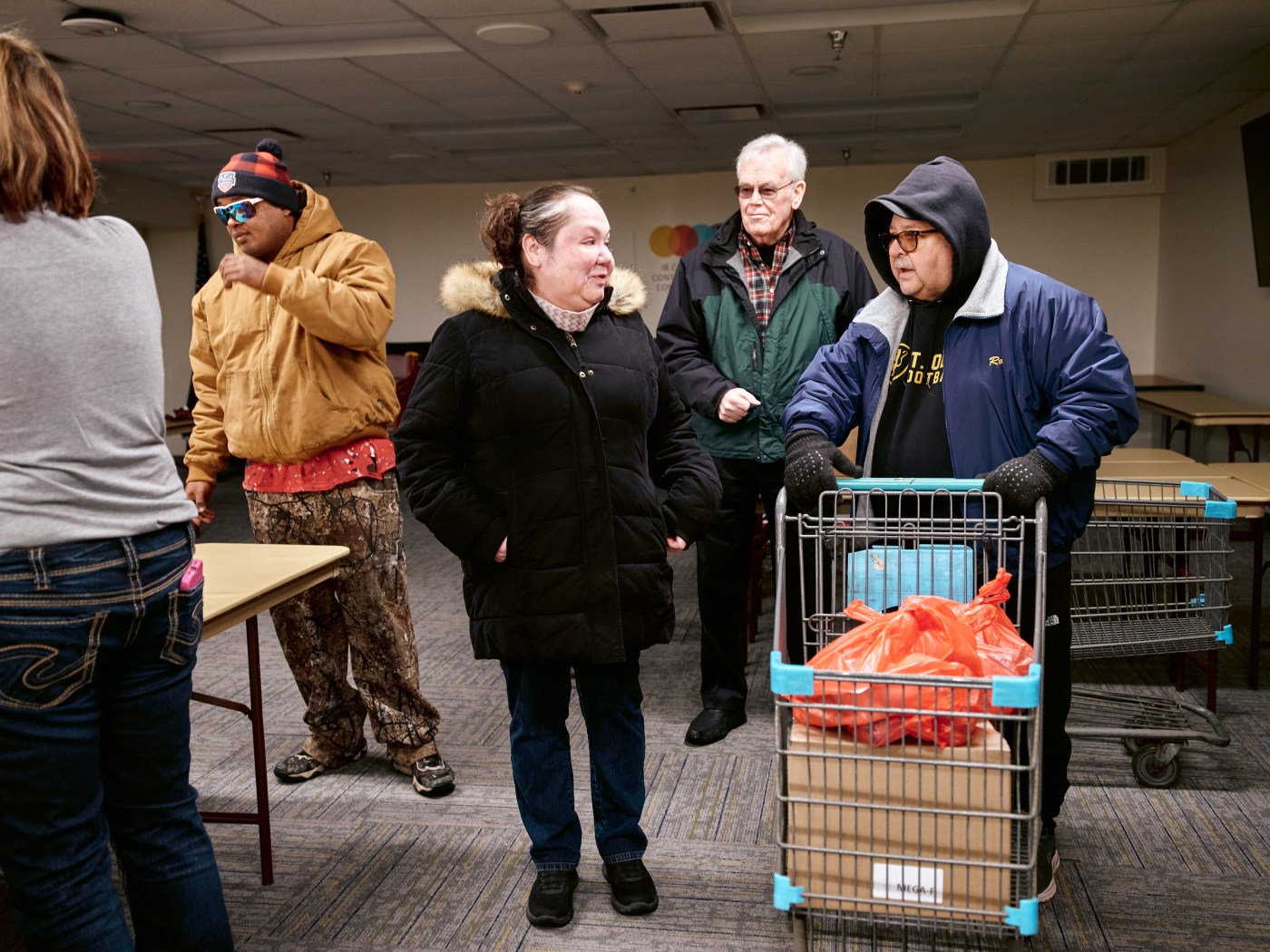
Fare For All, a nonprofit pop-up grocery store providing affordable food options, has announced it will cease operations in the metro area after February 2026. This decision was made by The Food Group, the organization behind the initiative, which serves various locations including St. Paul, Eagan, and White Bear Lake. The program will continue its work in nine sites across Greater Minnesota, focusing on areas with limited grocery access.
The Fare For All program, which began in 2002, has offered monthly grocery stops in the Twin Cities since 2008, providing fresh produce and frozen meat at discounts of up to 40 percent off retail prices. This service has been particularly vital as food prices have spiked in recent years. An email sent to Fare For All customers explained the shift, stating, “With food prices remaining high, we need to invest our resources in communities that lack grocery store access.”
The grocery market landscape has evolved considerably since Fare For All’s inception. The opening of discount chains such as Aldi in 2003 and the presence of membership stores like Sam’s Club and Costco have introduced more affordable options in the metro area. As a result, participation in Fare For All has decreased. According to Sophia Lenarz-Coy, executive director of The Food Group, “We’ve seen at several of our metro locations much less participation than a few years ago.”
Before the COVID-19 pandemic, the program served 53,317 households in 2018. In contrast, participation dropped to 34,343 households in 2025, marking a decrease of approximately 36 percent. Lenarz-Coy noted that the pandemic disrupted many services and that the organization has struggled to regain pre-COVID levels of participation in the metro area.
Food sourcing challenges have also emerged, as competition among retailers has increased. Lenarz-Coy explained, “Back in 2008, there were more ways we could find really good deals on things, especially frozen meat. Our sourcing team has to work harder and harder.” This reassessment of the program’s effectiveness led The Food Group to focus on rural areas where access to affordable groceries is crucial.
Reactions to the decision have varied significantly among Fare For All patrons. Some customers expressed their disappointment on social media, highlighting the program’s impact on their lives. Comments included sentiments such as, “I live on social security and this makes me very sad as it really helped me,” and, “Thank you for all you’ve done!” Others questioned the timing and reasoning behind the decision, arguing that urban communities still need the service.
The Food Group, which encompasses more than just Fare For All, collaborates with food shelves and community organizations across Minnesota to promote food justice and equity. Although the Fare For All program will cease operations in the metro, the Twin Cities Mobile Market will continue to serve urban neighborhoods, ensuring that affordable grocery options remain available.
In February, Fare For All will maintain its usual stops, including one at the West Seventh Community Center in St. Paul on February 13, 2026, from 10 a.m. to noon. After this date, the program will withdraw from metro locations in St. Paul, White Bear Lake, Eagan, and others, while continuing operations in nine sites throughout Greater Minnesota, including North Branch, Mankato, and St. Cloud.
The decision to focus on rural communities is aimed at enhancing equitable grocery access. According to Emily Eddy White, director of advancement and culture at The Food Group, while participation is slightly lower in rural areas compared to metro locations, the need for grocery access in these communities is the primary driver for continuing the program there.
For further details on the Fare For All program and its schedule, interested individuals can visit The Food Group’s official website. The organization remains committed to ensuring that food access is prioritized, especially as many communities continue to navigate challenging economic conditions.

Arthur Brooks Discusses Therapy’s Limits on Happiness in New Book

Longmont’s Rare Whiskey Auction to Fund Local Charities on Saturday

Santa Clara Establishes Free Speech Zones for Super Bowl LX

Chicago Commute Alert: Freezing Rain and Snow Expected Friday Morning

Mass Spectrometry Transforms Biotech: A New Era of Analysis

Microsoft’s Next Xbox Console May Launch in 2027, Says AMD

Avior Airlines Aims to Reestablish Direct Flights to Miami

NJ Man Convicted of Armed Attempted Rape, Faces 20 Years to Life

Researchers Revolutionize Insect Collection Digitization with AI

Researchers Launch $1.25M Project for Real-Time Hazard Monitoring in Hawaiʻi

Inventor Achieves Breakthrough with 2 Billion FPS Laser Video

Charlie Sheen’s New Romance: ‘Glowing’ with Younger Partner

Dua Lipa Aces GCSE Spanish, Sparks Super Bowl Buzz with Fans

UK Government Borrowing Hits £20.2 Billion in September Surge

Community Unites for 7th Annual Into the Light Walk for Mental Health

Mother Fights to Reunite with Children After Kidnapping in New Drama

Olivia Plath Opens Up About Her Marriage Struggles and Divorce

AI Gun Detection System Mistakes Doritos for Weapon, Sparks Outrage
-
 Science2 months ago
Researchers Launch $1.25M Project for Real-Time Hazard Monitoring in Hawaiʻi
-
 Science4 months ago
Inventor Achieves Breakthrough with 2 Billion FPS Laser Video
-
 Top Stories4 months ago
Charlie Sheen’s New Romance: ‘Glowing’ with Younger Partner
-
 Entertainment4 months ago
Dua Lipa Aces GCSE Spanish, Sparks Super Bowl Buzz with Fans
-
 World4 months ago
UK Government Borrowing Hits £20.2 Billion in September Surge
-
 Health4 months ago
Community Unites for 7th Annual Into the Light Walk for Mental Health
-
 Entertainment4 months ago
Mother Fights to Reunite with Children After Kidnapping in New Drama
-
 Entertainment4 months ago
Olivia Plath Opens Up About Her Marriage Struggles and Divorce
-
 Science3 months ago
AI Gun Detection System Mistakes Doritos for Weapon, Sparks Outrage
-

 World4 months ago
R&B Icon D’Angelo Dies at 51, Leaving Lasting Legacy
-

 Health4 months ago
YouTube Launches New Mental Health Tools for Teen Users
-

 Top Stories4 months ago
Former Mozilla CMO Launches AI-Driven Cannabis Cocktail Brand Fast