
World
UK Government Borrowing Hits £20.2 Billion in September Surge

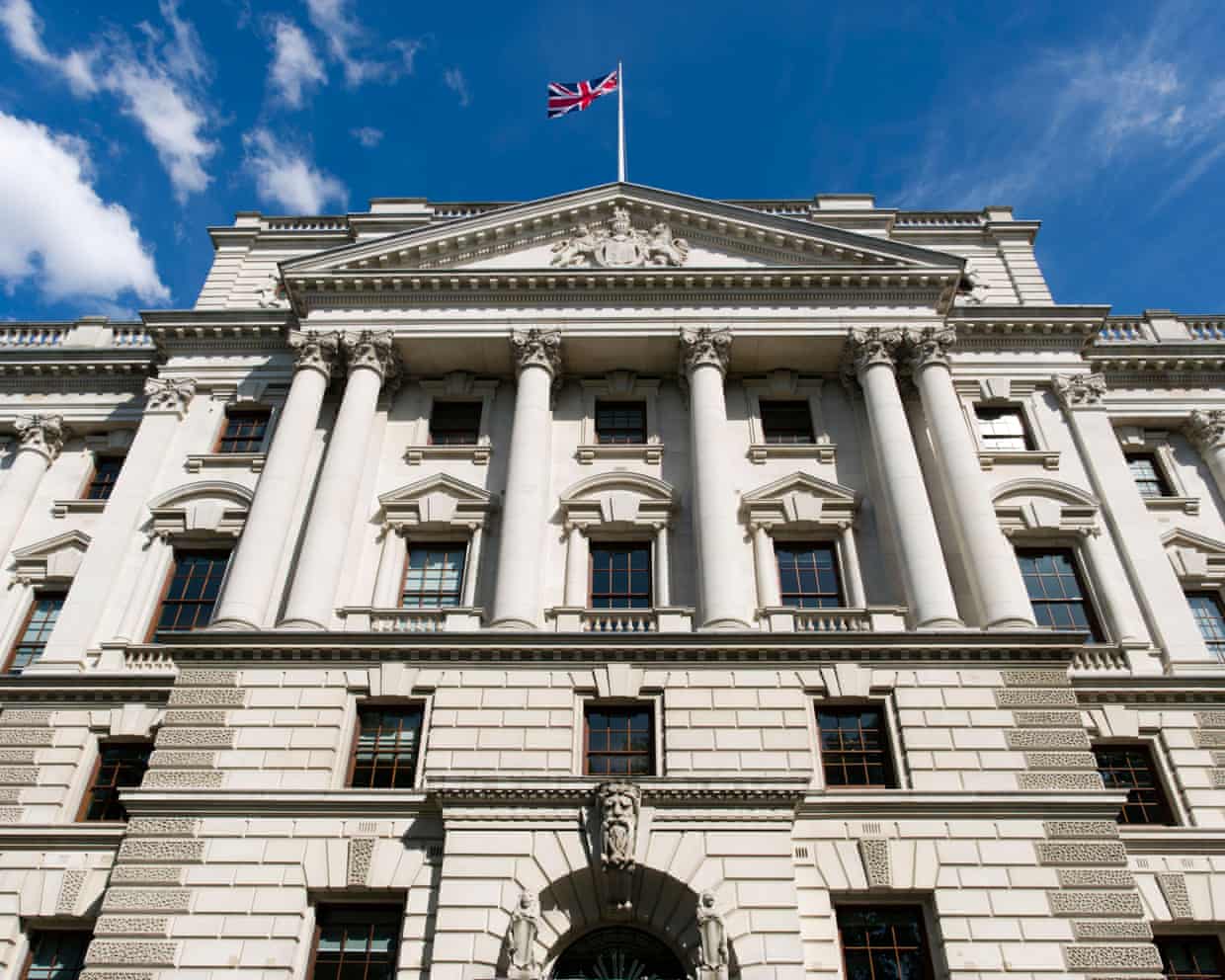
UK government borrowing reached a five-year high in September 2023, totaling £20.2 billion. This significant increase is attributed to rising debt interest costs and higher welfare payments, which have intensified the public finances’ deficit. According to figures from the Office for National Statistics (ONS), this borrowing figure reflects an increase of £1.6 billion compared to the same month last year, marking the highest September borrowing since 2020.
Despite a rise in tax receipts, which typically helps balance public finances, the ONS reported that it was insufficient to counter the surge in debt interest costs and welfare expenses largely driven by inflation. City economists surveyed by Reuters had anticipated borrowing to be around £20.8 billion for the month.
Impact on Fiscal Policy and Future Budgets
The latest figures indicate that total borrowing for the current financial year has reached £99.8 billion, which is £7.2 billion higher than projections made by the Office for Budget Responsibility in March 2023. This development presents a challenging environment for Chancellor Rachel Reeves, particularly as she prepares for her upcoming budget announcement on 26 November 2023.
While UK borrowing costs on international money markets have declined recently, reducing the financing burden on government debt, the interest payments remain at historically elevated levels. Current forecasts suggest that annual borrowing will exceed £100 billion this year, representing almost 10% of the annual budget. This situation imposes considerable constraints on spending for various departments within Whitehall.
Reeves is expected to confront a deficit ranging between £20 billion and £40 billion when she unveils the autumn budget. Alongside potential significant tax increases, she has hinted at plans to address the welfare bill. This comes as she navigates a challenging adjustment to the OBR’s productivity forecast, which has been downgraded.
Economic Growth and Future Outlook
In August, the UK economy recorded a growth rate of 0.1%, but a revision of growth figures for July has tempered optimism, showing only a 0.3% increase over the three months leading to the end of August. As the government prepares to address these financial pressures, the public awaits further details on the economic strategy and fiscal measures that will be proposed.
The pressures surrounding government finances are set to influence policy decisions significantly, impacting both public services and the broader economy as the country moves forward. Further developments are anticipated as the budget date approaches, highlighting the need for careful management of the UK’s fiscal resources.

Funko’s Price Target Increased to $4.00 as Analysts React

Humboldt Celebrates as ‘One Battle After Another’ Claims Best Picture

GSK Faces Backlash Over Asthma Inhaler Scrapping, Children Suffer

Adorable Sandhill Crane Colt Hugs Mom in The Villages

USA Unveils Star-Spangled Jerseys Ahead of March Friendlies

Newport Plans Colorful Lighting for Fourth Street Bridge

Sandia Scientists Honored for Innovative Career Journeys

Urgent: Charles M. Payment Passes Away at 78, Memorial Details Inside

NFL Free Agency: Key Moves and Player Signings in Week One

Researchers Launch $1.25M Project for Real-Time Hazard Monitoring in Hawaiʻi

Send It South Revives Culture and Community at The Momentary

UK Government Borrowing Hits £20.2 Billion in September Surge

Flipkart Republic Day Sale: iPhone 16 Plus Price Slashed by ₹23,900

Adecco SA Secures Mixed Ratings from Analysts Amid Earnings Update

Researchers Achieve Record 15.1 mA/cm² Hydrogen Production Efficiency

Globant Reveals Key Tech Forces Shaping Business in 2026

Inventor Achieves Breakthrough with 2 Billion FPS Laser Video

Dua Lipa Aces GCSE Spanish, Sparks Super Bowl Buzz with Fans
-
 Science8 months ago
Researchers Launch $1.25M Project for Real-Time Hazard Monitoring in Hawaiʻi
-
 Entertainment7 months ago
Send It South Revives Culture and Community at The Momentary
-
 Business6 months ago
Flipkart Republic Day Sale: iPhone 16 Plus Price Slashed by ₹23,900
-
 Sports7 months ago
Adecco SA Secures Mixed Ratings from Analysts Amid Earnings Update
-
 Top Stories5 months ago
Researchers Achieve Record 15.1 mA/cm² Hydrogen Production Efficiency
-
 Business8 months ago
Globant Reveals Key Tech Forces Shaping Business in 2026
-
 Science9 months ago
Inventor Achieves Breakthrough with 2 Billion FPS Laser Video
-
 Entertainment10 months ago
Dua Lipa Aces GCSE Spanish, Sparks Super Bowl Buzz with Fans
-

 Top Stories10 months ago
Charlie Sheen’s New Romance: ‘Glowing’ with Younger Partner
-

 Top Stories7 months ago
JSerra Names Hardy Nickerson as First Black Football Coach
-

 Health10 months ago
Community Unites for 7th Annual Into the Light Walk for Mental Health
-

 Entertainment10 months ago
Olivia Plath Opens Up About Her Marriage Struggles and Divorce