
Politics
Karoline Leavitt’s Controversial Image Sparks Debate on Femininity

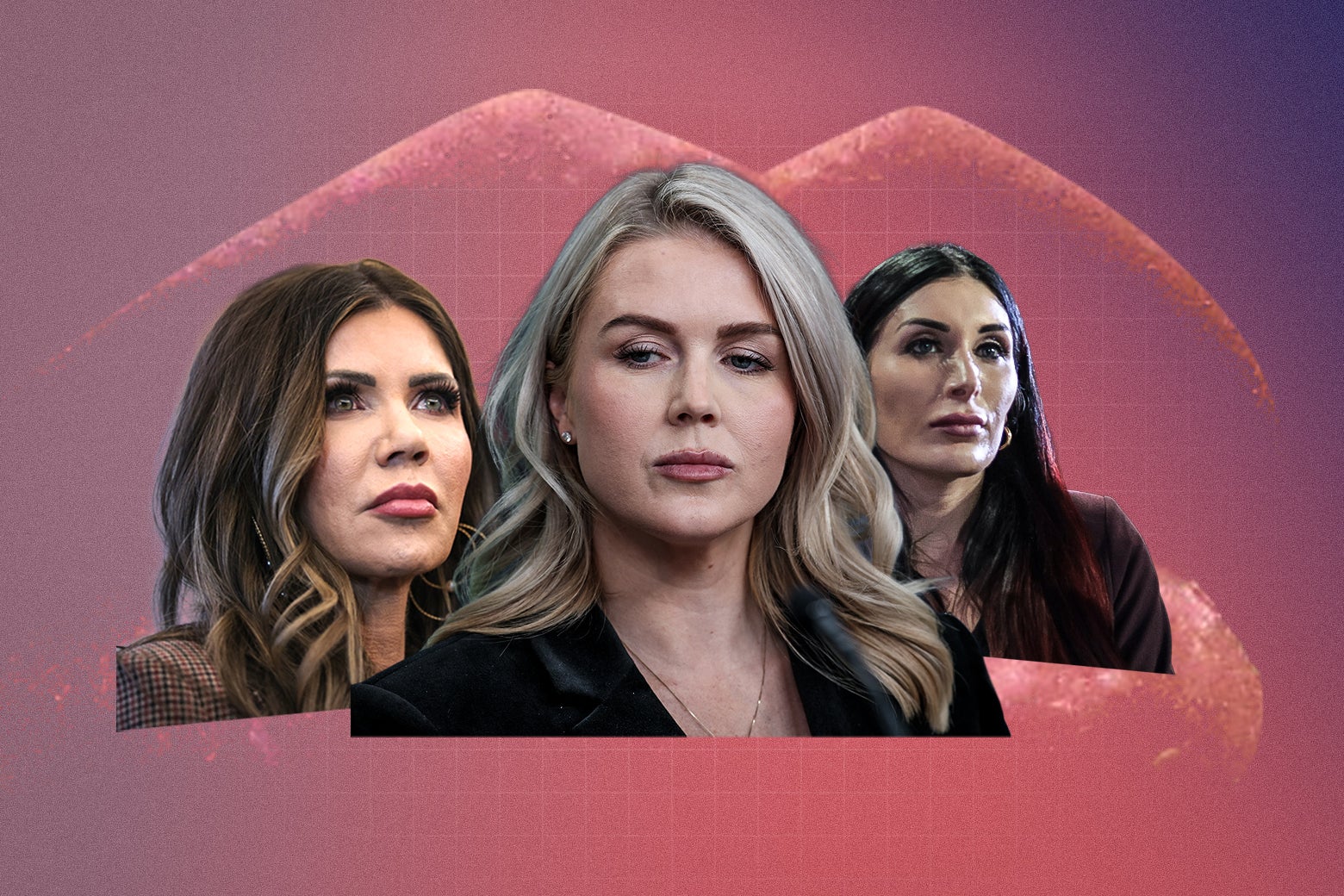
Karoline Leavitt, a prominent figure in the political landscape, has recently become the center of attention due to a striking photograph featured in Vanity Fair. Captured by Christopher Anderson, the image shows Leavitt with noticeable cosmetic enhancements, igniting discussions about the pressure on women in politics to conform to specific beauty standards. This incident highlights a troubling trend within conservative circles, where physical appearance is increasingly viewed as a reflection of political allegiance.
The photograph, which has gone viral, showcases Leavitt’s lips marked with injection punctures, raising questions about her recent cosmetic procedures. Kristy Hamilton, a board-certified plastic surgeon and social media chair of the American Society of Plastic Surgeons, described the visible puncture marks as indicative of a procedure done shortly before the photo was taken. Hamilton noted that such recent injections would typically lead to more swelling, making the image perplexing. “That does not look like someone who had lip filler the day prior,” she stated, suggesting that Leavitt’s appearance might not align with typical post-injection results.
Cosmetic Procedures and Political Identity
This phenomenon is not isolated to Leavitt; it reflects a broader trend among women in the conservative political sphere. Political scientist Caroline Heldman refers to this as an “aesthetics of capitulation,” where women like Leavitt, Kristi Noem, and Laura Loomer feel compelled to showcase their adherence to traditional femininity through cosmetic enhancements. The pressure to conform to these ideals is increasingly pronounced, as women navigate the intersection of politics and societal expectations around beauty.
Historically, conservative women commentators could maintain a more relaxed approach to their appearances. Today, however, the expectation appears to include not only a polished image but also significant physical alterations. The cultural shift has prompted discussions about the implications of these choices, particularly in a political landscape where bodily autonomy is under threat.
The recent emphasis on cosmetic work raises critical questions about the values being communicated through such aesthetic choices. “You are communicating to the world that you are not just capitulating but embracing these ideas of femininity that have very conservative roots,” Heldman noted, emphasizing the duality of these appearances as both a personal choice and a reflection of broader societal pressures.
The Economic and Cultural Implications
The rise in cosmetic procedures among conservative women also intersects with economic factors. Cosmetic surgery has become a status symbol, with discussions surrounding it often framed in terms of luxury. According to Hamilton, the demand for these procedures is influenced by group dynamics, particularly within conservative communities. The Utah Women and Leadership Project suggests that cultural norms within the Mormon church may drive this demand, linking beauty to social success and marriage prospects.
Interestingly, the trend is not limited to the right-wing political sphere. The normalization of cosmetic enhancements has permeated various segments of society, particularly following the widespread use of video conferencing during the COVID-19 pandemic. As more individuals become aware of their appearances through platforms like TikTok, the desire for cosmetic alterations has surged.
Heldman argues that the fixation on cosmetic procedures represents a more profound cultural backlash against evolving gender norms. The insistence on maintaining a traditional gender binary—often reinforced by political agendas—highlights the discomfort with changing societal views. “If gender were so simple and clearly defined, then you wouldn’t need to police it,” she remarked, pointing to the irony in the lengths individuals go to in order to conform to outdated standards.
The conversation surrounding Leavitt’s image is thus more than a commentary on beauty; it reflects a political landscape grappling with issues of identity, autonomy, and conformity. As the visual representation of a political ideology, Leavitt’s photograph serves as a stark reminder of the complexities inherent in navigating femininity and authority in contemporary politics. This dynamic continues to shape the discourse around women in leadership roles, often revealing the underlying tensions between personal expression and societal expectations.

Long Beach City College Names Arts Center After Jenni Rivera

Long Beach City College Honors Jenni Rivera with New Arts Center

Clippers Aim to End Slump Against Lakers After Fifth Loss

Laufey Enchants 21,000 Fans on “A Matter of Time” Tour

Vanguard Total International Stock ETF Declares $1.36 Dividend

Chicago Bulls Face Cavaliers Tonight: Live Stream Details Inside

Attendance Surge at Aurora Christkindlmarket Amid Weather Challenges

Samsung Galaxy Watch 8 Hits Amazon for Just $250—Limited Time Offer!

DOJ Releases Epstein Files, Trump Admin Responds Urgently

Inventor Achieves Breakthrough with 2 Billion FPS Laser Video

Community Unites for 7th Annual Into the Light Walk for Mental Health

Charlie Sheen’s New Romance: ‘Glowing’ with Younger Partner

Dua Lipa Aces GCSE Spanish, Sparks Super Bowl Buzz with Fans

Curium Group, PeptiDream, and PDRadiopharma Launch Key Cancer Trial

Former Mozilla CMO Launches AI-Driven Cannabis Cocktail Brand Fast

Mother Fights to Reunite with Children After Kidnapping in New Drama

R&B Icon D’Angelo Dies at 51, Leaving Lasting Legacy

Israel Reopens Rafah Crossing After Hostage Remains Returned
-
 Science2 months ago
Inventor Achieves Breakthrough with 2 Billion FPS Laser Video
-
 Health2 months ago
Community Unites for 7th Annual Into the Light Walk for Mental Health
-
 Top Stories2 months ago
Charlie Sheen’s New Romance: ‘Glowing’ with Younger Partner
-
 Entertainment2 months ago
Dua Lipa Aces GCSE Spanish, Sparks Super Bowl Buzz with Fans
-
 Health2 months ago
Curium Group, PeptiDream, and PDRadiopharma Launch Key Cancer Trial
-
 Top Stories2 months ago
Former Mozilla CMO Launches AI-Driven Cannabis Cocktail Brand Fast
-
 Entertainment2 months ago
Mother Fights to Reunite with Children After Kidnapping in New Drama
-
 World2 months ago
R&B Icon D’Angelo Dies at 51, Leaving Lasting Legacy
-
 World2 months ago
Israel Reopens Rafah Crossing After Hostage Remains Returned
-

 Business2 months ago
Tyler Technologies Set to Reveal Q3 Earnings on October 22
-

 Health2 months ago
YouTube Launches New Mental Health Tools for Teen Users
-

 Health2 months ago
North Carolina’s Biotech Boom: Billions in New Investments