
Politics
New Social Media Requirements Proposed for Visa-Free US Travelers

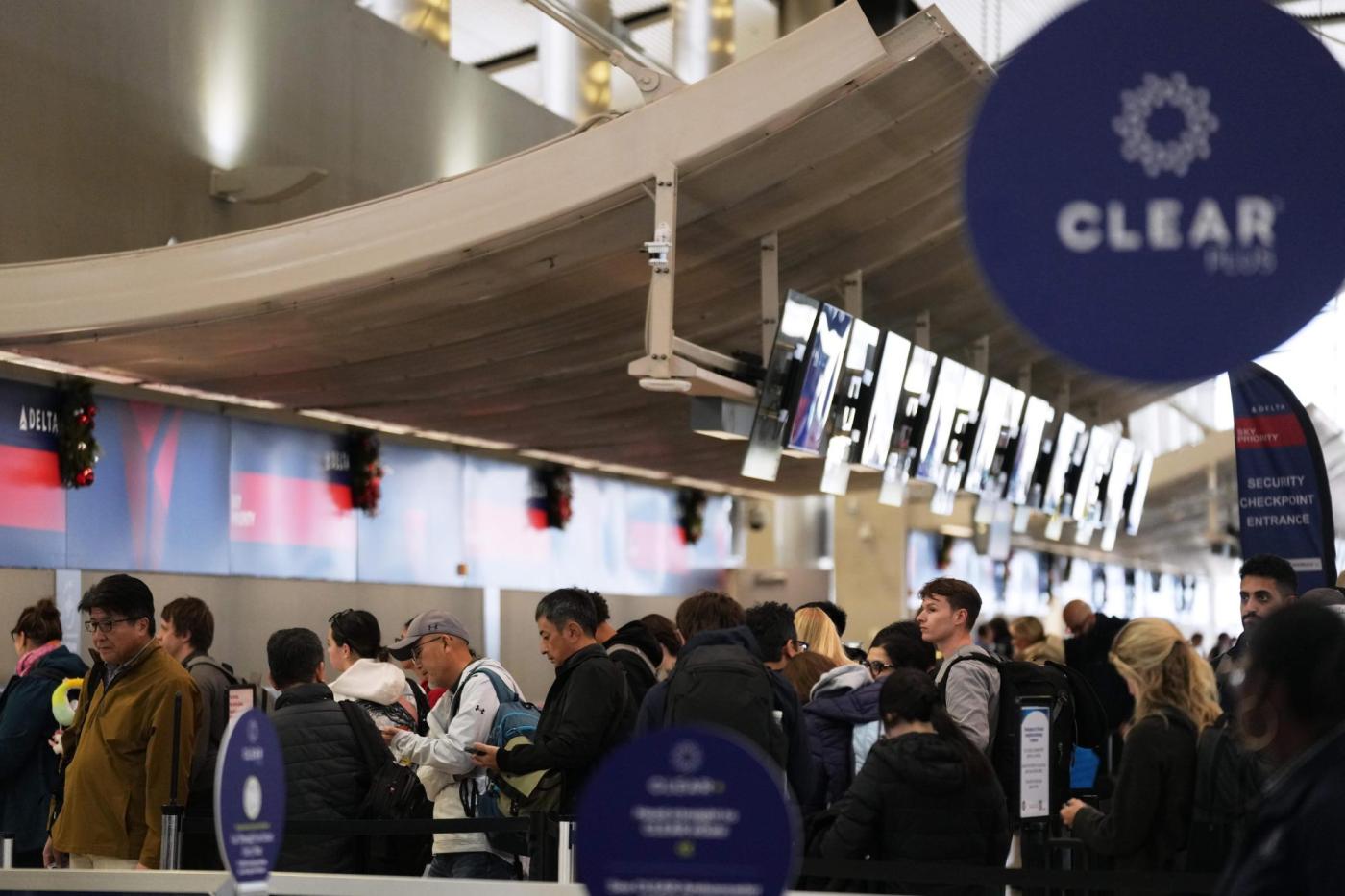
Foreign nationals traveling to the United States without a visa may soon need to disclose their social media accounts, email addresses, and detailed family backgrounds. This proposed requirement, announced by the Department of Homeland Security (DHS) on March 15, 2023, aims to enhance security protocols under the Visa Waiver Program.
The notice published in the Federal Register outlines that Customs and Border Protection (CBP) intends to collect up to five years of social media information from travelers from select countries exempt from visa requirements. This initiative is part of a broader effort by the Trump administration to intensify monitoring of incoming travelers and immigrants.
Details of the Proposed Changes
The proposed changes apply to travelers from over three dozen countries participating in the Visa Waiver Program. These individuals currently submit their information through the Electronic System for Travel Authorization (ESTA), which automatically processes their travel approvals without needing an embassy or consulate interview. Under the new proposal, travelers may be required to provide additional information, including:
– Telephone numbers used in the past five years
– Email addresses utilized over the last decade
– Metadata from electronically submitted photographs
– Comprehensive family details, such as places of birth and contact numbers
Currently, the ESTA application only requests basic information, such as parents’ names and a current email address. The public has 60 days to comment on these proposed changes before they are finalized.
CBP has not specified the criteria for reviewing social media accounts or the rationale behind requesting this additional information. The agency stated that these measures align with an executive order signed by President Donald Trump in January 2023, aimed at preventing potential national security threats from entering the country.
Concerns and Implications
It is important to note that travelers from countries not included in the Visa Waiver Program are already obligated to disclose their social media information. This policy originated during Trump’s first term and has persisted under the Biden administration.
In recent months, the Trump administration has intensified scrutiny of both immigrants and international travelers. Visa applicants must now set their social media accounts to public for easier examination. Failure to comply may lead to visa denials, according to guidelines from the State Department. Additionally, U.S. Citizenship and Immigration Services evaluates whether applicants for benefits, such as green cards, have endorsed views deemed anti-American, terrorist, or antisemitic.
These heightened measures have raised alarms among immigration and free speech advocates. Critics question the potential for targeting individuals who oppose the administration, posing risks to free speech rights. As discussions continue, the implications of these proposals remain to be seen, with many concerned about the balance between security and civil liberties.
In summary, as the U.S. government moves forward with these proposed social media screening measures, the focus will be on ensuring national security while addressing the concerns of advocacy groups regarding privacy and freedom of expression.

Major Renovations Completed at MSP’s Terminal 1 Ahead of Holidays

Foreign Travelers Face New U.S. Social Media Screening Rules

Alanis Morissette’s Cut Cameo in Just Friends Revealed by Director

Recognizing Symptoms: Distinguishing Between Flu and COVID-19

Funding Cuts Challenge Homeless Services in Northwest Ohio

New Social Media Requirements Proposed for Visa-Free US Travelers

Researchers Identify Key Protein Linked to Inflammatory Cell Death

Six Ohio Soccer Stars Achieve All-American Recognition

Fed Announces Rate Cut, Surprising Guidance Sparks Market Reaction

Inventor Achieves Breakthrough with 2 Billion FPS Laser Video

Community Unites for 7th Annual Into the Light Walk for Mental Health

Charlie Sheen’s New Romance: ‘Glowing’ with Younger Partner

Dua Lipa Aces GCSE Spanish, Sparks Super Bowl Buzz with Fans

Curium Group, PeptiDream, and PDRadiopharma Launch Key Cancer Trial

Former Mozilla CMO Launches AI-Driven Cannabis Cocktail Brand Fast

Mother Fights to Reunite with Children After Kidnapping in New Drama

R&B Icon D’Angelo Dies at 51, Leaving Lasting Legacy

Israel Reopens Rafah Crossing After Hostage Remains Returned
-
 Science2 months ago
Inventor Achieves Breakthrough with 2 Billion FPS Laser Video
-
 Health2 months ago
Community Unites for 7th Annual Into the Light Walk for Mental Health
-
 Top Stories2 months ago
Charlie Sheen’s New Romance: ‘Glowing’ with Younger Partner
-
 Entertainment2 months ago
Dua Lipa Aces GCSE Spanish, Sparks Super Bowl Buzz with Fans
-
 Health2 months ago
Curium Group, PeptiDream, and PDRadiopharma Launch Key Cancer Trial
-
 Top Stories2 months ago
Former Mozilla CMO Launches AI-Driven Cannabis Cocktail Brand Fast
-
 Entertainment2 months ago
Mother Fights to Reunite with Children After Kidnapping in New Drama
-
 World2 months ago
R&B Icon D’Angelo Dies at 51, Leaving Lasting Legacy
-
 World2 months ago
Israel Reopens Rafah Crossing After Hostage Remains Returned
-

 Business2 months ago
Tyler Technologies Set to Reveal Q3 Earnings on October 22
-

 Health2 months ago
YouTube Launches New Mental Health Tools for Teen Users
-

 Health2 months ago
North Carolina’s Biotech Boom: Billions in New Investments