
Politics
U.S. Proposes New Social Media Disclosure for Visa Waiver Travelers

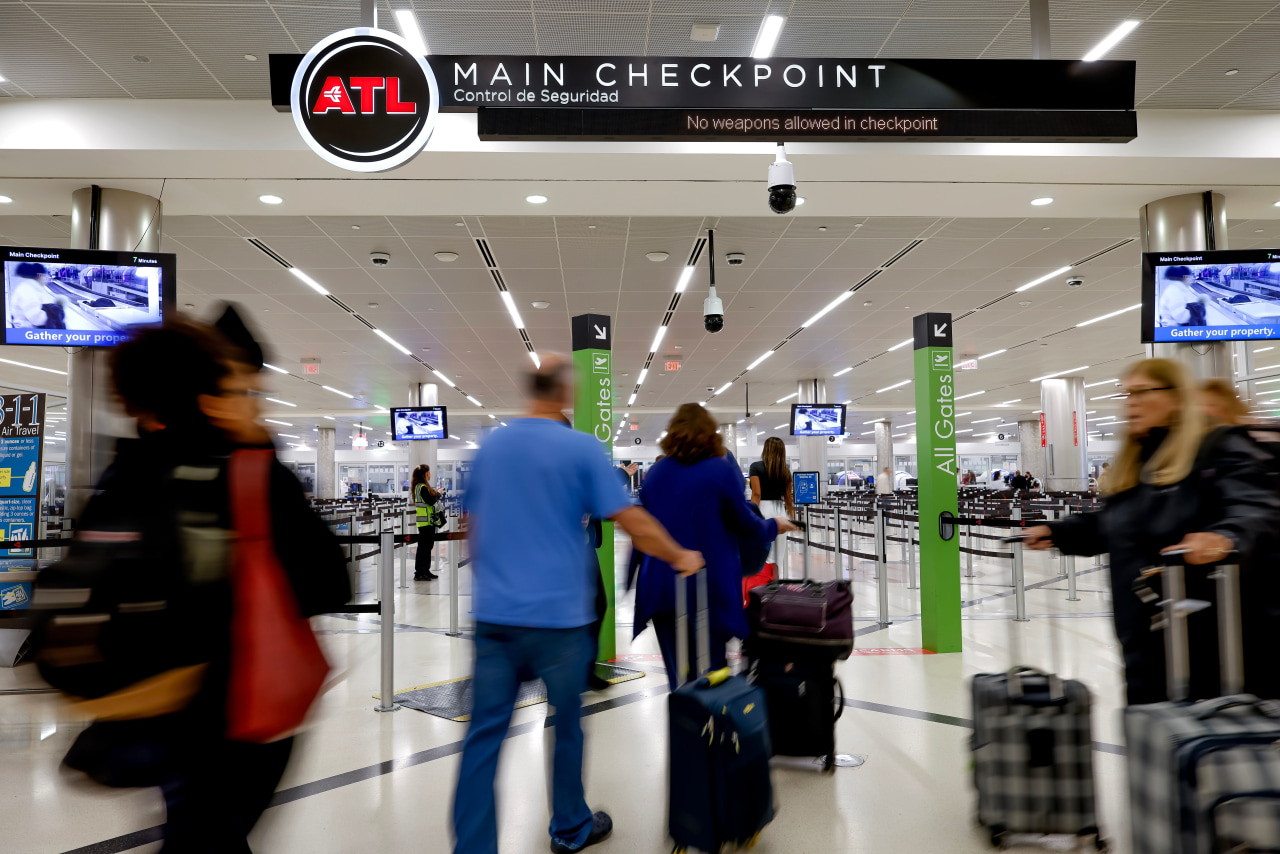
Travelers from the United Kingdom, France, Japan, and several other countries participating in the Visa Waiver Program may soon be required to disclose five years of their social media history to enter the United States. This proposed regulation aims to enhance national security by allowing U.S. officials to assess potential risks associated with visitors from these nations.
The U.S. Department of Homeland Security has outlined this initiative as part of broader efforts to improve safety and security at its borders. Currently, citizens from participating countries can travel to the U.S. for short stays without applying for a visa. If implemented, this new requirement could significantly alter the travel experience for millions of visitors each year.
Details of the Proposed Regulation
Under this proposal, travelers would need to provide usernames and account information for various social media platforms. This information would cover a range of platforms, including popular sites such as Facebook, Twitter, and Instagram. The goal is to give authorities a clearer picture of an individual’s online presence, which is seen as increasingly relevant in assessing security threats.
If enacted, this regulation would affect citizens from countries traditionally seen as low-risk for visa requirements. The Visa Waiver Program currently allows over 40 countries to send tourists and business travelers to the U.S. for up to 90 days without a visa. The inclusion of social media history in the application process is viewed as a significant shift in policy.
Implications for Travelers
Travel experts are expressing concerns about the potential impact on international travel. Many travelers value their privacy and may perceive this requirement as intrusive. The decision to collect social media information raises questions about data security and how this sensitive information will be used and stored by U.S. authorities.
Jane Smith, an international travel consultant, remarked, “This could deter many travelers who may feel uncomfortable sharing such personal information. It’s essential that travelers understand how this data will be managed.”
The proposal is still in its early stages and is subject to public comment and review. If it proceeds, travelers could see this requirement implemented as early as 2024. Stakeholders from various sectors, including tourism and technology, are expected to lobby for clearer guidelines on data usage and privacy protections.
As discussions continue, the travel industry is closely monitoring the situation. With the potential for increased scrutiny on social media usage, the dynamics of international travel may shift significantly in the coming years.

Alabama Thoroughbred Owners Urge Revival of Racing After 30 Years

San Francisco Woman Delivers Baby in Waymo Self-Driving Taxi

Elon Musk Admits DOGE Efforts Were ‘Somewhat Successful’

Elon Musk Reflects on DOGE Agency’s Limited Success in New Interview

Republicans Unveil Three Health Care Proposals Amid Subsidy Concerns

UNESCO Honors Compas: Haiti’s Vibrant Musical Heritage Recognized

U.S. Proposes New Social Media Disclosure for Visa Waiver Travelers

Experience the Geminid Meteor Shower Peaking This Weekend

Duane Kuiper Misses Out on Ford C. Frick Award Again at MLB Winter Meetings

Inventor Achieves Breakthrough with 2 Billion FPS Laser Video

Community Unites for 7th Annual Into the Light Walk for Mental Health

Charlie Sheen’s New Romance: ‘Glowing’ with Younger Partner

Dua Lipa Aces GCSE Spanish, Sparks Super Bowl Buzz with Fans

Curium Group, PeptiDream, and PDRadiopharma Launch Key Cancer Trial

Former Mozilla CMO Launches AI-Driven Cannabis Cocktail Brand Fast

Mother Fights to Reunite with Children After Kidnapping in New Drama

R&B Icon D’Angelo Dies at 51, Leaving Lasting Legacy

Israel Reopens Rafah Crossing After Hostage Remains Returned
-
 Science2 months ago
Inventor Achieves Breakthrough with 2 Billion FPS Laser Video
-
 Health2 months ago
Community Unites for 7th Annual Into the Light Walk for Mental Health
-
 Top Stories2 months ago
Charlie Sheen’s New Romance: ‘Glowing’ with Younger Partner
-
 Entertainment2 months ago
Dua Lipa Aces GCSE Spanish, Sparks Super Bowl Buzz with Fans
-
 Health2 months ago
Curium Group, PeptiDream, and PDRadiopharma Launch Key Cancer Trial
-
 Top Stories2 months ago
Former Mozilla CMO Launches AI-Driven Cannabis Cocktail Brand Fast
-
 Entertainment2 months ago
Mother Fights to Reunite with Children After Kidnapping in New Drama
-
 World2 months ago
R&B Icon D’Angelo Dies at 51, Leaving Lasting Legacy
-
 World2 months ago
Israel Reopens Rafah Crossing After Hostage Remains Returned
-

 Business2 months ago
Tyler Technologies Set to Reveal Q3 Earnings on October 22
-

 Health2 months ago
YouTube Launches New Mental Health Tools for Teen Users
-

 Health2 months ago
North Carolina’s Biotech Boom: Billions in New Investments