
Science
Experience the Geminid Meteor Shower Peaking This Weekend

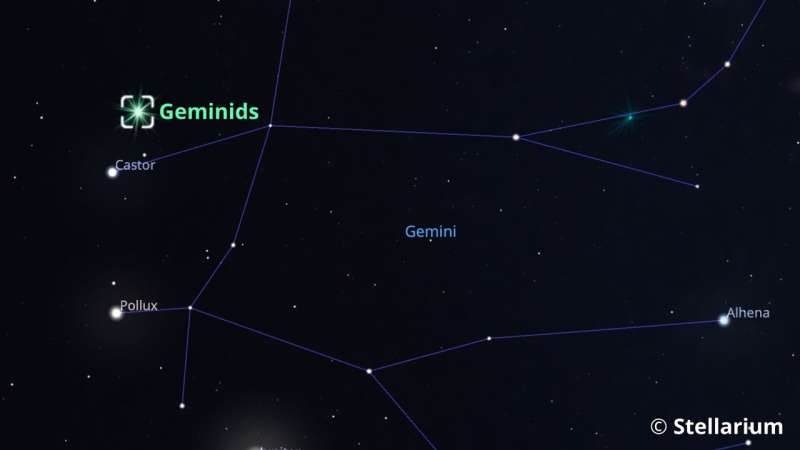
The Geminid meteor shower, one of the most anticipated celestial events of the year, is set to peak this weekend, offering skywatchers the opportunity to witness up to 100 meteors per hour under ideal conditions. From now until December 20, 2025, stargazers can catch a glimpse of this stunning display, with the most intense activity occurring overnight from December 13 to 14.
What to Expect from the Geminids
Unlike many meteor showers that originate from comets, the Geminids are unique as they stem from the debris of an object known as 3200 Phaethon, which resembles an asteroid. This annual event has been captivating observers since it was first noted in 1862, and it continues to intensify in intensity each year.
Dr. Robert Massey, Deputy Executive Director at the Royal Astronomical Society, emphasizes the simplicity of enjoying this natural spectacle. In a recent video on how to effectively view the Geminids, he advises, “The great thing about a meteor shower, including the Geminids, is that the naked eye is the best way to see them.” He suggests finding a dark location away from city lights to maximize visibility. “You want to be lying down, looking up at the broad panorama of stars,” he added.
Observers can expect to see a “short streak of light that generally lasts maybe half a second or so.” This phenomenon occurs as the meteors enter Earth’s atmosphere at speeds of approximately 130,000 kilometers per hour, igniting a bright glow due to friction with the air. Dr. Massey notes, “You can expect to see perhaps up to 100 meteors an hour, so that might be one or two a minute.” This makes the Geminids one of the strongest meteor showers of the year.
Viewing Tips and Expectations
For optimal viewing, Dr. Massey recommends selecting a location with minimal light pollution. “The best view is if you’re away from sources of light pollution,” he states, adding that a clear sky is essential. Cloud cover could hinder visibility during the peak nights, but the shower will still be active until December 20, albeit at a lesser frequency.
The Geminids are not only notable for their frequency but also for their distinct greenish hue when they burn up in the atmosphere. This unique coloration results from their chemical composition, primarily consisting of oxygen, magnesium, and nickel. In contrast to the typically colorless or white meteors from other showers, the vibrant colors of the Geminids add to their allure.
As Earth passes through the debris trail left by 3200 Phaethon, the surge in meteor activity creates the Geminid shower. While around six sporadic meteors can be observed on a typical night, the concentrated streams during this event significantly increase the frequency of visible meteors.
The meteors appear to radiate from a specific point in the constellation of Gemini, which is how the shower gets its name. They are generally slower moving and can display vivid colors, making them a favorite among both amateur and seasoned astronomers.
Whether you are a seasoned observer or a casual stargazer, the Geminid meteor shower promises an enchanting experience. As the peak draws near, prepare to look up and enjoy one of nature’s most breathtaking displays.

Alabama Thoroughbred Owners Urge Revival of Racing After 30 Years

San Francisco Woman Delivers Baby in Waymo Self-Driving Taxi

Elon Musk Admits DOGE Efforts Were ‘Somewhat Successful’

Elon Musk Reflects on DOGE Agency’s Limited Success in New Interview

Republicans Unveil Three Health Care Proposals Amid Subsidy Concerns

UNESCO Honors Compas: Haiti’s Vibrant Musical Heritage Recognized

U.S. Proposes New Social Media Disclosure for Visa Waiver Travelers

Experience the Geminid Meteor Shower Peaking This Weekend

Duane Kuiper Misses Out on Ford C. Frick Award Again at MLB Winter Meetings

Inventor Achieves Breakthrough with 2 Billion FPS Laser Video

Community Unites for 7th Annual Into the Light Walk for Mental Health

Charlie Sheen’s New Romance: ‘Glowing’ with Younger Partner

Dua Lipa Aces GCSE Spanish, Sparks Super Bowl Buzz with Fans

Curium Group, PeptiDream, and PDRadiopharma Launch Key Cancer Trial

Former Mozilla CMO Launches AI-Driven Cannabis Cocktail Brand Fast

Mother Fights to Reunite with Children After Kidnapping in New Drama

R&B Icon D’Angelo Dies at 51, Leaving Lasting Legacy

Israel Reopens Rafah Crossing After Hostage Remains Returned
-
 Science2 months ago
Inventor Achieves Breakthrough with 2 Billion FPS Laser Video
-
 Health2 months ago
Community Unites for 7th Annual Into the Light Walk for Mental Health
-
 Top Stories2 months ago
Charlie Sheen’s New Romance: ‘Glowing’ with Younger Partner
-
 Entertainment2 months ago
Dua Lipa Aces GCSE Spanish, Sparks Super Bowl Buzz with Fans
-
 Health2 months ago
Curium Group, PeptiDream, and PDRadiopharma Launch Key Cancer Trial
-
 Top Stories2 months ago
Former Mozilla CMO Launches AI-Driven Cannabis Cocktail Brand Fast
-
 Entertainment2 months ago
Mother Fights to Reunite with Children After Kidnapping in New Drama
-
 World2 months ago
R&B Icon D’Angelo Dies at 51, Leaving Lasting Legacy
-
 World2 months ago
Israel Reopens Rafah Crossing After Hostage Remains Returned
-

 Business2 months ago
Tyler Technologies Set to Reveal Q3 Earnings on October 22
-

 Health2 months ago
North Carolina’s Biotech Boom: Billions in New Investments
-

 Health2 months ago
YouTube Launches New Mental Health Tools for Teen Users