
Top Stories
BoJ Hikes Rates to 0.75%, Markets React to Ueda’s Guidance

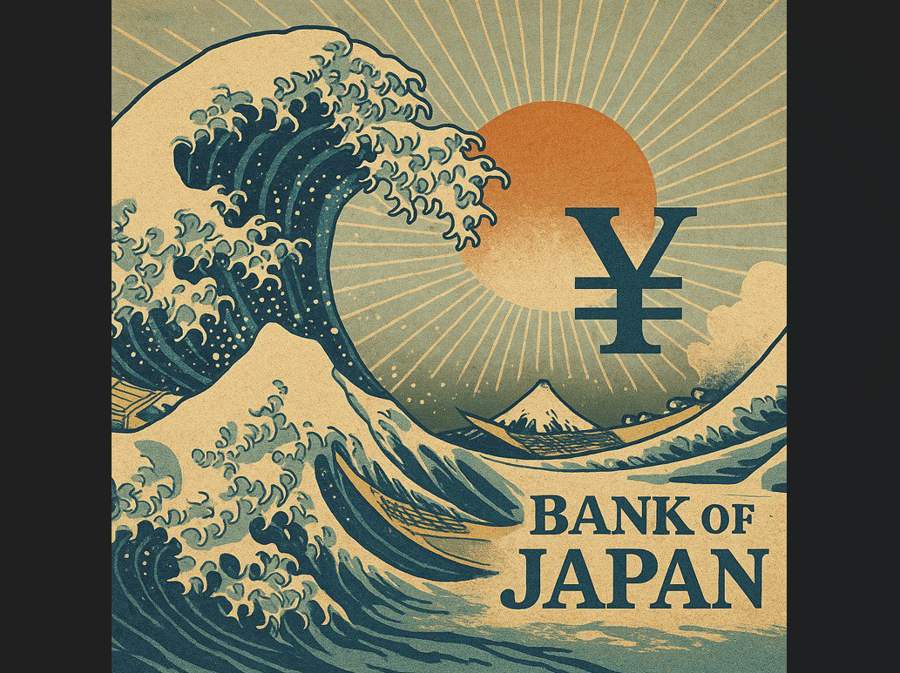
UPDATE: The Bank of Japan (BoJ) has just announced a significant increase in its short-term policy rate to 0.75%, marking the highest level in three decades. This 25 basis point hike, approved unanimously, is a pivotal step in Japan’s gradual exit from ultra-loose monetary policy, sending ripples through the financial markets and heightening attention on Governor Kazuo Ueda.
The move, which comes on October 29, 2023, was largely anticipated and had been factored into market expectations prior to the decision. However, market volatility surged as traders reacted to Ueda’s ensuing press conference, focusing on the potential for further tightening. Analysts warn that the rate increase alone may not be sufficient to create lasting movements in currency or interest rates without clearer guidance from the central bank.
Initial reactions saw the yen strengthen slightly after the announcement but quickly reversed those gains. This rapid shift has been attributed to thin liquidity conditions rather than fundamental changes. Market participants are now closely monitoring Ueda’s comments regarding future policy directions, as many believe a durable recovery in the yen hinges on more assertive BoJ signals, consistent fiscal discipline, and a favorable external environment, particularly a softer U.S. dollar.
Investors are cautious, with some analysts suggesting that the BoJ will continue its gradual approach to policy normalization, given Japan’s historical reliance on near-zero rates and the economy’s vulnerability to rising borrowing costs. This perspective indicates that the central bank may provide ample notice of future changes to mitigate disruptive market reactions.
In the credit markets, there are indications that Japanese corporations may turn increasingly to offshore U.S. dollar markets for funding, potentially boosting issuance volumes. However, experts caution that any strain on credit spreads could be counterbalanced by robust economic growth and strong corporate balance sheets, alongside sustained demand for Japanese credit.
While many strategists believe that the impact on Japanese government bonds (JGB) will be minimal, as supply-and-demand dynamics will likely overshadow macro policy shifts, the outlook for the yen remains uncertain. Some analysts foresee a potential resurgence of yen weakness as carry trades gain traction. Conversely, others suggest that easing by the Federal Reserve and increased hedging ratios from Japanese investors could lend support to the currency over time.
As the market digests these developments, attention is now firmly fixed on Ueda’s forthcoming statements regarding the BoJ’s cautious path into 2026 and beyond. Investors and traders alike are eager for clarity on the central bank’s intentions, which could significantly influence market dynamics in the days and weeks ahead.
Stay tuned for further updates as this story develops.

Urgent Update: Brown University Shooting Suspect Found Dead

Mount Rainier Loses Height: Urgent Climate Change Alert

Urgent: Suspected Brown University Shooter Linked to MIT Professor Murder

Another Cast Member Exits “Amazing Saturday” Amid Controversy

Protect Your Home: Drip Faucets to Avoid Frozen Pipes This Winter

Congressman Calls for Inquiry into CNN and Kalshi Partnership

NASA Honors Stunning Image of France in Science Calendar

Sharks Fall to Stars as Goalie’s Mistake Costs Key Goal

NSW Premier Seeks Extraordinary Powers to Ban Protests After Attack

Inventor Achieves Breakthrough with 2 Billion FPS Laser Video

Community Unites for 7th Annual Into the Light Walk for Mental Health

Charlie Sheen’s New Romance: ‘Glowing’ with Younger Partner

Dua Lipa Aces GCSE Spanish, Sparks Super Bowl Buzz with Fans

Curium Group, PeptiDream, and PDRadiopharma Launch Key Cancer Trial

Former Mozilla CMO Launches AI-Driven Cannabis Cocktail Brand Fast

Mother Fights to Reunite with Children After Kidnapping in New Drama

R&B Icon D’Angelo Dies at 51, Leaving Lasting Legacy

Israel Reopens Rafah Crossing After Hostage Remains Returned
-
 Science2 months ago
Inventor Achieves Breakthrough with 2 Billion FPS Laser Video
-
 Health2 months ago
Community Unites for 7th Annual Into the Light Walk for Mental Health
-
 Top Stories2 months ago
Charlie Sheen’s New Romance: ‘Glowing’ with Younger Partner
-
 Entertainment2 months ago
Dua Lipa Aces GCSE Spanish, Sparks Super Bowl Buzz with Fans
-
 Health2 months ago
Curium Group, PeptiDream, and PDRadiopharma Launch Key Cancer Trial
-
 Top Stories2 months ago
Former Mozilla CMO Launches AI-Driven Cannabis Cocktail Brand Fast
-
 Entertainment2 months ago
Mother Fights to Reunite with Children After Kidnapping in New Drama
-
 World2 months ago
R&B Icon D’Angelo Dies at 51, Leaving Lasting Legacy
-
 World2 months ago
Israel Reopens Rafah Crossing After Hostage Remains Returned
-

 Health2 months ago
YouTube Launches New Mental Health Tools for Teen Users
-

 Business2 months ago
Tyler Technologies Set to Reveal Q3 Earnings on October 22
-

 Entertainment2 months ago
Red Sox’s Bregman to Become Free Agent; Tigers Commit to Skubal