
World
Addressing Racism: The Ongoing Need for Safe Spaces

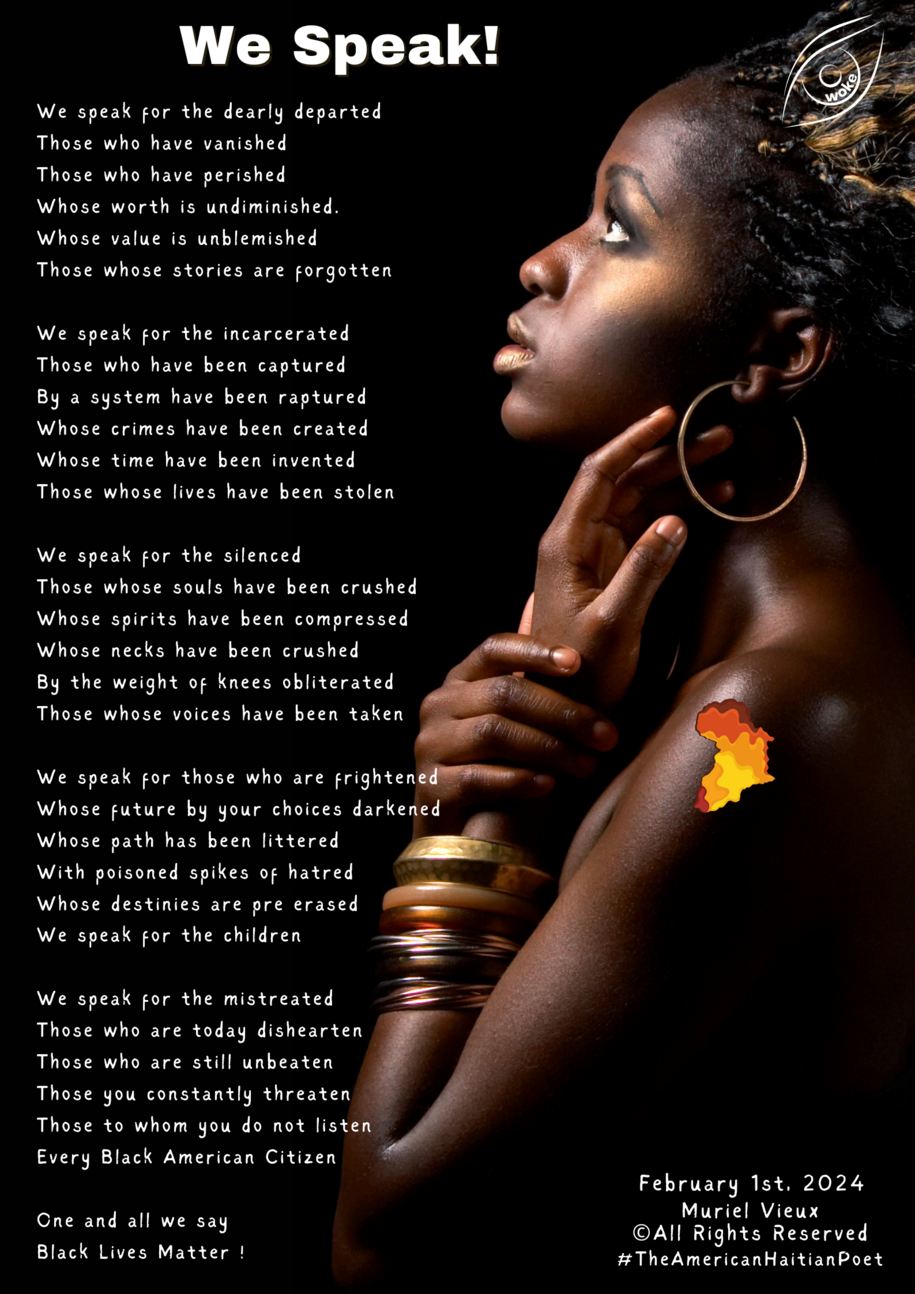
The conversation around racism remains pressing as communities seek safe spaces to discuss their experiences. A recent reflection by poet and activist Muriel Vieux highlights the complexities of being Black in the United States, shedding light on the necessity for spaces free from the presence of white individuals, even in online forums. This need is often misunderstood as exclusion, but it stems from a deeper understanding of the trauma experienced daily.
In her poignant commentary, Vieux compares the experience of being Black in America to living with an abusive partner, where the unpredictability of interactions can lead to emotional distress. This analogy emphasizes the constant state of alertness many Black individuals feel, particularly when it comes to encounters with law enforcement. Many parents are compelled to have “the talk” with their children, teaching them how to navigate these interactions safely, which starkly contrasts with the lack of similar conversations among white families. This disparity underscores the systemic issues that continue to permeate society, affecting the mental and emotional well-being of Black families.
The trauma Vieux describes is not merely anecdotal; it reflects pervasive societal attitudes that manifest in various forms. For instance, discussions about the discomfort experienced by white children when learning about slavery highlight a significant disconnect. Vieux argues that the real discomfort arises from explaining to a child why their behavior might be perceived differently based on their race. Such conversations reveal the complexities of racism that extend beyond overt acts, penetrating everyday interactions in stores, schools, and public spaces.
Racism persists for a multitude of reasons. Vieux points out that societal narratives often frame Black individuals in a negative light, contributing to stereotypes that affect perceptions of crime, safety, and justice. The idea that “Black on Black crime” is a legitimate discussion topic while white individuals are often viewed as innocent until proven guilty illustrates the disparities in how different races are treated under the law. This selective application of justice has real consequences, particularly for Black individuals who face systemic discrimination in various aspects of life, from housing to education.
Moreover, Vieux emphasizes the need for white individuals to acknowledge their privilege. The assertion that racism has diminished since the 1980s is a misunderstanding of the ongoing struggles faced by Black communities. Just because these issues do not affect everyone equally does not mean they have disappeared. The expectation that marginalized voices should remain silent to accommodate the comfort of others is a recurring theme in discussions about race.
Vieux’s reflections resonate with many who share similar experiences of frustration and anger toward systemic racism. The issues she raises, from underfunded schools to the devaluation of Black-owned homes, illustrate the persistent inequities that are often ignored. Such realities challenge the notion that racism is a relic of the past rather than a contemporary issue requiring urgent attention.
As conversations about race continue to unfold, Vieux’s perspective invites a deeper examination of these themes. Understanding the trauma and challenges faced by Black individuals is essential not just for fostering dialogue but also for creating a more equitable society. Addressing these issues requires a collective effort to acknowledge the systemic nature of racism and to actively work toward dismantling these structures.
In her personal appeal, Vieux highlights the economic pressures many face, underscoring that financial struggles are intertwined with broader societal issues. She seeks assistance for her own challenges, illustrating the human impact of these systemic problems. This call for support serves as a reminder that behind the statistics and discussions are real people facing daily hardships.
Through her powerful words, Muriel Vieux continues to advocate for recognition and change. Her insights serve as a crucial reminder of the work that remains to be done in addressing racism and its far-reaching effects within society.

Willow Smith Stuns in Swimwear Look, Fans Go Wild on Instagram

Sprouts Launches THC Drinks Amid Federal Ban Threat

Urgent Meeting Sparks Debate Over Impact Fees in Palatka

Senate Republicans Block Resolution to Condemn Trump on Venezuela

Innovative Simulator Enhances Training for Endoscopic Cancer Surgery

Real Madrid’s Arbeloa Faces Criticism After Copa Loss to Albacete

Noah Wyle Mockingly Critiques RFK Jr. in Hilarious PSA

Imagine Lithium Shares Plummet 14.3% Amid Market Activity

Niina Petrokina Dominates Short Program, Eyes European Title Defense

Inventor Achieves Breakthrough with 2 Billion FPS Laser Video

Community Unites for 7th Annual Into the Light Walk for Mental Health

Charlie Sheen’s New Romance: ‘Glowing’ with Younger Partner

Dua Lipa Aces GCSE Spanish, Sparks Super Bowl Buzz with Fans

Mother Fights to Reunite with Children After Kidnapping in New Drama

Researchers Launch $1.25M Project for Real-Time Hazard Monitoring in Hawaiʻi

Former Mozilla CMO Launches AI-Driven Cannabis Cocktail Brand Fast

R&B Icon D’Angelo Dies at 51, Leaving Lasting Legacy

Curium Group, PeptiDream, and PDRadiopharma Launch Key Cancer Trial
-
 Science3 months ago
Inventor Achieves Breakthrough with 2 Billion FPS Laser Video
-
 Health3 months ago
Community Unites for 7th Annual Into the Light Walk for Mental Health
-
 Top Stories3 months ago
Charlie Sheen’s New Romance: ‘Glowing’ with Younger Partner
-
 Entertainment3 months ago
Dua Lipa Aces GCSE Spanish, Sparks Super Bowl Buzz with Fans
-
 Entertainment3 months ago
Mother Fights to Reunite with Children After Kidnapping in New Drama
-
 Science1 month ago
Researchers Launch $1.25M Project for Real-Time Hazard Monitoring in Hawaiʻi
-
 Top Stories3 months ago
Former Mozilla CMO Launches AI-Driven Cannabis Cocktail Brand Fast
-
 World3 months ago
R&B Icon D’Angelo Dies at 51, Leaving Lasting Legacy
-
 Health3 months ago
Curium Group, PeptiDream, and PDRadiopharma Launch Key Cancer Trial
-

 Science3 months ago
AI Gun Detection System Mistakes Doritos for Weapon, Sparks Outrage
-

 Health3 months ago
Parenting Pitfalls: 16 Small Mistakes with Long-Term Effects
-
 Entertainment3 months ago
Olivia Plath Opens Up About Her Marriage Struggles and Divorce