
World
Analysts Warn of Escalating Tensions in Lebanon Following Pope’s Visit

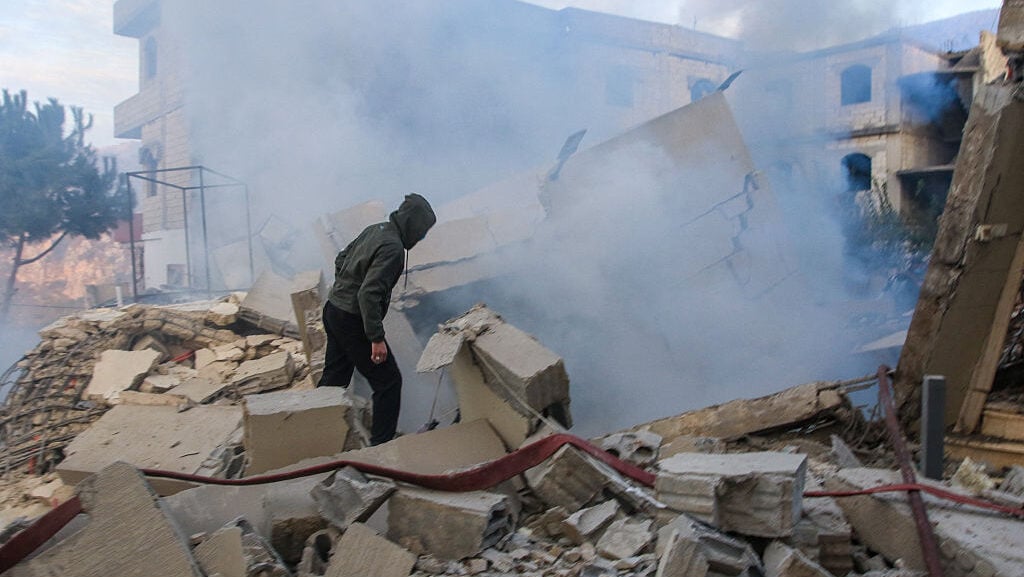
In the aftermath of a significant visit by Pope Francis and renewed dialogue between Israel and Lebanon, analysts express concern over the potential for escalating tensions in the region. Despite the diplomatic gestures, experts suggest that Israel is likely to intensify military operations against Hezbollah if the Lebanese government fails to act decisively against the militant group.
The Pope’s visit to Lebanon aimed to promote peace and stability, coinciding with historic discussions between Lebanese and Israeli officials. However, Paul Salem, a senior fellow at the Middle East Institute, highlighted a prevailing sense of unease. He stated, “I definitely think there’s a rising concern of any conflict escalation. It’s one way. It’s Israel escalating more in Lebanon,” underscoring that while Lebanon is taking steps to disarm Hezbollah, the process is far from complete.
Since the US-brokered ceasefire agreement over a year ago, which stipulated that Israel would withdraw from Lebanese territory and the Lebanese government would prevent Hezbollah from conducting operations against Israel, tensions have persisted. Israeli forces have remained in parts of Lebanon, and Hezbollah has not fully disarmed, leading to ongoing Israeli strikes on suspected Hezbollah targets, including in Beirut.
Israeli Prime Minister Benjamin Netanyahu reiterated his government’s position in early November, stating, “We expect the Lebanese government to uphold its commitments, namely, to disarm Hezbollah. We won’t let Lebanon become a renewed front against us, and we’ll do what’s necessary.”
The situation is further complicated by allegations that Hezbollah is reorganizing and acquiring weapons, some of which are reportedly hidden in private residences that the Lebanese army has not inspected. Analysts suggest that Israel’s expectations for a swift disarmament process may clash with Lebanon’s phased approach, which could extend over the next few years.
Retired Lebanese armed forces general Wehbe Katicha expressed his views on the potential for increased military actions, indicating, “I expect an escalation of Israeli strikes… Hezbollah claims to have regained its deterrent power, and the Lebanese government has not fully implemented Resolution 1701,” which was meant to establish peace between Israel and Hezbollah following the 2006 conflict.
Dina Arakji, an analyst at Control Risks, emphasized that even with partial disarmament occurring south of the Litani River, Israel is likely to continue targeting Hezbollah positions throughout eastern Lebanon. “Ultimately, disarmament will remain a political issue rather than one resolved solely through LAF [Lebanese Armed Forces] operations,” she noted. This suggests that further strikes and possibly limited ground operations in southern Lebanon could be on the horizon.
Salem anticipates “much larger” strikes against Hezbollah targets, particularly in the Beqaa Valley and areas in Syria believed to be involved in smuggling operations. He clarified that while strikes may increase, it is unlikely that Israel will target the Lebanese Armed Forces directly.
Katicha also warned of the potential for another ground invasion, emphasizing that the scale of Israel’s military response remains uncertain. He concluded, “As long as residents of northern Israel do not believe they can return to their villages out of fear for their safety, the war will continue.”
As analysts continue to monitor the situation, the focus remains on how both governments will navigate this precarious landscape and whether diplomatic efforts can translate into lasting peace.

Jackson 5’s Timeless Holiday Classic Gains New Recognition

Nintendo Faces Memory Crisis as Costs Soar, Shares Plummet

Bridgewater-Raritan Triumphs Over Robbinsville in Overtime Thriller

NTSB Chair Criticizes Defense Bill for Increased Airspace Risks

Rising Healthcare Costs Diminish Employee Raises and Wellbeing

Rediscovering Motown’s Holiday Gem: Jackson 5’s “Give Love”

Massachusetts Reports First Silicosis Case Linked to Countertop Stone Work

19-Year-Old Gang Member Convicted in Ventura County Assault

V Foundation Raises Record $3.1 Million at ‘Boo-Yah’ Gala

Inventor Achieves Breakthrough with 2 Billion FPS Laser Video

Community Unites for 7th Annual Into the Light Walk for Mental Health

Charlie Sheen’s New Romance: ‘Glowing’ with Younger Partner

Dua Lipa Aces GCSE Spanish, Sparks Super Bowl Buzz with Fans

Curium Group, PeptiDream, and PDRadiopharma Launch Key Cancer Trial

Former Mozilla CMO Launches AI-Driven Cannabis Cocktail Brand Fast

Mother Fights to Reunite with Children After Kidnapping in New Drama

Israel Reopens Rafah Crossing After Hostage Remains Returned

R&B Icon D’Angelo Dies at 51, Leaving Lasting Legacy
-
 Science2 months ago
Inventor Achieves Breakthrough with 2 Billion FPS Laser Video
-
 Health2 months ago
Community Unites for 7th Annual Into the Light Walk for Mental Health
-
 Top Stories2 months ago
Charlie Sheen’s New Romance: ‘Glowing’ with Younger Partner
-
 Entertainment2 months ago
Dua Lipa Aces GCSE Spanish, Sparks Super Bowl Buzz with Fans
-
 Health2 months ago
Curium Group, PeptiDream, and PDRadiopharma Launch Key Cancer Trial
-
 Top Stories2 months ago
Former Mozilla CMO Launches AI-Driven Cannabis Cocktail Brand Fast
-
 Entertainment2 months ago
Mother Fights to Reunite with Children After Kidnapping in New Drama
-
 World2 months ago
Israel Reopens Rafah Crossing After Hostage Remains Returned
-
 World2 months ago
R&B Icon D’Angelo Dies at 51, Leaving Lasting Legacy
-

 Business2 months ago
Tyler Technologies Set to Reveal Q3 Earnings on October 22
-

 Health2 months ago
YouTube Launches New Mental Health Tools for Teen Users
-

 Health2 months ago
North Carolina’s Biotech Boom: Billions in New Investments