
World
Europe Weighs Options: Using Russian Assets to Support Ukraine

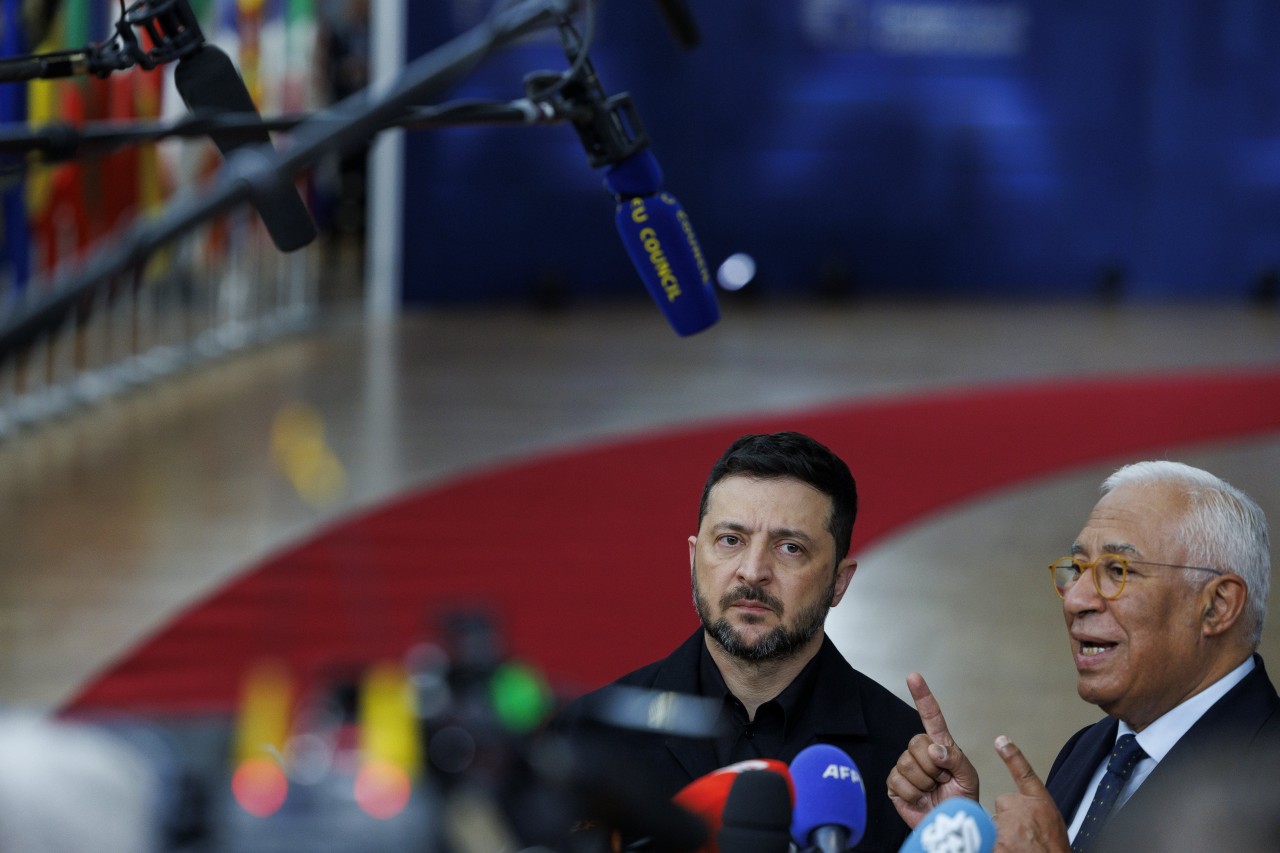
The European Union is considering the controversial use of frozen Russian assets to bolster Ukraine’s defense efforts as the conflict with Russia continues. This strategy emerges as one of the few viable options to assist Ukraine without directly escalating tensions, particularly ahead of crucial negotiations expected in March 2024.
As the war rages on, Ukraine faces significant challenges on both the battlefield and in diplomatic discussions. The potential failure to utilize these assets could severely undermine Ukraine’s position at the negotiating table, as well as its ongoing military resistance against Russian forces. According to estimates, approximately €300 billion in Russian central bank assets have been frozen across Europe and North America since the onset of the conflict.
Implications of Asset Utilization
The proposal to use these assets has garnered attention at multiple levels, including discussions among NATO allies and the G7 nations. European leaders recognize that tapping into these funds could provide a much-needed financial lifeline for Ukraine, which has been relying heavily on international aid. Reports indicate that the Ukrainian government is seeking an additional €10 billion in aid to support its military operations in the coming months.
Ursula von der Leyen, President of the European Commission, stated, “Using frozen Russian assets could serve both to support Ukraine and to hold Russia accountable for its actions.” This perspective highlights a growing sentiment among European leaders that the financial consequences faced by Russia should contribute to Ukraine’s defense capabilities.
While the idea is gaining traction, it also raises questions about legal implications and potential repercussions on international relations. The European Union must navigate complex legal frameworks surrounding asset seizure and use, especially considering the potential backlash from Russia, which could impact energy supplies and trade agreements.
Potential Risks and Benefits
Should the EU decide to move forward with this strategy, there are both risks and benefits to consider. On one hand, utilizing Russian assets could provide immediate financial support to Ukraine, thus strengthening its military readiness. On the other hand, this action could be perceived as an escalation by Russia, potentially deepening the conflict.
The International Monetary Fund (IMF) has expressed cautious optimism about the proposal. According to an IMF spokesperson, “Accessing these funds could provide critical support for Ukraine’s economy as it faces unprecedented challenges.” However, the organization has also urged European leaders to carefully assess the broader implications of such a decision.
In recent discussions among EU member states, a consensus appears to be forming that prioritizes Ukraine’s needs while also acknowledging the potential fallout from using Russian funds. As the situation evolves, European leaders are under pressure to act decisively, balancing humanitarian support with diplomatic considerations.
The outcome of this debate will likely shape the trajectory of the conflict in Ukraine and influence future negotiations. With the world watching closely, the EU’s decision regarding the use of Russian assets may establish a significant precedent in international relations, particularly concerning economic sanctions and their implications for global security.
As March 2024 approaches, the urgency for a resolution intensifies. The stakes are high, and the choices made by European leaders will resonate far beyond the immediate conflict, affecting the geopolitical landscape for years to come.

Alabama Thoroughbred Owners Urge Revival of Racing After 30 Years

San Francisco Woman Delivers Baby in Waymo Self-Driving Taxi

Elon Musk Admits DOGE Efforts Were ‘Somewhat Successful’

Elon Musk Reflects on DOGE Agency’s Limited Success in New Interview

Republicans Unveil Three Health Care Proposals Amid Subsidy Concerns

UNESCO Honors Compas: Haiti’s Vibrant Musical Heritage Recognized

U.S. Proposes New Social Media Disclosure for Visa Waiver Travelers

Experience the Geminid Meteor Shower Peaking This Weekend

Duane Kuiper Misses Out on Ford C. Frick Award Again at MLB Winter Meetings

Inventor Achieves Breakthrough with 2 Billion FPS Laser Video

Community Unites for 7th Annual Into the Light Walk for Mental Health

Charlie Sheen’s New Romance: ‘Glowing’ with Younger Partner

Dua Lipa Aces GCSE Spanish, Sparks Super Bowl Buzz with Fans

Curium Group, PeptiDream, and PDRadiopharma Launch Key Cancer Trial

Former Mozilla CMO Launches AI-Driven Cannabis Cocktail Brand Fast

Mother Fights to Reunite with Children After Kidnapping in New Drama

R&B Icon D’Angelo Dies at 51, Leaving Lasting Legacy

Israel Reopens Rafah Crossing After Hostage Remains Returned
-
 Science2 months ago
Inventor Achieves Breakthrough with 2 Billion FPS Laser Video
-
 Health2 months ago
Community Unites for 7th Annual Into the Light Walk for Mental Health
-
 Top Stories2 months ago
Charlie Sheen’s New Romance: ‘Glowing’ with Younger Partner
-
 Entertainment2 months ago
Dua Lipa Aces GCSE Spanish, Sparks Super Bowl Buzz with Fans
-
 Health2 months ago
Curium Group, PeptiDream, and PDRadiopharma Launch Key Cancer Trial
-
 Top Stories2 months ago
Former Mozilla CMO Launches AI-Driven Cannabis Cocktail Brand Fast
-
 Entertainment2 months ago
Mother Fights to Reunite with Children After Kidnapping in New Drama
-
 World2 months ago
R&B Icon D’Angelo Dies at 51, Leaving Lasting Legacy
-
 World2 months ago
Israel Reopens Rafah Crossing After Hostage Remains Returned
-

 Business2 months ago
Tyler Technologies Set to Reveal Q3 Earnings on October 22
-

 Health2 months ago
North Carolina’s Biotech Boom: Billions in New Investments
-

 Health2 months ago
YouTube Launches New Mental Health Tools for Teen Users