
World
NSW Premier Seeks Extraordinary Powers to Ban Protests After Attack

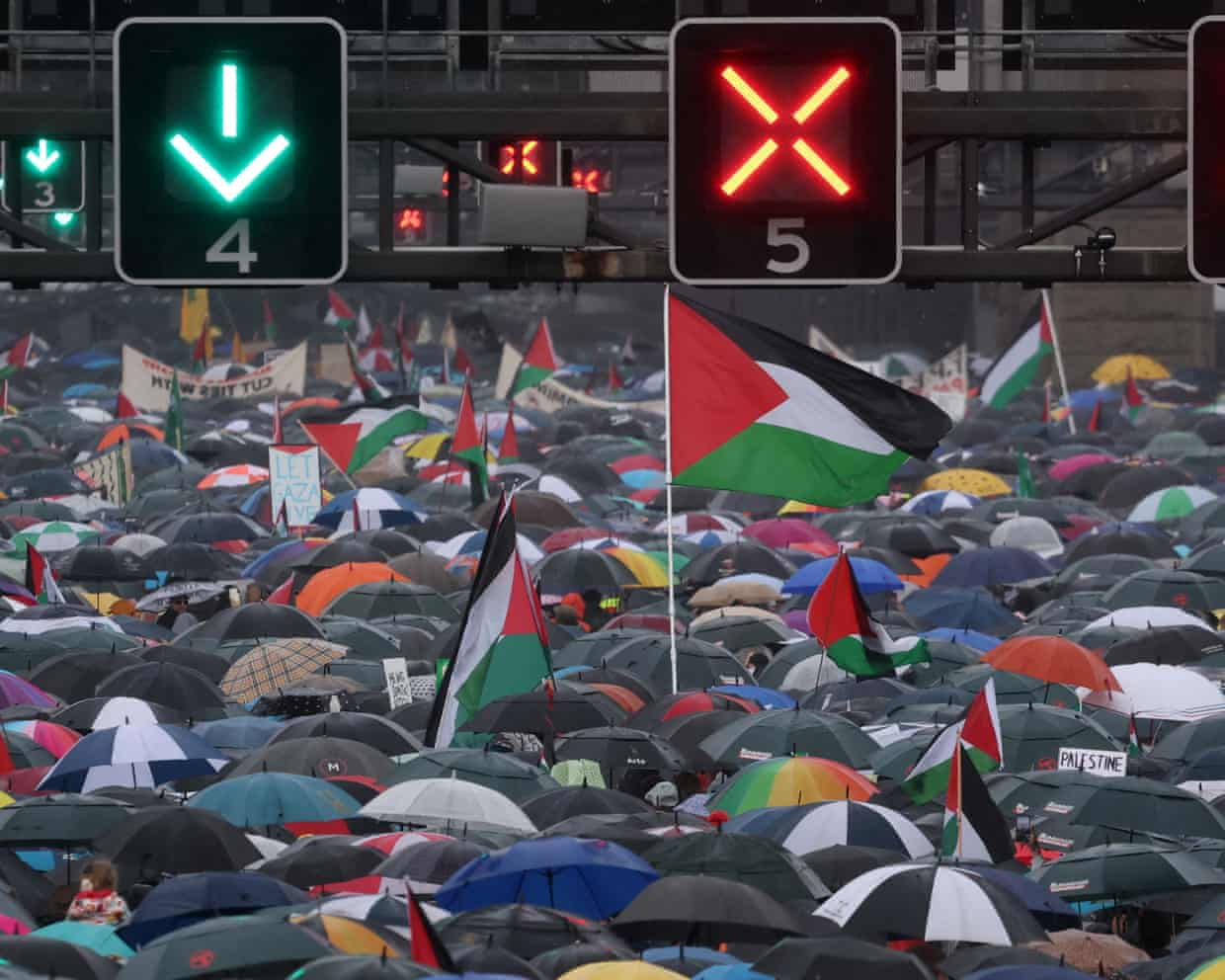
The Premier of New South Wales, Chris Minns, is advocating for his government to be granted “extraordinary powers” aimed at banning public protests for a duration of three months. This request follows the recent terror attack in Bondi, which claimed the lives of 15 people. During a press conference on Friday, Minns linked the public demonstrations supporting Palestine to the implications of the attack, suggesting that they could incite violence.
Minns explained that under proposed legislation, police, with the minister’s consent, would be authorized to designate specific areas where public assemblies would be prohibited. This could include parts of the entire state. “No public assemblies in a designated area will be able to be authorized, including by a court,” he stated. He emphasized that these measures are unprecedented in Australia, asserting, “These are obviously extraordinary powers – not seen before in any jurisdiction in the country.”
The proposed restrictions would allow police to impose limitations without judicial oversight for up to three months. The premier expressed concern about the impact of violent imagery associated with protests, stating, “When you see people marching and showing violent bloody images… it’s unleashing something in our community that the organisers of the protest can’t contain.”
Minns’ remarks come in the wake of a deadly incident at a Hanukah festival in Bondi, where police allege that the gunmen, 24-year-old Naveed Akram and his father, 50-year-old Sajid Akram, were inspired by extremist groups. The Australian Security Intelligence Organisation (ASIO) confirmed that they had prior knowledge of Naveed Akram, who had been under investigation since October 2019. Prime Minister Anthony Albanese commented on the situation, indicating that there had been no indication of ongoing threats from Akram.
Legislation and Public Response
The proposed anti-protest laws would be included in a terrorism and other legislation amendment bill. They would introduce a new power termed “public assembly restriction demonstration” or “Pard.” Under this provision, authorities could declare a restricted area within 14 days of a terrorism designation if a public assembly poses risks of harassment, intimidation, or violence. This move would empower police to issue directions to disperse gatherings deemed unsafe.
While Minns noted that the restrictions are not targeted at any specific group, he did express opposition to large-scale protests, referencing a previous demonstration that saw between 225,000 and 300,000 participants marching across the Sydney Harbour Bridge in August. Among those present were state and federal Labor MPs, including Penny Sharpe and Ed Husic.
Critics of the proposed changes have emerged from various quarters. The president of the NSW Jewish Board of Deputies, David Ossip, expressed concern over the potential for escalating violent rhetoric against Jewish communities, stating, “For two years, people have paraded in our streets… calling for the intifada to be globalised.” Ossip connected this rhetoric to the Bondi attack, claiming it was a progression from verbal hostility to violent actions.
On the other side, members of the pro-Palestinian movement have argued that the proposed legislation unfairly targets their activism. Jesse McNicoll from the Jewish Voices of Inner Sydney criticized the connection made between protests and violence, describing it as “outrageous” and asserting that the protests were not connected to the attacks.
Concerns Over Civil Liberties
Human rights advocates have raised alarms about the implications of the proposed powers. Tim Roberts, president of the NSW Council for Civil Liberties, characterized the proposed changes as excessively broad, emphasizing that banning protests would not effectively combat antisemitism. He stated, “The banning of protests will not stop antisemitism and the premier is wrong to disgracefully link years of peaceful protest to such a horrific and unrelated event.”
The NSW Treasurer, Daniel Moohkey, weighed in on the rhetoric surrounding the protests, labeling phrases such as “globalising intifada” as hate speech. He suggested that such statements have real-world consequences, referring to the recent attack.
In response to the concerns raised by the Palestine Action Group, spokesperson Josh Lees argued that the term “intifada” fundamentally refers to a movement against occupation and oppression, distancing it from any antisemitic connotation. He expressed skepticism about labeling the phrase as hate speech, stating, “There is absolutely nothing antisemitic about this word or associated chants.”
As the debate continues, the implications of Minns’ proposed measures remain contentious, drawing attention to the balance between public safety and the right to protest. The evolving situation in New South Wales highlights the complex dynamics at play in the current socio-political climate, particularly in light of recent tragic events.

Urgent Update: Brown University Shooting Suspect Found Dead

Mount Rainier Loses Height: Urgent Climate Change Alert

Urgent: Suspected Brown University Shooter Linked to MIT Professor Murder

Another Cast Member Exits “Amazing Saturday” Amid Controversy

Protect Your Home: Drip Faucets to Avoid Frozen Pipes This Winter

Congressman Calls for Inquiry into CNN and Kalshi Partnership

NASA Honors Stunning Image of France in Science Calendar

Sharks Fall to Stars as Goalie’s Mistake Costs Key Goal

NSW Premier Seeks Extraordinary Powers to Ban Protests After Attack

Inventor Achieves Breakthrough with 2 Billion FPS Laser Video

Community Unites for 7th Annual Into the Light Walk for Mental Health

Charlie Sheen’s New Romance: ‘Glowing’ with Younger Partner

Dua Lipa Aces GCSE Spanish, Sparks Super Bowl Buzz with Fans

Curium Group, PeptiDream, and PDRadiopharma Launch Key Cancer Trial

Mother Fights to Reunite with Children After Kidnapping in New Drama

Former Mozilla CMO Launches AI-Driven Cannabis Cocktail Brand Fast

R&B Icon D’Angelo Dies at 51, Leaving Lasting Legacy

Israel Reopens Rafah Crossing After Hostage Remains Returned
-
 Science2 months ago
Inventor Achieves Breakthrough with 2 Billion FPS Laser Video
-
 Health2 months ago
Community Unites for 7th Annual Into the Light Walk for Mental Health
-
 Top Stories2 months ago
Charlie Sheen’s New Romance: ‘Glowing’ with Younger Partner
-
 Entertainment2 months ago
Dua Lipa Aces GCSE Spanish, Sparks Super Bowl Buzz with Fans
-
 Health2 months ago
Curium Group, PeptiDream, and PDRadiopharma Launch Key Cancer Trial
-
 Entertainment2 months ago
Mother Fights to Reunite with Children After Kidnapping in New Drama
-
 Top Stories2 months ago
Former Mozilla CMO Launches AI-Driven Cannabis Cocktail Brand Fast
-
 World2 months ago
R&B Icon D’Angelo Dies at 51, Leaving Lasting Legacy
-
 World2 months ago
Israel Reopens Rafah Crossing After Hostage Remains Returned
-

 Health2 months ago
YouTube Launches New Mental Health Tools for Teen Users
-

 Business2 months ago
Tyler Technologies Set to Reveal Q3 Earnings on October 22
-

 Health2 months ago
North Carolina’s Biotech Boom: Billions in New Investments