
World
White House Responds to Israel Over Hamas Commander’s Death

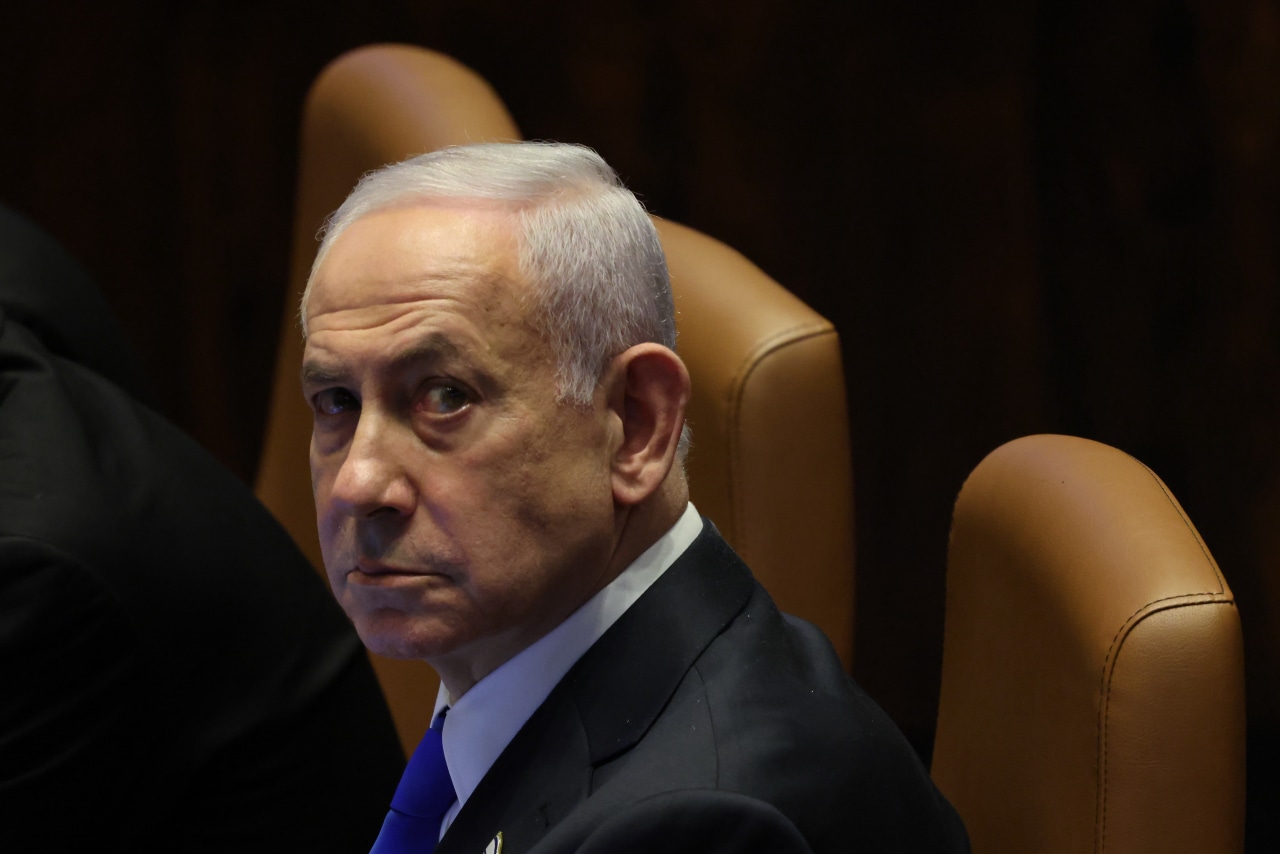
The White House has expressed strong discontent towards Israel following the recent killing of a Hamas commander. This incident has raised tensions between the United States and its ally, with President Donald Trump reportedly frustrated over Israeli Prime Minister Benjamin Netanyahu‘s actions that he perceives as undermining efforts to establish a ceasefire in Gaza.
In a series of discussions, Trump conveyed to aides that he believes Netanyahu’s approach is jeopardizing a proposed plan intended to halt the ongoing conflict and facilitate the reconstruction of Gaza, which has suffered extensive damage. According to senior officials, Trump described the situation as detrimental to his diplomatic objectives in the region.
The killing of the Hamas commander sparked immediate backlash, not only from Palestinian factions but also from various international observers who caution against escalating violence. This development comes at a critical time as the humanitarian crisis in Gaza continues to deepen, with thousands displaced and in urgent need of assistance.
U.S.-Israel Relations Under Strain
The relationship between the United States and Israel, traditionally viewed as robust, is now facing scrutiny. Trump’s frustration reflects a growing sentiment within his administration advocating for a more measured response to Israeli military actions. Analysts indicate that this shift could have long-term implications for U.S. foreign policy in the Middle East.
The White House’s concerns are not merely diplomatic; they also reflect a broader understanding of the importance of stability in the region. The U.S. has invested heavily in peace initiatives, and the current trajectory risks undermining these efforts. Aides noted that Trump’s commitment to achieving a lasting peace in the Middle East is central to his foreign policy agenda.
Despite the ongoing tension, Netanyahu has defended his government’s actions as necessary for national security. The Israeli leadership maintains that taking decisive steps against Hamas is crucial to protect its citizens. However, this stance complicates relations with the U.S., which is calling for restraint and a focus on rebuilding efforts.
Humanitarian organizations are particularly concerned about the fallout from this strife. The escalating violence has already led to significant civilian casualties and an urgent humanitarian crisis in Gaza. Many international agencies are advocating for an immediate ceasefire to allow for aid to reach those in need.
Future Implications
As the situation evolves, the White House continues to monitor developments closely. The implications of this incident extend beyond immediate diplomatic relations; they could influence future negotiations and the broader geopolitical landscape.
Trump’s administration is now at a crossroads. The president’s ability to mediate effectively in the Middle East may depend on how both Israeli and Palestinian leaders respond to his calls for a more balanced approach. Observers suggest that the coming weeks will be critical in determining the trajectory of U.S.-Israeli relations and the prospects for peace in the region.
With tensions high, both sides must navigate the complex interplay of military action and diplomatic dialogue. The pressure is on leaders to find a path that promotes stability, addresses humanitarian needs, and ultimately leads to a sustainable resolution to the ongoing conflict.

UNESCO Recognizes Italian Culinary Traditions as Global Heritage

Scientists Navigate Storms to Uncover Ocean Carbon Secrets

Mikaela Shiffrin Secures 105th World Cup Victory in Slalom

West Must Confront the Reality of Honor Killings Worldwide

Chester County Real Estate Market Reveals Nuanced Trends for 2025

Virginia Roberts Guiffre’s Memoir Reaches 1 Million Sales Worldwide

Cozy Environments Enhance Sleep Quality, According to Study

Lennar Reports Weak FQ4 Results, Issues Cautious FQ1 Guidance

Brown University Mourns Loss of Two Students in Campus Shooting

Inventor Achieves Breakthrough with 2 Billion FPS Laser Video

Community Unites for 7th Annual Into the Light Walk for Mental Health

Charlie Sheen’s New Romance: ‘Glowing’ with Younger Partner

Dua Lipa Aces GCSE Spanish, Sparks Super Bowl Buzz with Fans

Curium Group, PeptiDream, and PDRadiopharma Launch Key Cancer Trial

Former Mozilla CMO Launches AI-Driven Cannabis Cocktail Brand Fast

Mother Fights to Reunite with Children After Kidnapping in New Drama

Israel Reopens Rafah Crossing After Hostage Remains Returned

R&B Icon D’Angelo Dies at 51, Leaving Lasting Legacy
-
 Science2 months ago
Inventor Achieves Breakthrough with 2 Billion FPS Laser Video
-
 Health2 months ago
Community Unites for 7th Annual Into the Light Walk for Mental Health
-
 Top Stories2 months ago
Charlie Sheen’s New Romance: ‘Glowing’ with Younger Partner
-
 Entertainment2 months ago
Dua Lipa Aces GCSE Spanish, Sparks Super Bowl Buzz with Fans
-
 Health2 months ago
Curium Group, PeptiDream, and PDRadiopharma Launch Key Cancer Trial
-
 Top Stories2 months ago
Former Mozilla CMO Launches AI-Driven Cannabis Cocktail Brand Fast
-
 Entertainment2 months ago
Mother Fights to Reunite with Children After Kidnapping in New Drama
-
 World2 months ago
Israel Reopens Rafah Crossing After Hostage Remains Returned
-
 World2 months ago
R&B Icon D’Angelo Dies at 51, Leaving Lasting Legacy
-

 Business2 months ago
Tyler Technologies Set to Reveal Q3 Earnings on October 22
-

 Health2 months ago
YouTube Launches New Mental Health Tools for Teen Users
-

 Entertainment2 months ago
Red Sox’s Bregman to Become Free Agent; Tigers Commit to Skubal