
Politics
HHS Drug Advertising Regulations Spark Concerns Over Free Speech

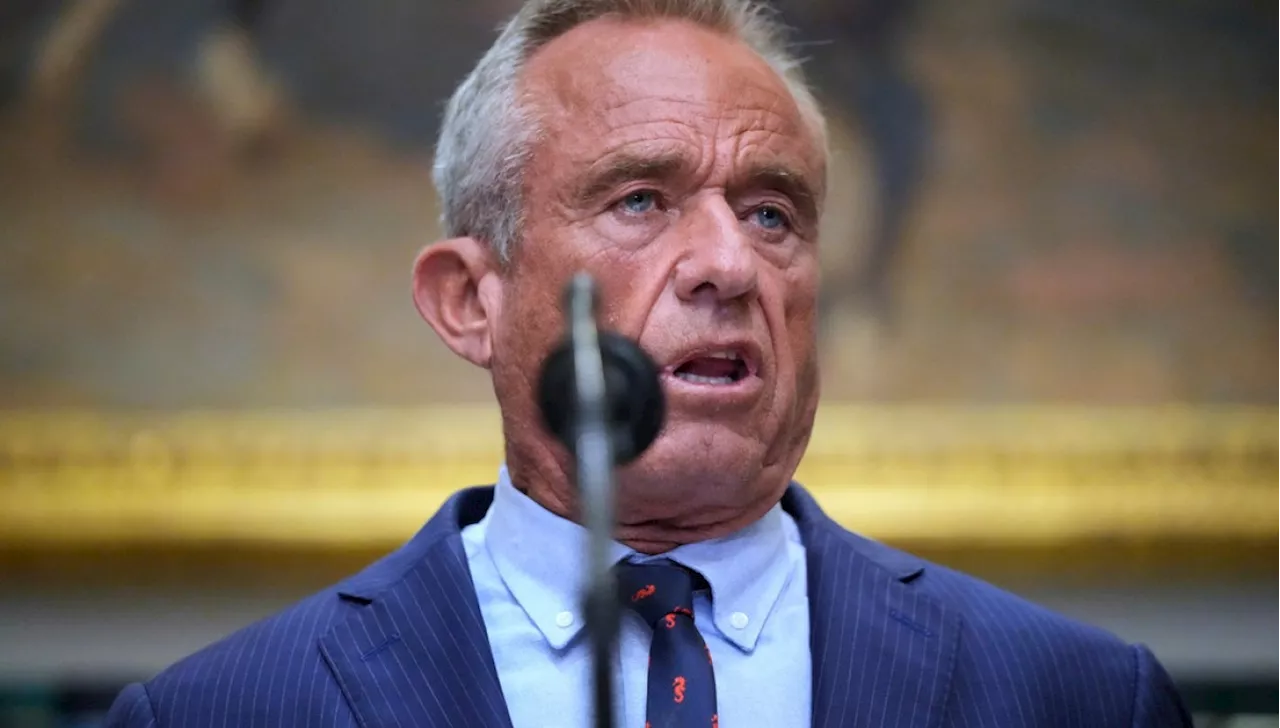
The U.S. Department of Health and Human Services (HHS) is facing backlash over proposed regulations that critics argue would significantly restrict drug advertising, potentially undermining patient access to vital health information. Supporters of drug advertising assert that these promotions educate patients about new treatments and foster important discussions with healthcare providers.
Concerns have been raised regarding a perceived “loophole” in current regulations that some believe allows pharmaceutical companies to bypass essential compliance measures. Critics, including industry leaders, warn that the proposed rules would create “bewildering disclosure requirements,” making it exceedingly difficult for legitimate advertisements to be aired. The new standards could effectively impose a ban on direct-to-consumer (DTC) advertising, leaving patients in the dark about available treatments.
Historically, the regulatory landscape surrounding drug advertising has evolved significantly. In 1995, a court ruled that the FDA’s stringent regulations violated First Amendment rights by restricting truthful communication about medical products. This decision led to a compromise that allowed ads to include a “major statement” of risks alongside directions to access comprehensive product information. This framework not only satisfied legal requirements but also ensured that consumers received accurate information about potentially life-saving medications.
According to critics, the current proposal from HHS and the FDA raises serious constitutional concerns. They argue that limiting communication does not enhance safety; instead, it deprives patients of critical knowledge. When patients lack information about emerging treatments, the consequences can be dire, potentially leading to missed diagnoses and poorer health outcomes.
The proposed changes are characterized as technical, yet their impact could be transformative. By imposing extensive new disclosure and disclaimer requirements on advertisements, the HHS and FDA risk making compliance nearly impossible. A commercial burdened with mandated language may fail to convey its intended message, which some argue amounts to a suppression of free speech rather than a regulation of it.
Legal precedents underscore the importance of protecting truthful advertising. Courts have previously ruled against governmental efforts to silence truthful speech, emphasizing that consumers need access to information about lawful products to make informed decisions. Restrictions that inhibit communication not only violate First Amendment principles but also undermine the public’s right to know.
Some regulators express concerns that drug advertising misleads patients or pressures healthcare providers. However, advocates for DTC advertising maintain that the solution to misinformation is to provide more information, not to silence communication entirely. Research has shown that DTC advertisements can motivate millions of patients to seek treatment for conditions they might otherwise ignore, leading to earlier diagnoses and improved health outcomes.
While regulators possess the authority to penalize false advertising, they must avoid enacting rules that stifle legitimate communication. Critics urge HHS to reconsider its approach and uphold the balance established in 1997, which recognizes the importance of transparency in empowering patients.
As discussions evolve regarding the future of drug advertising, the implications for both free speech and patient health remain paramount. Advocates stress that censorship is not the answer to misinformation; instead, fostering an informed public is essential for a healthy democracy.

Funko’s Price Target Increased to $4.00 as Analysts React

Humboldt Celebrates as ‘One Battle After Another’ Claims Best Picture

GSK Faces Backlash Over Asthma Inhaler Scrapping, Children Suffer

Adorable Sandhill Crane Colt Hugs Mom in The Villages

USA Unveils Star-Spangled Jerseys Ahead of March Friendlies

Newport Plans Colorful Lighting for Fourth Street Bridge

Sandia Scientists Honored for Innovative Career Journeys

Urgent: Charles M. Payment Passes Away at 78, Memorial Details Inside

NFL Free Agency: Key Moves and Player Signings in Week One

Researchers Launch $1.25M Project for Real-Time Hazard Monitoring in Hawaiʻi

Send It South Revives Culture and Community at The Momentary

UK Government Borrowing Hits £20.2 Billion in September Surge

Flipkart Republic Day Sale: iPhone 16 Plus Price Slashed by ₹23,900

Adecco SA Secures Mixed Ratings from Analysts Amid Earnings Update

Globant Reveals Key Tech Forces Shaping Business in 2026

Researchers Achieve Record 15.1 mA/cm² Hydrogen Production Efficiency

Dua Lipa Aces GCSE Spanish, Sparks Super Bowl Buzz with Fans

Inventor Achieves Breakthrough with 2 Billion FPS Laser Video
-
 Science8 months ago
Researchers Launch $1.25M Project for Real-Time Hazard Monitoring in Hawaiʻi
-
 Entertainment7 months ago
Send It South Revives Culture and Community at The Momentary
-
 World10 months ago
UK Government Borrowing Hits £20.2 Billion in September Surge
-
 Business6 months ago
Flipkart Republic Day Sale: iPhone 16 Plus Price Slashed by ₹23,900
-
 Sports8 months ago
Adecco SA Secures Mixed Ratings from Analysts Amid Earnings Update
-
 Business8 months ago
Globant Reveals Key Tech Forces Shaping Business in 2026
-
 Top Stories5 months ago
Researchers Achieve Record 15.1 mA/cm² Hydrogen Production Efficiency
-
 Entertainment10 months ago
Dua Lipa Aces GCSE Spanish, Sparks Super Bowl Buzz with Fans
-
 Science10 months ago
Inventor Achieves Breakthrough with 2 Billion FPS Laser Video
-

 Top Stories10 months ago
Charlie Sheen’s New Romance: ‘Glowing’ with Younger Partner
-

 Top Stories8 months ago
JSerra Names Hardy Nickerson as First Black Football Coach
-

 Health10 months ago
Community Unites for 7th Annual Into the Light Walk for Mental Health