
Science
Aetherflux to Launch First Space Data Center by 2027

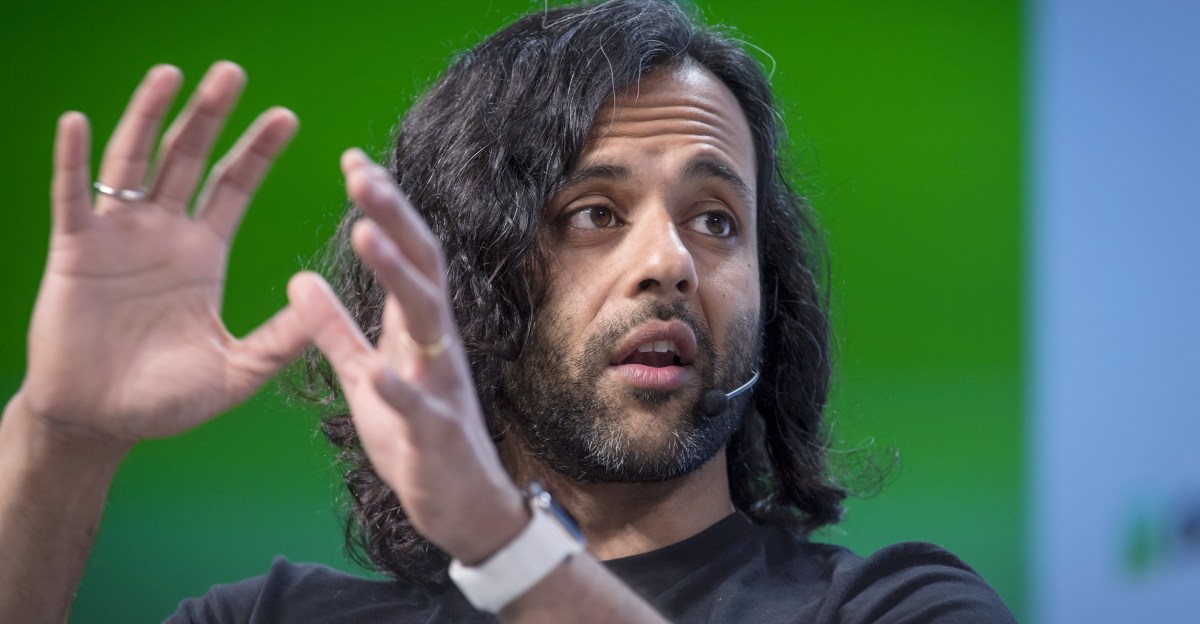
Aetherflux, a startup focused on solar power technologies, announced its ambitious plan to launch its first data center satellite by early 2027. This initiative aims to establish a larger network of satellites, collectively termed the “Galactic Brain.” The announcement reflects a growing trend among tech companies to address the limitations of terrestrial data centers as demand for artificial intelligence capabilities surges.
As companies grapple with the constraints of physical space and energy supply on Earth, sending data centers into orbit presents a viable solution. These orbiting facilities could harness solar energy continuously, bypassing the challenges posed by terrestrial energy sources. “The race for artificial general intelligence is fundamentally a race for compute capacity, and by extension, energy. The elephant in the room is that our current energy plans simply won’t get us there fast enough,” stated Baiju Bhatt, founder and CEO of Aetherflux, who previously co-founded Robinhood.
Competition in Orbital Data Centers
Aetherflux is entering a competitive landscape that includes major players such as Google, Blue Origin, and SpaceX. These companies are exploring the feasibility of orbital data centers as a means to enhance their computational power while minimizing environmental impact. Equipped with photovoltaic panels, these satellites would be able to operate on solar energy without the interruptions caused by the setting sun.
In November, Google released a preprint paper detailing its plans for Project Suncatcher, an initiative to deploy AI chips on solar-powered satellites. Similarly, Jeff Bezos has expressed optimism about the potential for large data centers in space, a vision that Blue Origin has been actively pursuing. Elon Musk is also reportedly exploring the use of Starlink satellites for AI computing tasks.
Growing resistance to data center projects on Earth has spurred interest in off-planet alternatives. Critics have raised concerns about the substantial electricity consumption of terrestrial facilities, which can lead to increased electricity rates and environmental pollution from new fossil fuel infrastructure. Additionally, traditional data centers require significant amounts of water for cooling, a challenge that orbital alternatives aim to circumvent.
Challenges Ahead for Aetherflux
Despite the promising prospects of space-based data centers, Aetherflux and its competitors face significant hurdles. Although launch costs have decreased over the years, establishing and maintaining operations in space remains prohibitively expensive. Companies must also ensure that AI chips are resilient against higher radiation levels and can avoid collisions with other satellites, especially as orbital traffic increases.
According to CBRE, a commercial real estate firm, limitations on electricity generation have become the “prime inhibitor” of data center growth worldwide. This has led to numerous projects being postponed or blocked across the United States, where local opposition has intensified since 2023. As the demand for data capacity continues to grow, innovative solutions like those proposed by Aetherflux may pave the way for future advancements in computing infrastructure.

Stocks Surge on December 11, 2025, with Strong Market Gains

Duffer Brothers’ New Show “The Boroughs” Set to Invert Stranger Things

Powerball Jackpot Soars to $1 Billion Again—Act Now!

Frank M. Campagne Remembered for His Lifelong Contributions

Noem Faces Scrutiny as Democrats Criticize Migrant Policies

Peptide Therapy Gains Traction for Health and Longevity Benefits

Sharks Look to Rebound as Mukhamadullin Returns Against Leafs

White House Urged to Reassess U.S. Interests in Europe

Powerball Jackpot Soars to $1 Billion for Second Time in 2025

Inventor Achieves Breakthrough with 2 Billion FPS Laser Video

Community Unites for 7th Annual Into the Light Walk for Mental Health

Charlie Sheen’s New Romance: ‘Glowing’ with Younger Partner

Dua Lipa Aces GCSE Spanish, Sparks Super Bowl Buzz with Fans

Curium Group, PeptiDream, and PDRadiopharma Launch Key Cancer Trial

Former Mozilla CMO Launches AI-Driven Cannabis Cocktail Brand Fast

Israel Reopens Rafah Crossing After Hostage Remains Returned

Mother Fights to Reunite with Children After Kidnapping in New Drama

R&B Icon D’Angelo Dies at 51, Leaving Lasting Legacy
-
 Science2 months ago
Inventor Achieves Breakthrough with 2 Billion FPS Laser Video
-
 Health2 months ago
Community Unites for 7th Annual Into the Light Walk for Mental Health
-
 Top Stories2 months ago
Charlie Sheen’s New Romance: ‘Glowing’ with Younger Partner
-
 Entertainment2 months ago
Dua Lipa Aces GCSE Spanish, Sparks Super Bowl Buzz with Fans
-
 Health2 months ago
Curium Group, PeptiDream, and PDRadiopharma Launch Key Cancer Trial
-
 Top Stories2 months ago
Former Mozilla CMO Launches AI-Driven Cannabis Cocktail Brand Fast
-
 World2 months ago
Israel Reopens Rafah Crossing After Hostage Remains Returned
-
 Entertainment2 months ago
Mother Fights to Reunite with Children After Kidnapping in New Drama
-
 World2 months ago
R&B Icon D’Angelo Dies at 51, Leaving Lasting Legacy
-

 Business2 months ago
Tyler Technologies Set to Reveal Q3 Earnings on October 22
-

 Health2 months ago
YouTube Launches New Mental Health Tools for Teen Users
-
 Health2 months ago
North Carolina’s Biotech Boom: Billions in New Investments