
Science
Nintendo Faces Memory Crisis as Costs Soar, Shares Plummet

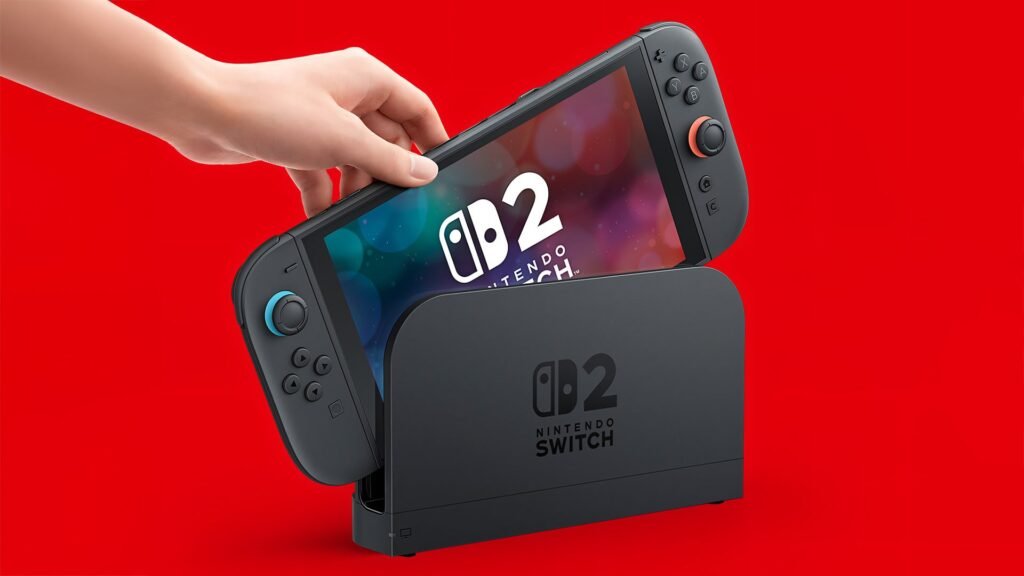
Nintendo is grappling with a significant challenge as rising prices for RAM and flash memory threaten to impact its profits. The Japanese gaming giant, which recently launched the highly anticipated Switch 2, has seen its share price decline sharply due to concerns over escalating storage costs. According to a report from the US Economic Intelligence Service, Bloomberg, Nintendo’s stock fell by as much as 4.7 percent in one day as market analysts anticipated that the soaring memory prices could adversely affect sales figures.
Over the past week, Nintendo has experienced a market value loss of nearly $14 billion. The company’s shares have dropped almost 10 percent, reflecting growing investor unease. This downturn comes in the wake of a substantial increase in the prices of RAM and flash storage, which are essential components of the Switch 2. In recent weeks, the cost of the 12 gigabytes of RAM used in the console surged by 41 percent, while flash memory saw an 8 percent increase.
As Nintendo navigates this memory crisis, analysts highlight that the optimism surrounding the Switch 2’s sales is waning. The company’s profit margins are shrinking, and if it opts to raise prices to mitigate the impact of increased costs, it risks making the consoles less attractive to potential buyers. This could lead to diminished demand, compounding the challenges already posed by the rising memory prices.
The situation is further complicated by the fact that the memory cards required for the Switch 2 also rely on flash memory, which has seen significant price increases. Consumers looking for fast read and write memory cards—essential for optimal performance on the Switch 2—now face higher costs.
In response to these challenges, Nintendo is attempting an unconventional strategy. Just months after launching the Switch 2, the company is offering discounted bundles that include popular games, such as Mario Kart World. This tactic aims to accelerate the distribution of console hardware, allowing Nintendo to generate revenue from games and services before hardware sales potentially decline due to the rising costs of memory components.
As Nintendo continues to adjust to this rapidly changing landscape, the impact of the memory crisis serves as a stark reminder of the delicate balance between production costs and consumer demand in the competitive gaming market. The coming months will be critical for Nintendo as it seeks to navigate these challenges while maintaining its position as a leading player in the gaming industry.

Iconic ‘Star Wars’ Painting Sells for $3.9 Million at Auction

Federal Judge Orders Immediate Release of Kilmar Abrego Garcia

Woman Reunites Lost Family Photos with TV Host Ricki Lake

Senate to Vote on Health Bills Impacting Millions of Americans

Hillcrest Offers Essential Tips for Seniors to Combat Holiday Loneliness

Federal Judge Orders Immediate Release of Kilmar Abrego Garcia

Lawrence Kasdan’s Archive at University of Michigan Opens to Researchers

Steve Kerr Discusses Jonathan Kuminga’s Future with Warriors

Bulgaria’s Government Resigns Amid Protests, Eurozone Deadline Looms

Inventor Achieves Breakthrough with 2 Billion FPS Laser Video

Community Unites for 7th Annual Into the Light Walk for Mental Health

Charlie Sheen’s New Romance: ‘Glowing’ with Younger Partner

Dua Lipa Aces GCSE Spanish, Sparks Super Bowl Buzz with Fans

Curium Group, PeptiDream, and PDRadiopharma Launch Key Cancer Trial

Former Mozilla CMO Launches AI-Driven Cannabis Cocktail Brand Fast

Israel Reopens Rafah Crossing After Hostage Remains Returned

Mother Fights to Reunite with Children After Kidnapping in New Drama

R&B Icon D’Angelo Dies at 51, Leaving Lasting Legacy
-
 Science2 months ago
Inventor Achieves Breakthrough with 2 Billion FPS Laser Video
-
 Health2 months ago
Community Unites for 7th Annual Into the Light Walk for Mental Health
-
 Top Stories2 months ago
Charlie Sheen’s New Romance: ‘Glowing’ with Younger Partner
-
 Entertainment2 months ago
Dua Lipa Aces GCSE Spanish, Sparks Super Bowl Buzz with Fans
-
 Health2 months ago
Curium Group, PeptiDream, and PDRadiopharma Launch Key Cancer Trial
-
 Top Stories2 months ago
Former Mozilla CMO Launches AI-Driven Cannabis Cocktail Brand Fast
-
 World2 months ago
Israel Reopens Rafah Crossing After Hostage Remains Returned
-
 Entertainment2 months ago
Mother Fights to Reunite with Children After Kidnapping in New Drama
-
 World2 months ago
R&B Icon D’Angelo Dies at 51, Leaving Lasting Legacy
-

 Business2 months ago
Tyler Technologies Set to Reveal Q3 Earnings on October 22
-

 Health2 months ago
North Carolina’s Biotech Boom: Billions in New Investments
-

 Health2 months ago
YouTube Launches New Mental Health Tools for Teen Users