
World
Philippine Typhoon Survivors Take Legal Action Against Shell

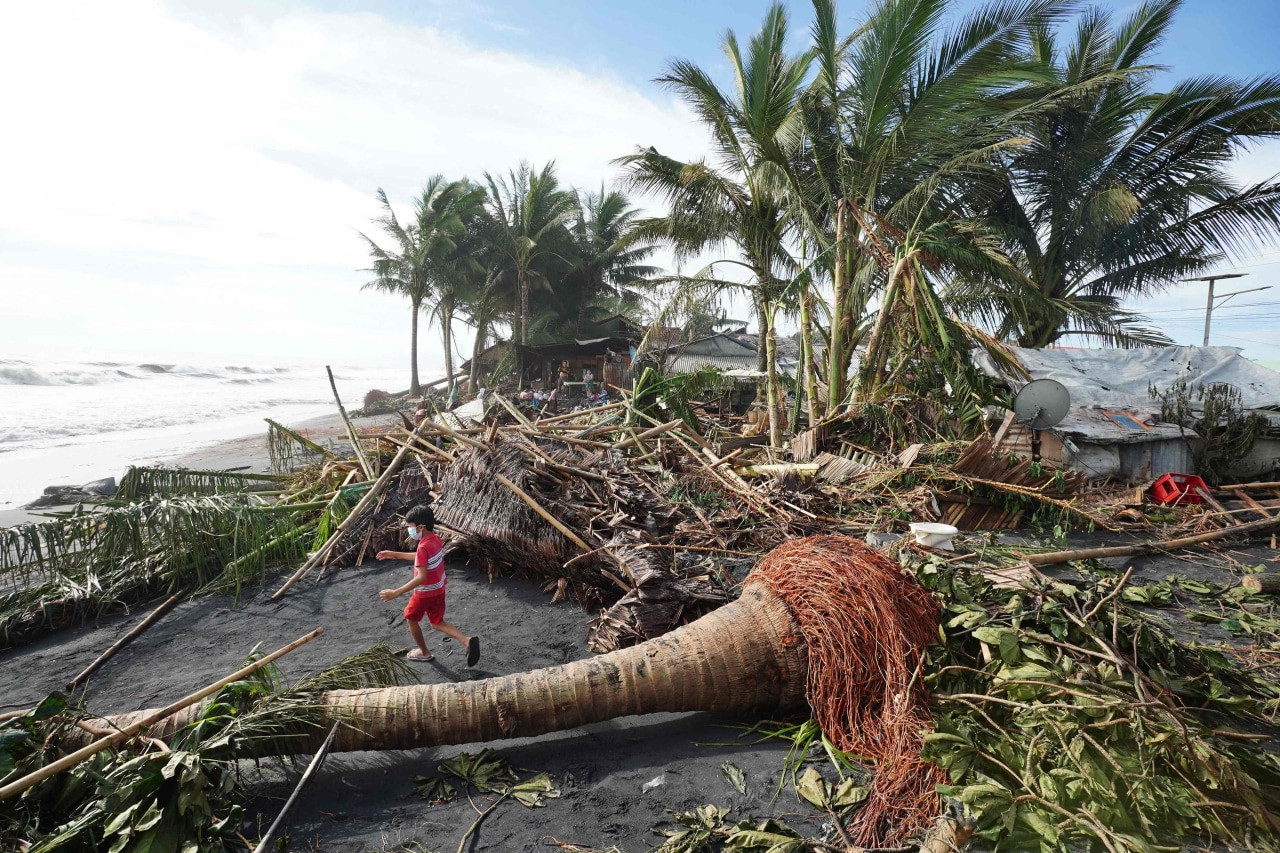
Survivors of the devastating Typhoon Rai in the Philippines have filed a lawsuit against the oil giant Shell, alleging the company has played a significant role in climate change. The claimants argue that Shell has been aware for decades of the contribution that burning fossil fuels makes to global warming, an assertion the company contests.
The lawsuit is part of a growing trend where communities affected by climate-related disasters seek accountability from fossil fuel companies. According to reports, Typhoon Rai, which struck in December 2021, resulted in over 400 fatalities and caused damages estimated at around $1.3 billion. Survivors are now demanding compensation, claiming that Shell’s operations exacerbated the climate crisis, making extreme weather events like Typhoon Rai more likely.
Claims of Corporate Knowledge and Responsibility
The survivors’ legal team contends that Shell had knowledge of the risks associated with fossil fuel consumption and climate change for decades. They argue that the company prioritized profits over environmental responsibilities. In their view, Shell’s actions have directly contributed to the increased frequency and severity of typhoons in the region, including the catastrophic impact of Typhoon Rai.
The lawsuit cites internal documents and communications from Shell, which allegedly highlight the company’s awareness of climate change implications. The claimants are calling for Shell to take responsibility for its role in the climate crisis, emphasizing that vulnerable communities in the Philippines are bearing the brunt of its environmental impact.
The legal action against Shell is not an isolated case. It follows similar lawsuits in various countries where citizens hold fossil fuel companies accountable for climate-related damages. As climate change continues to threaten lives and livelihoods around the world, the outcomes of these cases could set significant precedents.
Shell’s Response and Broader Implications
In response to the allegations, Shell has firmly denied culpability in climate change-related disasters. The company argues that its contributions to global energy supply are essential for development and that transitioning to renewable energy sources is a complex challenge. Shell maintains that it is committed to reducing its carbon footprint and investing in sustainable energy solutions.
Legal experts suggest that this case could have broader implications for the fossil fuel industry. If the court finds in favor of the plaintiffs, it may encourage more lawsuits against other major oil and gas companies, highlighting the responsibility they hold in contributing to climate change.
The case is set to draw attention not only to the environmental practices of Shell but also to the need for accountability in the fossil fuel industry. As communities around the globe continue to confront the realities of climate change, the outcomes of such legal actions may play a crucial role in shaping future policies and corporate practices related to environmental sustainability.
This lawsuit represents a significant moment for climate justice, as survivors of Typhoon Rai seek to hold Shell accountable for its alleged role in the climate crisis. The legal proceedings will be closely monitored, as they may influence the ongoing discourse on corporate responsibility and environmental ethics in a warming world.

Senators Push Urgent Changes to Military Operations Bill After Deadly Crash

HomeAid Expands Reach with New Affiliate in Delaware Valley

Zelenskyy Highlights Territorial Disputes in U.S.-Led Peace Talks

AI Steers Free-Flying Robot at International Space Station

Fans Can Now Apply for Specific World Cup Match Tickets

Philippine Typhoon Survivors Take Legal Action Against Shell

Flavor Innovations and Trends to Define 2026 Beverage Market

Zelenskyy Urges Swift Action in U.S.-Led Peace Talks with Russia

Berkeley Hat Company to Close After 50 Years on Telegraph Ave

Inventor Achieves Breakthrough with 2 Billion FPS Laser Video

Community Unites for 7th Annual Into the Light Walk for Mental Health

Charlie Sheen’s New Romance: ‘Glowing’ with Younger Partner

Dua Lipa Aces GCSE Spanish, Sparks Super Bowl Buzz with Fans

Curium Group, PeptiDream, and PDRadiopharma Launch Key Cancer Trial

Former Mozilla CMO Launches AI-Driven Cannabis Cocktail Brand Fast

Israel Reopens Rafah Crossing After Hostage Remains Returned

Mother Fights to Reunite with Children After Kidnapping in New Drama

R&B Icon D’Angelo Dies at 51, Leaving Lasting Legacy
-
 Science2 months ago
Inventor Achieves Breakthrough with 2 Billion FPS Laser Video
-
 Health2 months ago
Community Unites for 7th Annual Into the Light Walk for Mental Health
-
 Top Stories2 months ago
Charlie Sheen’s New Romance: ‘Glowing’ with Younger Partner
-
 Entertainment2 months ago
Dua Lipa Aces GCSE Spanish, Sparks Super Bowl Buzz with Fans
-
 Health2 months ago
Curium Group, PeptiDream, and PDRadiopharma Launch Key Cancer Trial
-
 Top Stories2 months ago
Former Mozilla CMO Launches AI-Driven Cannabis Cocktail Brand Fast
-
 World2 months ago
Israel Reopens Rafah Crossing After Hostage Remains Returned
-
 Entertainment2 months ago
Mother Fights to Reunite with Children After Kidnapping in New Drama
-
 World2 months ago
R&B Icon D’Angelo Dies at 51, Leaving Lasting Legacy
-

 Business2 months ago
Tyler Technologies Set to Reveal Q3 Earnings on October 22
-

 Health2 months ago
North Carolina’s Biotech Boom: Billions in New Investments
-

 Health2 months ago
YouTube Launches New Mental Health Tools for Teen Users