
Business
Overwintering Eggplant: How to Grow This Vegetable Year-Round

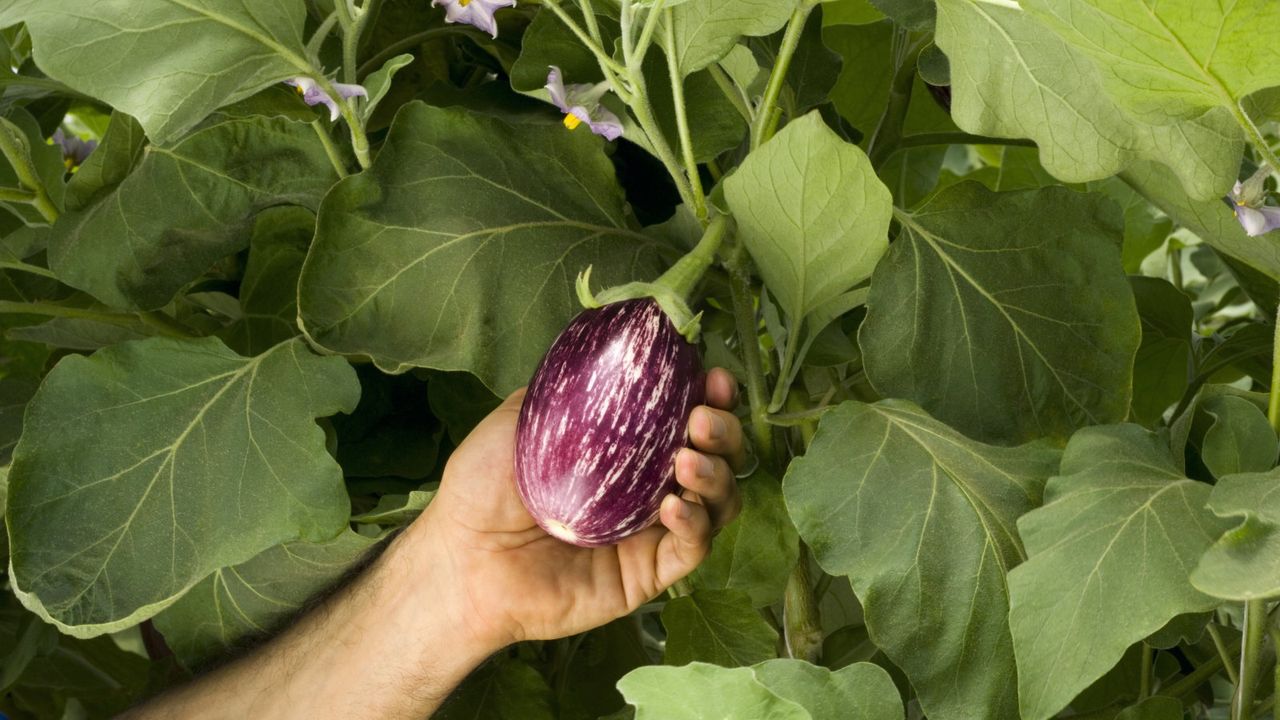
Many gardeners are familiar with growing eggplants as annual plants, typically yielding a harvest within a single season. However, there is an alternative approach that allows these warm-weather vegetables to be kept alive over winter and potentially produce earlier harvests in the following year. By overwintering eggplants, gardeners can enjoy the benefits of perennial growth, saving both time and money while experimenting with this engaging gardening technique.
Eggplants thrive in warmer climates, making overwintering a viable option primarily for those in US hardiness zones 10-12. For gardeners in cooler regions, bringing the plants indoors is essential to protect them from frost. While this method may result in a gradual decline in plant vigor over the years, it can sustain the plants for several seasons before they become less productive.
Benefits of Overwintering Eggplants
Opting for overwintering can yield significant rewards. By keeping mature plants alive, gardeners can harvest eggplants earlier than those grown from seeds sown in spring. This method also reduces expenses associated with buying new plants and eliminates the need for seed propagation.
Michael Clarke, an experienced horticulturist and founder of Yardwork, emphasizes that the success of overwintering largely depends on the specific climate conditions and available growing space. For those interested in exploring this method, a clear understanding of the necessary steps is crucial.
Steps for Overwintering Eggplants Indoors
To successfully overwinter eggplants indoors, gardeners should follow these steps:
1. **Move Plants Before Frost**: Eggplants are highly sensitive to cold. To prevent harm from temperatures below 10°C (50°F), monitor weather forecasts and relocate plants indoors before frost threatens.
2. **Prune Plants Back**: Before bringing plants indoors, trim them significantly. Clarke recommends removing all fruit and flowers, cutting stems back to 20-30 centimeters (8-12 inches), and leaving only 2-4 small leaves to help the plant survive the winter.
3. **Pot Up Healthy Plants**: If eggplants were grown in the ground, carefully dig them up and transfer them to containers filled with quality potting soil. Ensure the pots have drainage holes to prevent root rot due to oversaturation.
4. **Choose a Warm, Bright Location**: Overwintering eggplants indoors requires a warm environment with bright, indirect light. Clarke suggests maintaining temperatures between 15-21°C (60-70°F) and placing plants near an east or south-facing window. In low-light conditions, using grow lights can help promote healthy growth.
5. **Water Sparingly**: During winter, water the plants only enough to keep the soil barely moist. Overwatering is a common cause of plant decline during this period. A soil moisture meter can aid in determining when to water.
Overwintering Eggplants Outdoors in Warmer Climates
For gardeners located in warmer regions, overwintering eggplants outdoors is feasible but requires specific precautions. This method is most applicable in zones 10 and those with tropical or Mediterranean climates.
Clarke advises cutting back the plants similarly to the indoor method and applying a heavy mulch layer around the base using straw, compost, or leaves. On particularly cold nights, covering the plants with frost cloth or a similar protective material is recommended. Maintaining soil moisture is crucial, but overwatering should be avoided.
Once spring arrives, ensuring ample heat and light is essential for optimal growth. Insufficient light can lead to weak, leggy plants. For gardeners in northern zones, providing 12-14 hours of artificial light daily may be necessary during the winter months.
By successfully overwintering eggplants, gardeners can not only extend the life of their plants but also enjoy the fruits of their labor sooner in the growing season. The process may seem daunting, but with careful planning and attention to detail, it can yield gratifying results.

Funko’s Price Target Increased to $4.00 as Analysts React

Humboldt Celebrates as ‘One Battle After Another’ Claims Best Picture

GSK Faces Backlash Over Asthma Inhaler Scrapping, Children Suffer

Adorable Sandhill Crane Colt Hugs Mom in The Villages

USA Unveils Star-Spangled Jerseys Ahead of March Friendlies

Newport Plans Colorful Lighting for Fourth Street Bridge

Sandia Scientists Honored for Innovative Career Journeys

Urgent: Charles M. Payment Passes Away at 78, Memorial Details Inside

NFL Free Agency: Key Moves and Player Signings in Week One

Researchers Launch $1.25M Project for Real-Time Hazard Monitoring in Hawaiʻi

Send It South Revives Culture and Community at The Momentary

UK Government Borrowing Hits £20.2 Billion in September Surge

Flipkart Republic Day Sale: iPhone 16 Plus Price Slashed by ₹23,900

Adecco SA Secures Mixed Ratings from Analysts Amid Earnings Update

Researchers Achieve Record 15.1 mA/cm² Hydrogen Production Efficiency

Globant Reveals Key Tech Forces Shaping Business in 2026

Dua Lipa Aces GCSE Spanish, Sparks Super Bowl Buzz with Fans

Inventor Achieves Breakthrough with 2 Billion FPS Laser Video
-
 Science8 months ago
Researchers Launch $1.25M Project for Real-Time Hazard Monitoring in Hawaiʻi
-
 Entertainment7 months ago
Send It South Revives Culture and Community at The Momentary
-
 World10 months ago
UK Government Borrowing Hits £20.2 Billion in September Surge
-
 Business6 months ago
Flipkart Republic Day Sale: iPhone 16 Plus Price Slashed by ₹23,900
-
 Sports8 months ago
Adecco SA Secures Mixed Ratings from Analysts Amid Earnings Update
-
 Top Stories5 months ago
Researchers Achieve Record 15.1 mA/cm² Hydrogen Production Efficiency
-
 Business8 months ago
Globant Reveals Key Tech Forces Shaping Business in 2026
-
 Entertainment10 months ago
Dua Lipa Aces GCSE Spanish, Sparks Super Bowl Buzz with Fans
-
 Science10 months ago
Inventor Achieves Breakthrough with 2 Billion FPS Laser Video
-

 Top Stories10 months ago
Charlie Sheen’s New Romance: ‘Glowing’ with Younger Partner
-

 Top Stories8 months ago
JSerra Names Hardy Nickerson as First Black Football Coach
-

 Health10 months ago
Community Unites for 7th Annual Into the Light Walk for Mental Health