
World
Japan Plans to Deploy Warships to Protect Hormuz Shipping Lanes

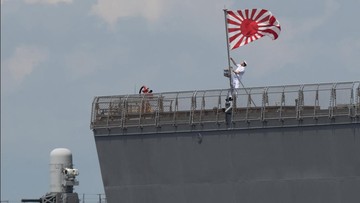
The government of Japan is actively considering the deployment of naval vessels to the Strait of Hormuz, a critical passage for global oil shipping. This potential move comes amid rising tensions in the region, which have raised concerns about the security of vital maritime routes.
Japan’s deliberation follows a series of incidents in the Strait of Hormuz, where numerous oil tankers have faced threats from regional conflicts. The Strait, located between the Persian Gulf and the Gulf of Oman, is a significant chokepoint for oil transport, with approximately 20% of the world’s oil passing through its waters daily.
In light of these developments, Japan’s Ministry of Defense has indicated that such a deployment would aim to safeguard shipping lanes and ensure the safety of Japanese commercial interests. The government has been in discussions about the logistics and implications of sending warships, with officials emphasizing that any action would be aligned with Japan’s pacifist constitution.
The proposed deployment aligns with Japan’s commitment to maintaining international peace and security. According to a spokesperson from the Ministry of Defense, the government is weighing various factors, including potential collaboration with allied nations and the legal framework surrounding military operations abroad.
Japan has historically maintained a cautious approach to military engagement overseas, focusing on humanitarian missions and disaster relief. However, the growing instability in the Middle East is prompting a reassessment of its security policies, particularly in relation to its energy needs.
The Japanese economy heavily relies on oil imports, making the security of the Strait of Hormuz paramount. In 2022, Japan imported approximately 3.5 million barrels of crude oil daily, with a significant portion transiting through this strategic waterway.
As the situation develops, Japan’s decision will likely be influenced by regional dynamics and international partnerships. The government is expected to consult with the United States and other allies to develop a coordinated response to ensure the safety of maritime operations in the area.
While no official timeline has been established for the potential deployment, Japan’s intent to protect its interests in the Strait of Hormuz marks a significant shift in its defense posture. The discussion underscores the complexities of global energy security and the role of military presence in safeguarding crucial trade routes.
In summary, Japan’s possible dispatch of warships to the Strait of Hormuz reflects a proactive stance on ensuring the security of vital oil shipping lanes, amidst rising tensions in the Middle East. As this situation evolves, the implications for regional stability and international relations will be closely monitored by policymakers and analysts alike.

Funko’s Price Target Increased to $4.00 as Analysts React

Humboldt Celebrates as ‘One Battle After Another’ Claims Best Picture

GSK Faces Backlash Over Asthma Inhaler Scrapping, Children Suffer

Adorable Sandhill Crane Colt Hugs Mom in The Villages

USA Unveils Star-Spangled Jerseys Ahead of March Friendlies

Newport Plans Colorful Lighting for Fourth Street Bridge

Sandia Scientists Honored for Innovative Career Journeys

Urgent: Charles M. Payment Passes Away at 78, Memorial Details Inside

NFL Free Agency: Key Moves and Player Signings in Week One

Researchers Launch $1.25M Project for Real-Time Hazard Monitoring in Hawaiʻi

Send It South Revives Culture and Community at The Momentary

UK Government Borrowing Hits £20.2 Billion in September Surge

Flipkart Republic Day Sale: iPhone 16 Plus Price Slashed by ₹23,900

Adecco SA Secures Mixed Ratings from Analysts Amid Earnings Update

Researchers Achieve Record 15.1 mA/cm² Hydrogen Production Efficiency

Globant Reveals Key Tech Forces Shaping Business in 2026

Inventor Achieves Breakthrough with 2 Billion FPS Laser Video

Dua Lipa Aces GCSE Spanish, Sparks Super Bowl Buzz with Fans
-
 Science8 months ago
Researchers Launch $1.25M Project for Real-Time Hazard Monitoring in Hawaiʻi
-
 Entertainment7 months ago
Send It South Revives Culture and Community at The Momentary
-
 World9 months ago
UK Government Borrowing Hits £20.2 Billion in September Surge
-
 Business6 months ago
Flipkart Republic Day Sale: iPhone 16 Plus Price Slashed by ₹23,900
-
 Sports8 months ago
Adecco SA Secures Mixed Ratings from Analysts Amid Earnings Update
-
 Top Stories5 months ago
Researchers Achieve Record 15.1 mA/cm² Hydrogen Production Efficiency
-
 Business8 months ago
Globant Reveals Key Tech Forces Shaping Business in 2026
-
 Science9 months ago
Inventor Achieves Breakthrough with 2 Billion FPS Laser Video
-
 Entertainment10 months ago
Dua Lipa Aces GCSE Spanish, Sparks Super Bowl Buzz with Fans
-

 Top Stories10 months ago
Charlie Sheen’s New Romance: ‘Glowing’ with Younger Partner
-

 Top Stories7 months ago
JSerra Names Hardy Nickerson as First Black Football Coach
-

 Entertainment10 months ago
Olivia Plath Opens Up About Her Marriage Struggles and Divorce