
World
US Air Force’s F-35: A Decade of Dominance and Future Challenges

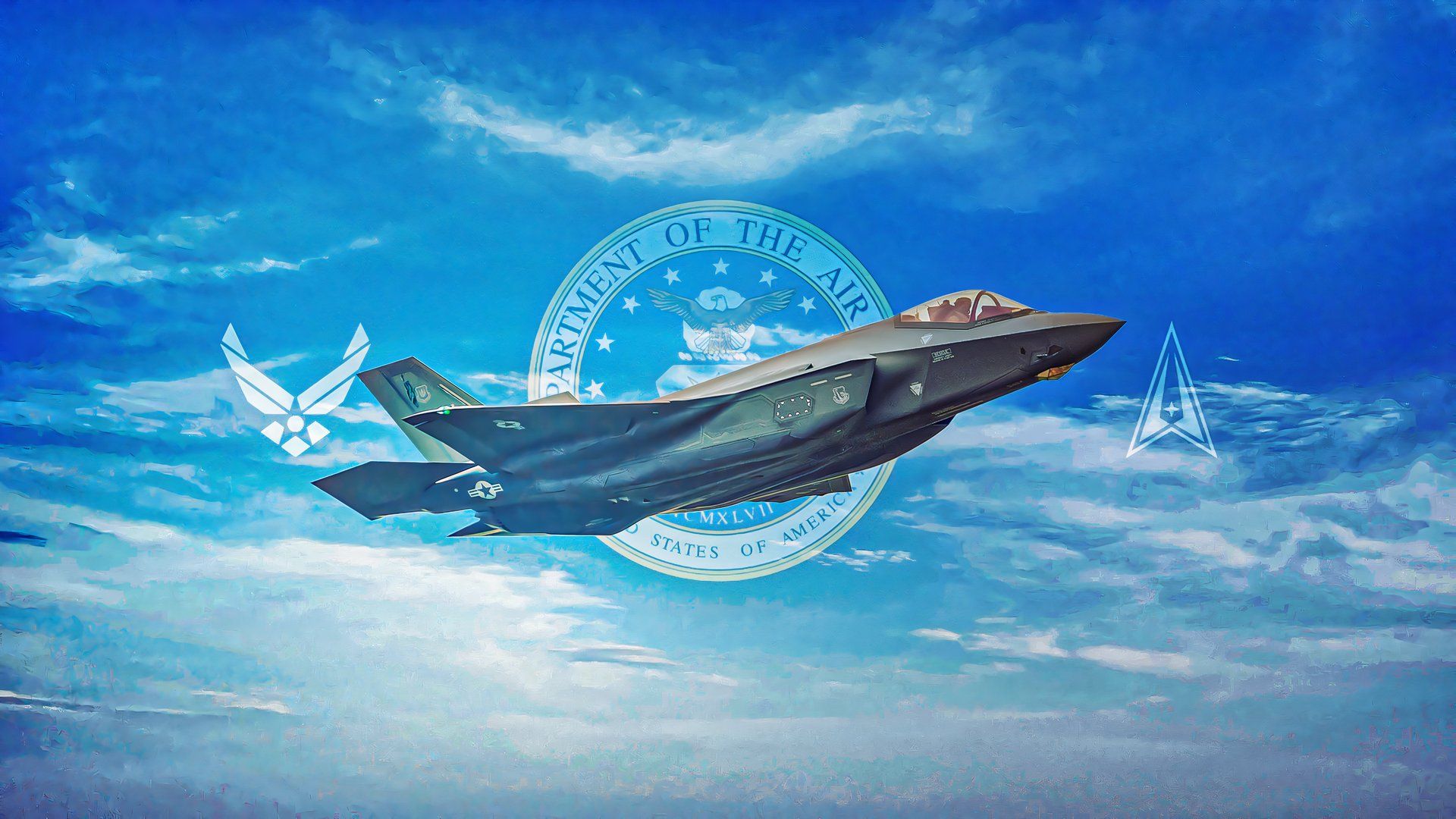
The F-35 Lightning II has solidified its position as a cornerstone of the United States Air Force (USAF) since its entry into service in 2015. Designed to integrate advanced stealth, sensors, and networked warfare capabilities, the F-35 represents a significant advancement in aerial combat technology. However, as global threats evolve and defense budgets face scrutiny, the lifespan and continued relevance of the F-35 are under increasing examination.
The F-35 was developed as part of the Joint Strike Fighter program initiated in the mid-1990s. Aimed at creating a versatile airframe to replace aging aircraft across multiple military branches, the program saw Lockheed Martin‘s X-35 selected over Boeing’s X-32 due to its impressive capabilities, including short takeoff and vertical landing. The first variant, the F-35A, took flight in December 2006, with the USAF officially declaring it operational in August 2016.
Challenges and Financial Implications
Despite its groundbreaking design, the F-35 program has faced significant hurdles. These include cost overruns, technical delays, and ongoing sustainment challenges. Estimates suggest that sustaining the F-35 fleet through its expected lifespan could cost upwards of $1.5 trillion. Such figures have drawn scrutiny from Congress, raising concerns about long-term viability and budgetary constraints.
The F-35’s role extends beyond traditional air-to-air combat; it is integral to electronic warfare, intelligence, surveillance, reconnaissance (ISR), and command and control functions. The aircraft’s ability to share data seamlessly with allied forces enhances its operational effectiveness, making it a vital asset for the USAF and its partners worldwide. Currently, the USAF operates over 400 F-35s, contributing to a total of more than 1,000 units delivered globally, underscoring its widespread adoption.
As military technology progresses, the question arises: how long can the F-35 maintain its edge? Advanced adversary air defense systems and hypersonic threats necessitate continuous upgrades and adaptations. The USAF is eyeing future innovations, with concepts such as Next Generation Air Dominance (NGAD) and its anticipated sixth-generation fighter, the F-47, already in development.
Future Considerations for the F-35
The possibility of the F-35 remaining in service until the 2070s hinges on several factors. The cost and risk associated with developing entirely new aircraft are substantial, and historical data indicates that upgrading existing platforms often proves more efficient. The F-35 possesses established supply chains, operational experience, and a robust international partnership network, making it a practical choice for continued investment.
According to recent assessments from the United States Department of Defense, full-rate production of the F-35 has been approved, emphasizing its ongoing procurement. Incremental modernization efforts, including software and hardware upgrades, aim to enhance the aircraft’s capabilities, ensuring it remains competitive against emerging threats.
The introduction of the F-47 as part of the NGAD initiative marks a significant shift in the Air Force’s strategy. This sixth-generation fighter, designed to operate alongside drones known as Collaborative Combat Aircraft (CCAs), aims to enhance air dominance further. Initial procurement goals for the F-47 are estimated at approximately 185 aircraft, indicating a specialized focus compared to the extensive F-35 fleet.
While the F-35’s future looks promising, it also faces the reality of evolving warfare dynamics. The integration of uncrewed systems alongside crewed fighters signifies a transformative approach to aerial combat. The Air Force is actively developing drone prototypes, such as the XQ-67A and Anduril’s Fury, which could reshape how missions are executed in the coming decades.
In summary, the F-35 Lightning II stands as a testament to modern air combat capabilities. Its ongoing evolution, coupled with advancements in next-generation aircraft, will play a crucial role in shaping the USAF’s future. The balance between maintaining proven platforms like the F-35 and embracing new technologies will determine the trajectory of aerial warfare in the years to come. As the Air Force navigates these challenges, the F-35 remains a pivotal figure, embodying both tradition and innovation in military aviation.

Funko’s Price Target Increased to $4.00 as Analysts React

Humboldt Celebrates as ‘One Battle After Another’ Claims Best Picture

GSK Faces Backlash Over Asthma Inhaler Scrapping, Children Suffer

Adorable Sandhill Crane Colt Hugs Mom in The Villages

USA Unveils Star-Spangled Jerseys Ahead of March Friendlies

Newport Plans Colorful Lighting for Fourth Street Bridge

Sandia Scientists Honored for Innovative Career Journeys

Urgent: Charles M. Payment Passes Away at 78, Memorial Details Inside

NFL Free Agency: Key Moves and Player Signings in Week One

Researchers Launch $1.25M Project for Real-Time Hazard Monitoring in Hawaiʻi

Send It South Revives Culture and Community at The Momentary

UK Government Borrowing Hits £20.2 Billion in September Surge

Flipkart Republic Day Sale: iPhone 16 Plus Price Slashed by ₹23,900

Adecco SA Secures Mixed Ratings from Analysts Amid Earnings Update

Researchers Achieve Record 15.1 mA/cm² Hydrogen Production Efficiency

Globant Reveals Key Tech Forces Shaping Business in 2026

Inventor Achieves Breakthrough with 2 Billion FPS Laser Video

Dua Lipa Aces GCSE Spanish, Sparks Super Bowl Buzz with Fans
-
 Science8 months ago
Researchers Launch $1.25M Project for Real-Time Hazard Monitoring in Hawaiʻi
-
 Entertainment7 months ago
Send It South Revives Culture and Community at The Momentary
-
 World9 months ago
UK Government Borrowing Hits £20.2 Billion in September Surge
-
 Business6 months ago
Flipkart Republic Day Sale: iPhone 16 Plus Price Slashed by ₹23,900
-
 Sports8 months ago
Adecco SA Secures Mixed Ratings from Analysts Amid Earnings Update
-
 Top Stories5 months ago
Researchers Achieve Record 15.1 mA/cm² Hydrogen Production Efficiency
-
 Business8 months ago
Globant Reveals Key Tech Forces Shaping Business in 2026
-
 Science9 months ago
Inventor Achieves Breakthrough with 2 Billion FPS Laser Video
-
 Entertainment10 months ago
Dua Lipa Aces GCSE Spanish, Sparks Super Bowl Buzz with Fans
-

 Top Stories10 months ago
Charlie Sheen’s New Romance: ‘Glowing’ with Younger Partner
-

 Top Stories7 months ago
JSerra Names Hardy Nickerson as First Black Football Coach
-

 Entertainment10 months ago
Olivia Plath Opens Up About Her Marriage Struggles and Divorce