
Business
Deep-Sea Mining Faces Increased Scrutiny Amid Environmental Concerns

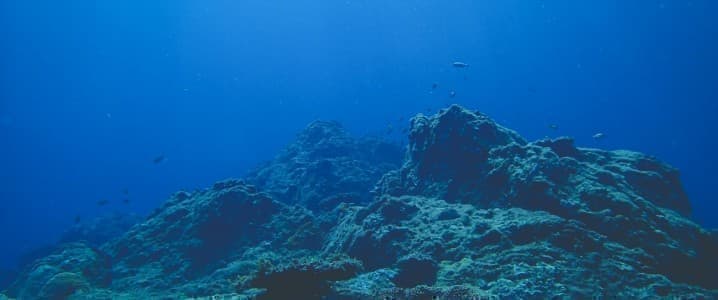
The growing global demand for critical minerals has intensified discussions surrounding the potential for deep-sea mining. Governments are exploring innovative ways to access these resources, yet significant concerns over environmental damage have led to a cautious approach. Recent findings suggest that the impact of mining operations on marine ecosystems could result in an indefinite pause for commercial mining initiatives.
A study published in December 2023 and funded by The Metals Company revealed alarming effects of seabed mining on marine life. Researchers from the Natural History Museum in London conducted tests in the Clarion-Clipperton Zone, a region of the Pacific Ocean known for its rich deposits of nickel, cobalt, copper, and manganese. The study showed a 37 percent decrease in the populations of worms, crustaceans, and other small marine animals following a mining test at a depth of 4,000 metres.
The Metals Company has invested approximately $250 million in environmental studies to assess the impact of seabed mining. These studies are essential for compiling the environmental impact statements required for regulatory approvals. Although 31 exploration licences have been issued by the UN International Seabed Authority, commercial mining has not yet been sanctioned.
Seabed mining involves using autonomous vehicles to extract mineral-rich nodules from the ocean floor, which are then transported to ships for processing. The Metals Company anticipates gaining approval to mine 1.5 million tons of nodules in its first year of operation. Despite the recent study’s findings, the company expressed optimism, noting that the observed reduction in marine populations was lower than anticipated and that they expect recovery over time. Moreover, they plan to leave around 10 percent of the nodules in place during mining operations.
Scientific understanding of deep-sea ecosystems has evolved significantly. Previously, researchers assumed that extreme conditions and nutrient scarcity meant limited marine life existed at great depths. However, the December study identified 788 species of macrofauna in the Clarion-Clipperton Zone, highlighting the biodiversity that could be at risk. Lead author Eva Stewart noted, “We’ve actually only sampled such a tiny proportion of the deep sea. There could be thousands of species waiting to be discovered; we just haven’t seen them yet.”
The sediment released during the mining test was also found to affect the food supply for zooplankton and small squid, raising concerns about the potential starvation of broader marine food webs. In response to these findings, The Metals Company indicated it could modify its operational plans to release waste material at depths of 800 metres, aiming to avoid disrupting areas abundant in zooplankton.
Critics have raised alarms about the sustainability of current mining technologies. Patrick Schröder, a senior research fellow at the Environment and Society Centre at Chatham House, stated, “I think the study shows that current technologies for harvesting are too damaging to permit large-scale commercial exploration. These were only tests, and the impact was significant. If they did that at large scale, it would be even more damaging.”
Long-term assessments of earlier deep-sea mining sites indicate that biodiversity losses can persist for decades. Approximately 30 percent of the small seabed animals depend on mineral-rich nodules for survival, which raises further concerns about the ecological implications of mining activities.
Despite these environmental challenges, the allure of deep-sea mining remains strong. Currently, 37 countries have supported a temporary ban on seabed mining, while Norway has recently postponed its own mining plans, particularly in the Arctic region. In contrast, U.S. President Donald Trump announced plans in April to expedite domestic and international mining projects to secure the nation’s critical mineral supply chain. Trump stated, “Vast offshore seabed areas hold critical minerals and energy resources. These resources are key to strengthening our economy, securing our energy future, and reducing dependence on foreign suppliers for critical minerals.”
As the debate intensifies, the findings of recent studies may deter some nations from pursuing deep-sea mining. However, the push for seabed projects continues among those who regard them as essential for a stable supply of critical minerals. The divide in opinion highlights a complex interplay between economic interests and environmental stewardship, prompting ongoing discussions about the future of deep-sea mining and its impact on marine ecosystems.

Funko’s Price Target Increased to $4.00 as Analysts React

Humboldt Celebrates as ‘One Battle After Another’ Claims Best Picture

GSK Faces Backlash Over Asthma Inhaler Scrapping, Children Suffer

Adorable Sandhill Crane Colt Hugs Mom in The Villages

USA Unveils Star-Spangled Jerseys Ahead of March Friendlies

Newport Plans Colorful Lighting for Fourth Street Bridge

Sandia Scientists Honored for Innovative Career Journeys

Urgent: Charles M. Payment Passes Away at 78, Memorial Details Inside

NFL Free Agency: Key Moves and Player Signings in Week One

Researchers Launch $1.25M Project for Real-Time Hazard Monitoring in Hawaiʻi

Send It South Revives Culture and Community at The Momentary

UK Government Borrowing Hits £20.2 Billion in September Surge

Flipkart Republic Day Sale: iPhone 16 Plus Price Slashed by ₹23,900

Adecco SA Secures Mixed Ratings from Analysts Amid Earnings Update

Researchers Achieve Record 15.1 mA/cm² Hydrogen Production Efficiency

Globant Reveals Key Tech Forces Shaping Business in 2026

Inventor Achieves Breakthrough with 2 Billion FPS Laser Video

Dua Lipa Aces GCSE Spanish, Sparks Super Bowl Buzz with Fans
-
 Science8 months ago
Researchers Launch $1.25M Project for Real-Time Hazard Monitoring in Hawaiʻi
-
 Entertainment7 months ago
Send It South Revives Culture and Community at The Momentary
-
 World10 months ago
UK Government Borrowing Hits £20.2 Billion in September Surge
-
 Business6 months ago
Flipkart Republic Day Sale: iPhone 16 Plus Price Slashed by ₹23,900
-
 Sports8 months ago
Adecco SA Secures Mixed Ratings from Analysts Amid Earnings Update
-
 Top Stories5 months ago
Researchers Achieve Record 15.1 mA/cm² Hydrogen Production Efficiency
-
 Business8 months ago
Globant Reveals Key Tech Forces Shaping Business in 2026
-
 Science10 months ago
Inventor Achieves Breakthrough with 2 Billion FPS Laser Video
-
 Entertainment10 months ago
Dua Lipa Aces GCSE Spanish, Sparks Super Bowl Buzz with Fans
-

 Top Stories10 months ago
Charlie Sheen’s New Romance: ‘Glowing’ with Younger Partner
-

 Top Stories8 months ago
JSerra Names Hardy Nickerson as First Black Football Coach
-

 Health10 months ago
Community Unites for 7th Annual Into the Light Walk for Mental Health