
Politics
Wildfires in Los Angeles Highlight Need for Community Preparedness

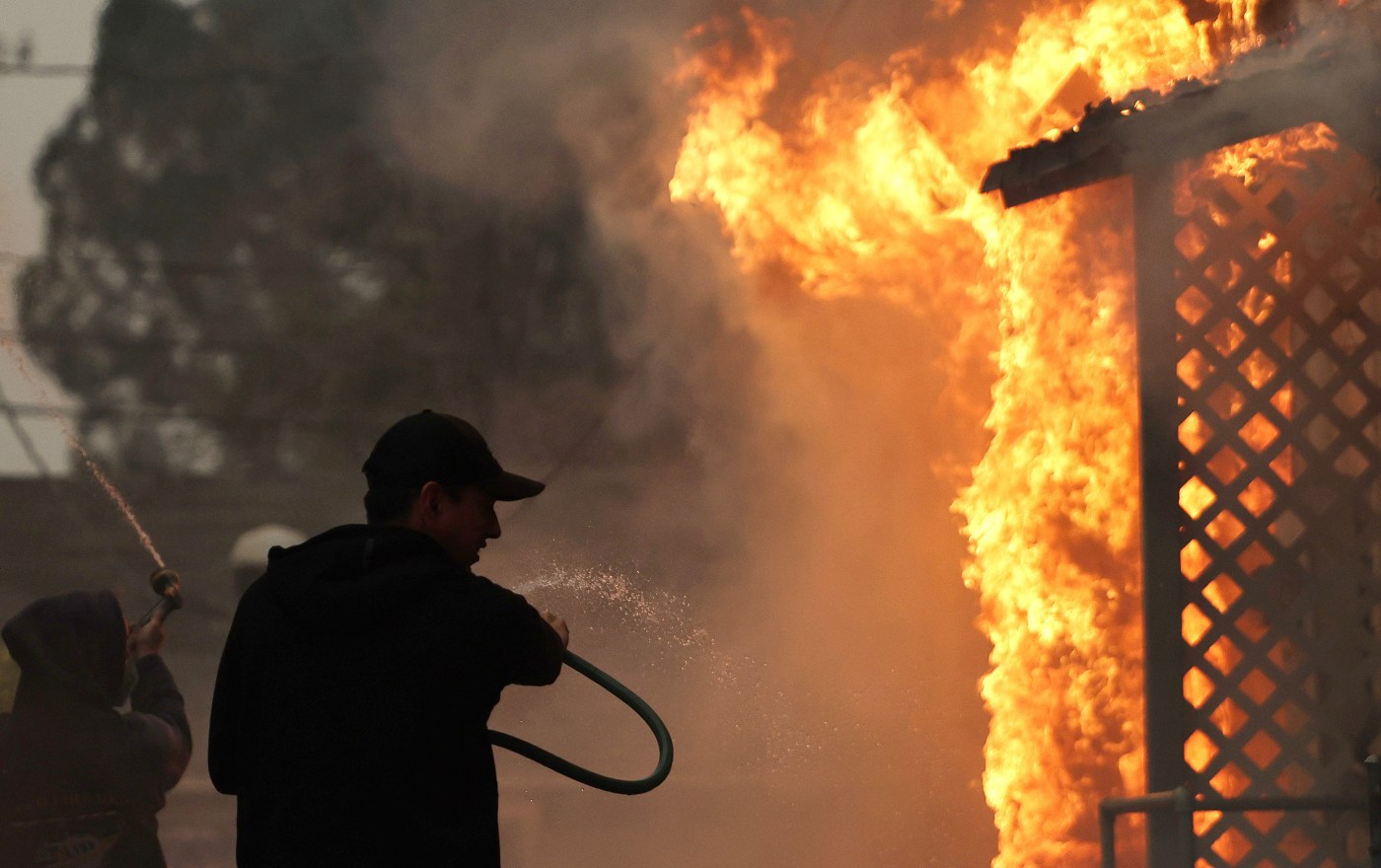
On January 7, 2025, devastating wildfires swept through the Los Angeles area, fueled by powerful winds. Over three weeks, these fires destroyed more than 16,000 homes and businesses and resulted in at least 31 fatalities. The aftermath left many residents grappling with not only the loss of property but also the emotional toll of the disaster. In the face of such destruction, community bonds strengthened as neighbors came together to help one another, demonstrating the critical role of neighborliness in wildfire safety.
As Los Angeles begins its recovery, discussions are shifting towards improving zoning regulations, building codes, insurance policies, and emergency communication systems. Yet, addressing wildfire risks extends beyond structural changes; it fundamentally involves fostering a sense of community. Residents are increasingly recognizing the importance of caring for one another, which includes taking proactive measures on personal properties to minimize risks to neighbors.
Building a Culture of Community Preparedness
Being neighborly encompasses a collective awareness of fire risks and shared strategies for mitigation. During the wildfires, interconnected homes, fences, and dry vegetation acted as fuel for rapidly spreading flames. It is essential for residents to take responsibility for their own properties by following guidelines from fire officials. This includes clearing defensible space around homes, replacing flammable plants, and removing burnable materials like wooden fences.
Moreover, the psychological impacts of wildfires cannot be overlooked. Survivors often face significant emotional challenges, making neighborly support paramount. Listening to those affected and offering assistance can foster a resilient community, where neighbors are the first line of defense in emergencies, often providing crucial help before formal responders arrive.
Educational Initiatives for Future Generations
Schools play a vital role in cultivating neighborliness and fire awareness among young people. Community-based K-12 institutions are ideal settings for teaching fire safety, history, and preparedness. Understanding the ecological role of fire and historical responses to wildfires can reshape perspectives on fire management.
Currently, the California Department of Education Framework and Content Standards offer limited opportunities for engaging lessons on wildfire causes and preparedness. For instance, while fourth-grade history standards include the impact of physical environments on human activity, wildfire education remains insufficient. Expanding fire safety education to include the interconnectedness of communities could empower students to take this knowledge home and influence their families.
Programs like the collaboration between the U.S. Fire Administration and Sesame Workshop demonstrate the potential for effective fire safety education. By integrating knowledge from Indigenous elders, fire management professionals, and community members, schools can provide a more comprehensive understanding of fire risks and the importance of community involvement in safety practices.
As Los Angeles works toward recovery from the 2025 fires, it is crucial for fire-prone states to enhance education regarding wildfire preparedness and the significance of neighborliness.
Looking Forward: A Call for Collective Memory and Action
The need for neighborliness is underscored by the reality that wildfires will recur. There exists a dangerous forgetfulness regarding the region’s vulnerability to natural disasters. Southern California, often perceived as a haven, must confront the environmental challenges exacerbated by climate change.
Teaching students about past disasters and fostering a culture of preparedness is essential for reducing future risks. Living with fire entails acknowledging history and promoting community engagement. Such awareness not only saves lives but also strengthens the fabric of neighborhoods that can withstand the pressures of natural disasters.
Elizabeth A. Logan serves as the associate director of the Huntington-USC Institute on California and The West at USC Dornsife College of Letters, Arts and Sciences, while William Deverell is a professor of history at the same institute.

Funko’s Price Target Increased to $4.00 as Analysts React

Humboldt Celebrates as ‘One Battle After Another’ Claims Best Picture

GSK Faces Backlash Over Asthma Inhaler Scrapping, Children Suffer

Adorable Sandhill Crane Colt Hugs Mom in The Villages

USA Unveils Star-Spangled Jerseys Ahead of March Friendlies

Newport Plans Colorful Lighting for Fourth Street Bridge

Sandia Scientists Honored for Innovative Career Journeys

Urgent: Charles M. Payment Passes Away at 78, Memorial Details Inside

NFL Free Agency: Key Moves and Player Signings in Week One

Researchers Launch $1.25M Project for Real-Time Hazard Monitoring in Hawaiʻi

Send It South Revives Culture and Community at The Momentary

UK Government Borrowing Hits £20.2 Billion in September Surge

Flipkart Republic Day Sale: iPhone 16 Plus Price Slashed by ₹23,900

Adecco SA Secures Mixed Ratings from Analysts Amid Earnings Update

Researchers Achieve Record 15.1 mA/cm² Hydrogen Production Efficiency

Globant Reveals Key Tech Forces Shaping Business in 2026

Dua Lipa Aces GCSE Spanish, Sparks Super Bowl Buzz with Fans

Inventor Achieves Breakthrough with 2 Billion FPS Laser Video
-
 Science8 months ago
Researchers Launch $1.25M Project for Real-Time Hazard Monitoring in Hawaiʻi
-
 Entertainment7 months ago
Send It South Revives Culture and Community at The Momentary
-
 World10 months ago
UK Government Borrowing Hits £20.2 Billion in September Surge
-
 Business6 months ago
Flipkart Republic Day Sale: iPhone 16 Plus Price Slashed by ₹23,900
-
 Sports8 months ago
Adecco SA Secures Mixed Ratings from Analysts Amid Earnings Update
-
 Top Stories5 months ago
Researchers Achieve Record 15.1 mA/cm² Hydrogen Production Efficiency
-
 Business8 months ago
Globant Reveals Key Tech Forces Shaping Business in 2026
-
 Entertainment10 months ago
Dua Lipa Aces GCSE Spanish, Sparks Super Bowl Buzz with Fans
-
 Science10 months ago
Inventor Achieves Breakthrough with 2 Billion FPS Laser Video
-

 Top Stories10 months ago
Charlie Sheen’s New Romance: ‘Glowing’ with Younger Partner
-

 Top Stories8 months ago
JSerra Names Hardy Nickerson as First Black Football Coach
-

 Health10 months ago
Community Unites for 7th Annual Into the Light Walk for Mental Health