
Business
NYC Congestion Pricing Cuts Traffic by 11% and Generates $550 Million

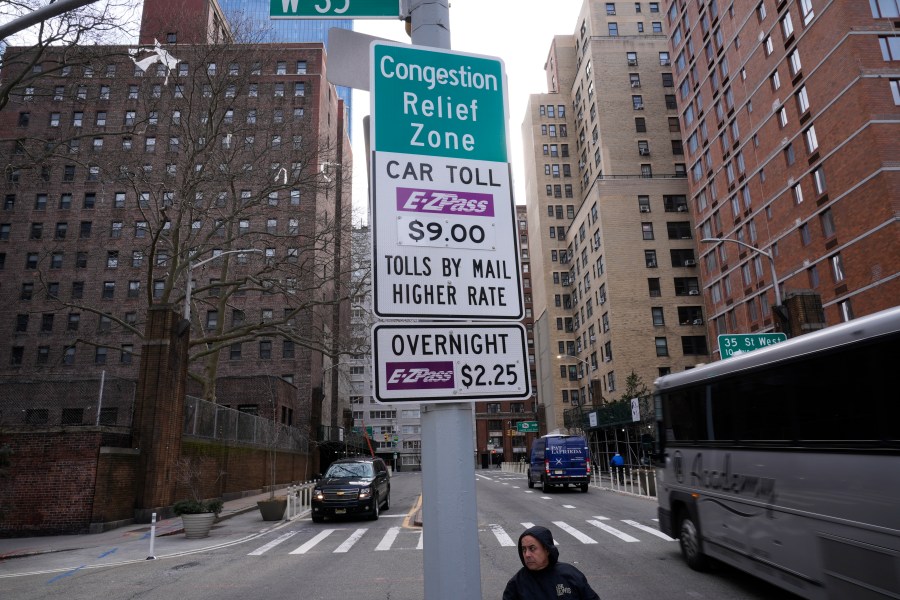
New York City’s congestion pricing program has achieved a significant milestone in its first year, reducing traffic by 11% and generating approximately $550 million in revenue. Governor Kathy Hochul announced these results, highlighting the program’s potential to enhance safety for cyclists and pedestrians within the city. Despite these positive outcomes, the initiative faces ongoing resistance from suburban drivers and political factions in both New Jersey and among federal representatives.
The congestion pricing plan, implemented in March 2023, aimed to tackle traffic congestion in Manhattan, particularly during peak hours. By charging vehicles entering designated zones, the city not only seeks to alleviate congestion but also to fund public transit improvements. According to Governor Hochul, the revenue generated will play a critical role in enhancing the transit infrastructure, which has been under pressure for years.
Opposition to the program remains strong, especially among those who commute from surrounding suburbs. Critics argue that the fees unfairly burden drivers who rely on their vehicles for daily commutes. Furthermore, some New Jersey officials have voiced concerns about the economic impact on their residents, fearing that increased costs will deter individuals from traveling to New York City for work or leisure.
Yet, evidence from the program’s initial outcomes suggests a shift in urban mobility patterns. The 11% reduction in traffic congestion indicates that some drivers are reconsidering their commuting options, potentially opting for public transport or alternative travel times. Governor Hochul pointed out that the program has also contributed to a safer environment for those who walk or cycle, with fewer accidents reported in the congested areas.
Supporters of the congestion pricing initiative maintain that the benefits extend beyond just financial gains. The reduction in vehicle volume has led to improved air quality and a more pleasant urban environment. As pedestrian safety becomes increasingly prioritized in urban planning, this program is viewed as a step toward a more sustainable city.
Moving forward, the success of the congestion pricing program could serve as a model for other cities grappling with similar traffic issues. As urban areas continue to grow, innovative solutions like this may become essential in managing congestion and enhancing the quality of life for residents.
Governor Hochul remains optimistic about the future of the program, stating that it marks a transformative moment for New York City. Her administration plans to closely monitor its impacts and adjust the approach as necessary to ensure that the program benefits all city residents, including those who oppose it.
In conclusion, New York City’s congestion pricing program represents a significant policy experiment in urban traffic management. With an 11% decrease in traffic and $550 million raised in its first year, the initiative demonstrates both the challenges and opportunities of modern urban planning. As the city navigates the complexities of congestion and transportation funding, the results of this program will likely influence similar initiatives across the globe.

Funko’s Price Target Increased to $4.00 as Analysts React

Humboldt Celebrates as ‘One Battle After Another’ Claims Best Picture

GSK Faces Backlash Over Asthma Inhaler Scrapping, Children Suffer

Adorable Sandhill Crane Colt Hugs Mom in The Villages

USA Unveils Star-Spangled Jerseys Ahead of March Friendlies

Newport Plans Colorful Lighting for Fourth Street Bridge

Sandia Scientists Honored for Innovative Career Journeys

Urgent: Charles M. Payment Passes Away at 78, Memorial Details Inside

NFL Free Agency: Key Moves and Player Signings in Week One

Researchers Launch $1.25M Project for Real-Time Hazard Monitoring in Hawaiʻi

Send It South Revives Culture and Community at The Momentary

UK Government Borrowing Hits £20.2 Billion in September Surge

Flipkart Republic Day Sale: iPhone 16 Plus Price Slashed by ₹23,900

Adecco SA Secures Mixed Ratings from Analysts Amid Earnings Update

Researchers Achieve Record 15.1 mA/cm² Hydrogen Production Efficiency

Globant Reveals Key Tech Forces Shaping Business in 2026

Dua Lipa Aces GCSE Spanish, Sparks Super Bowl Buzz with Fans

Inventor Achieves Breakthrough with 2 Billion FPS Laser Video
-
 Science8 months ago
Researchers Launch $1.25M Project for Real-Time Hazard Monitoring in Hawaiʻi
-
 Entertainment7 months ago
Send It South Revives Culture and Community at The Momentary
-
 World9 months ago
UK Government Borrowing Hits £20.2 Billion in September Surge
-
 Business6 months ago
Flipkart Republic Day Sale: iPhone 16 Plus Price Slashed by ₹23,900
-
 Sports8 months ago
Adecco SA Secures Mixed Ratings from Analysts Amid Earnings Update
-
 Top Stories5 months ago
Researchers Achieve Record 15.1 mA/cm² Hydrogen Production Efficiency
-
 Business8 months ago
Globant Reveals Key Tech Forces Shaping Business in 2026
-
 Entertainment10 months ago
Dua Lipa Aces GCSE Spanish, Sparks Super Bowl Buzz with Fans
-
 Science10 months ago
Inventor Achieves Breakthrough with 2 Billion FPS Laser Video
-

 Top Stories10 months ago
Charlie Sheen’s New Romance: ‘Glowing’ with Younger Partner
-

 Top Stories8 months ago
JSerra Names Hardy Nickerson as First Black Football Coach
-

 Health10 months ago
Community Unites for 7th Annual Into the Light Walk for Mental Health