
Business
Trump’s Bitcoin Reserve Initiative Faces Delays as States Act

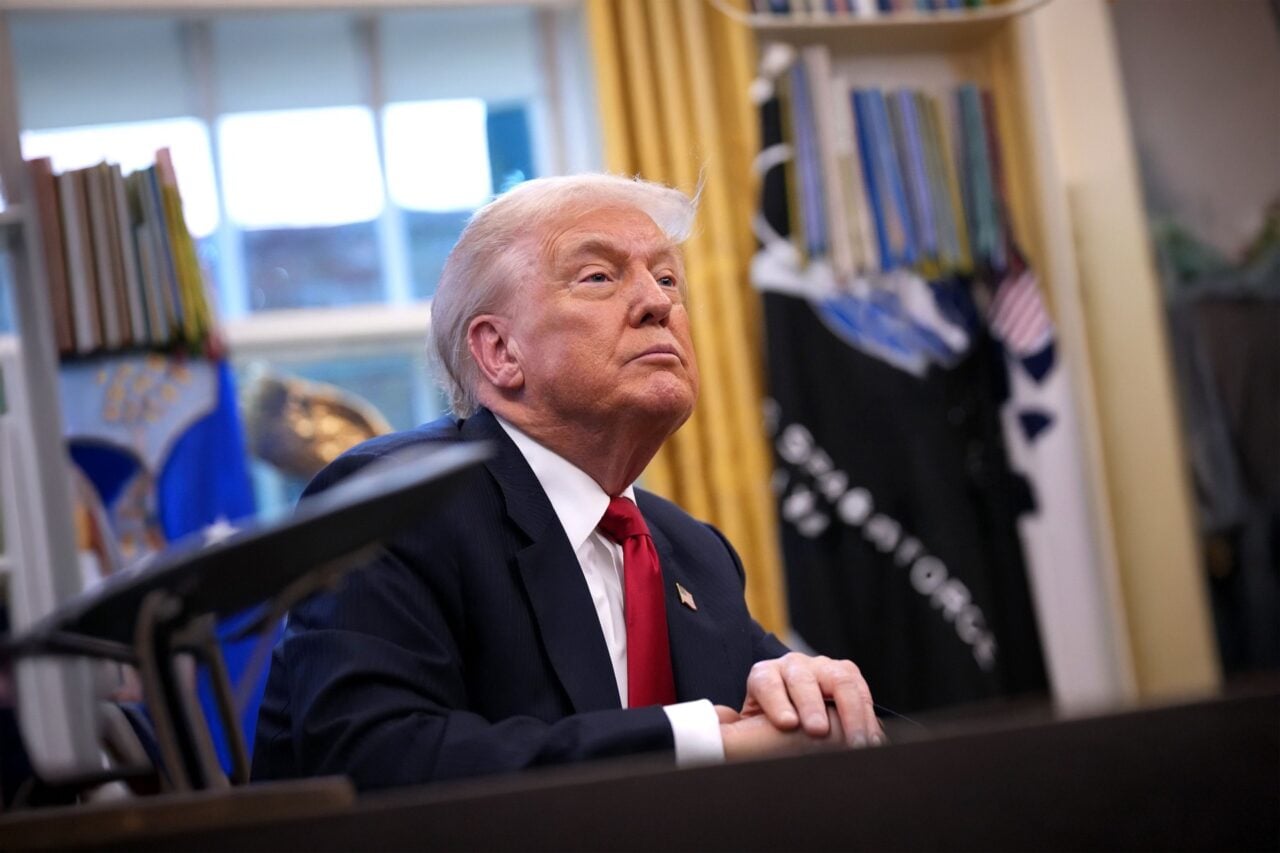
During his campaign for the 2024 U.S. presidential election, Donald Trump proposed the creation of a strategic bitcoin reserve should he win. This initiative, announced at the Bitcoin 2024 conference in Nashville, Tennessee, aims to position the United States as the leading hub for cryptocurrency. Trump envisions this reserve functioning similarly to the gold reserves held by the United States at Fort Knox, with bitcoin regarded as “digital gold,” capable of maintaining its value over time.
If established, the reserve would initially utilize bitcoin seized during law enforcement operations, with plans to expand it through budget-neutral methods. This approach, however, has garnered mixed reactions within the cryptocurrency community. Some critics argue that sourcing bitcoin from law enforcement actions, particularly those involving open-source developers, undermines the ethos of decentralization that many bitcoin advocates cherish.
State-Level Initiatives Gain Traction
As the implementation of Trump’s federal bitcoin reserve remains uncertain nearly a year after the executive order, several states are actively pursuing their own bitcoin reserves. According to Bitcoin Laws, three states—Arizona, New Hampshire, and Texas—have already enacted legislation for creating state-level reserves. Texas stands out as the only state that has begun purchasing bitcoin for its reserve.
Recent developments indicate that other states are also exploring similar measures. Bills aimed at establishing bitcoin reserves were recently introduced in Florida and West Virginia, reflecting a broader trend towards the acceptance of bitcoin as a legitimate asset class. This movement aligns with global efforts, as seen in nations like El Salvador and Bhutan, which have established their own bitcoin reserves.
Patrick Witt, Executive Director of the President’s Council of Advisors for Digital Assets, has reiterated that the implementation of the federal bitcoin reserve remains a priority. In a recent interview, he stated, “We’re continuing to push on that. It is certainly still on the priority list.” Witt also noted ongoing legal discussions regarding which agencies hold the authority to implement the reserve, indicating that more information will be forthcoming.
Broader Implications for Cryptocurrency
Despite the focus on a federal bitcoin reserve, the Trump administration has leaned towards more centralized cryptocurrency aspects, particularly through stablecoin regulation via the GENIUS Act. The administration’s approach contrasts with the decentralized ideals espoused by many bitcoin supporters, which could lead to tensions within the community.
Additionally, Trump’s ties to various businesses raise concerns about potential conflicts of interest and allegations of profit-driven motives. As the federal initiative lags, the actions of state governments may set a precedent for the broader adoption of bitcoin as a store of value.
Notably, financial institutions are also responding to the growing interest in bitcoin. Morgan Stanley has announced plans to create its own bitcoin exchange-traded fund (ETF), following the success of BlackRock’s iShares Bitcoin Trust. This shift has led to increased participation from institutional investors, including state pension funds and university endowments, such as Harvard’s, which have begun allocating assets to cryptocurrencies.
The evolving landscape of cryptocurrency, driven by both federal and state initiatives, underscores a pivotal moment in the integration of digital assets into mainstream financial systems. As developments unfold, the implications for investors, policymakers, and the general public remain significant, reflecting a dynamic intersection of technology, finance, and governance.

Funko’s Price Target Increased to $4.00 as Analysts React

Humboldt Celebrates as ‘One Battle After Another’ Claims Best Picture

GSK Faces Backlash Over Asthma Inhaler Scrapping, Children Suffer

Adorable Sandhill Crane Colt Hugs Mom in The Villages

USA Unveils Star-Spangled Jerseys Ahead of March Friendlies

Newport Plans Colorful Lighting for Fourth Street Bridge

Sandia Scientists Honored for Innovative Career Journeys

Urgent: Charles M. Payment Passes Away at 78, Memorial Details Inside

NFL Free Agency: Key Moves and Player Signings in Week One

Researchers Launch $1.25M Project for Real-Time Hazard Monitoring in Hawaiʻi

Send It South Revives Culture and Community at The Momentary

UK Government Borrowing Hits £20.2 Billion in September Surge

Flipkart Republic Day Sale: iPhone 16 Plus Price Slashed by ₹23,900

Adecco SA Secures Mixed Ratings from Analysts Amid Earnings Update

Researchers Achieve Record 15.1 mA/cm² Hydrogen Production Efficiency

Globant Reveals Key Tech Forces Shaping Business in 2026

Dua Lipa Aces GCSE Spanish, Sparks Super Bowl Buzz with Fans

Inventor Achieves Breakthrough with 2 Billion FPS Laser Video
-
 Science8 months ago
Researchers Launch $1.25M Project for Real-Time Hazard Monitoring in Hawaiʻi
-
 Entertainment7 months ago
Send It South Revives Culture and Community at The Momentary
-
 World9 months ago
UK Government Borrowing Hits £20.2 Billion in September Surge
-
 Business6 months ago
Flipkart Republic Day Sale: iPhone 16 Plus Price Slashed by ₹23,900
-
 Sports8 months ago
Adecco SA Secures Mixed Ratings from Analysts Amid Earnings Update
-
 Top Stories5 months ago
Researchers Achieve Record 15.1 mA/cm² Hydrogen Production Efficiency
-
 Business8 months ago
Globant Reveals Key Tech Forces Shaping Business in 2026
-
 Entertainment10 months ago
Dua Lipa Aces GCSE Spanish, Sparks Super Bowl Buzz with Fans
-
 Science10 months ago
Inventor Achieves Breakthrough with 2 Billion FPS Laser Video
-

 Top Stories10 months ago
Charlie Sheen’s New Romance: ‘Glowing’ with Younger Partner
-

 Top Stories8 months ago
JSerra Names Hardy Nickerson as First Black Football Coach
-

 Health10 months ago
Community Unites for 7th Annual Into the Light Walk for Mental Health