
Entertainment
Comic-Con Bans AI Art as Artists Unite Against Machine Influence

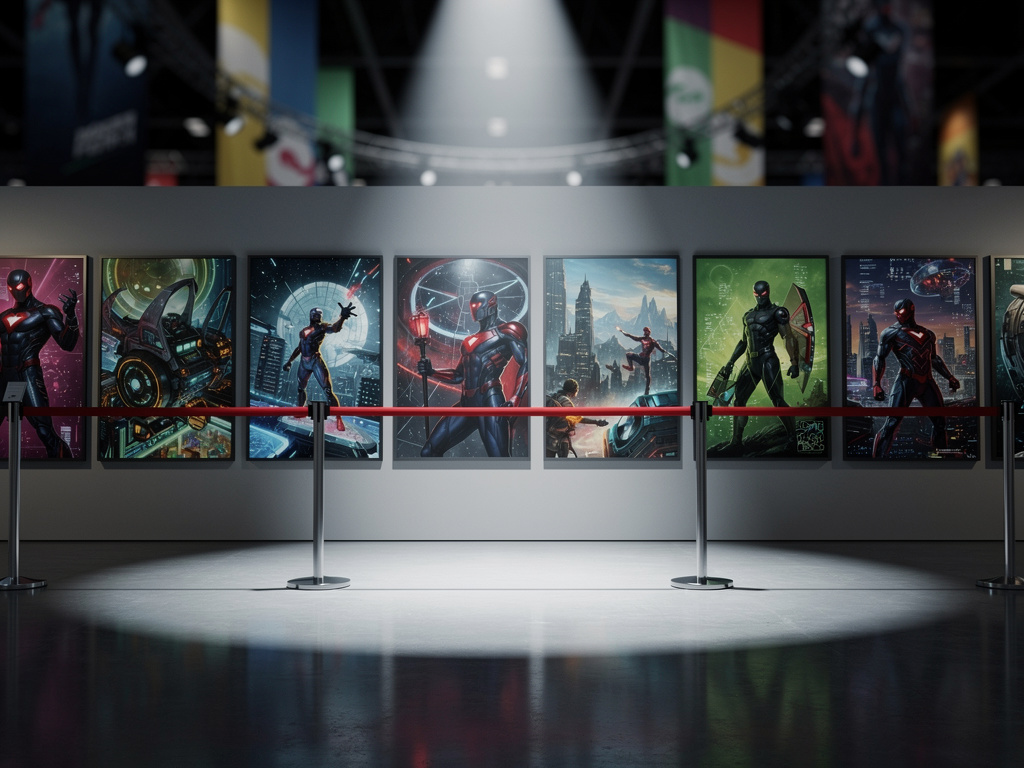
San Diego Comic-Con has officially prohibited the inclusion of artificial intelligence-generated art in its upcoming 2026 event. This decision follows a rapid backlash from artists who expressed concern over generative tools such as Midjourney and Stable Diffusion encroaching on creative spaces. The updated rules clearly state that “material created by Artificial Intelligence (AI) either partially or wholly, is not allowed in the art show,” marking a significant policy shift from previous years.
Previously, the Comic-Con art show, held at the Manchester Grand Hyatt, permitted AI-generated works under strict conditions: items could not be sold, must be clearly marked, and had to credit any styles used. These guidelines had been in place since at least 2024, a time when the excitement around AI was just beginning to grow. However, as the technology advanced, concerns about its impact on traditional artistry intensified. Following an outcry that began in early January 2026, organizers acted swiftly, with Art Show Coordinator Glen Wooten confirming the ban via email to concerned artists.
Artists Rally Against AI Inclusion
The response from the artistic community was immediate and passionate. Concept artist Karla Ortiz, who has worked with major studios, was vocal in her criticism. “Comic-Con deciding to allow GenAI imagery in the art show—giving valuable space to GenAI users to show slop right NEXT to actual artists who worked their asses off to be there—is a disgrace!” Ortiz shared on Bluesky. She emphasized that Comic-Con serves as a significant hub for comic artists, illustrators, and writers, and that allowing AI art felt like a betrayal, particularly as many artists face dwindling opportunities due to studios increasingly turning to AI for creative processes.
Comic artist Tiana Oreglia also raised her concerns, warning that permitting AI art could lead to a slippery slope. “I think we should be standing firm especially with institutions like Comic-Con which are quite literally built off the backs of artists,” she stated in an interview with 404 Media. Other artists echoed this sentiment, with Ron Marz calling the situation “gross” and Tyler Crook declaring he would not submit work if AI was included. Jim Zub, a renowned writer for Conan the Barbarian comics, highlighted the importance of human creativity at the event, stating, “The excitement that generates isn’t because they’re eager to meet a computer spitting out homogenized slop.”
Organizer’s Decision Reflects Broader Industry Concerns
Wooten elaborated on the rationale behind the policy change in communications shared with The Comics Beat. The former rules were designed to discourage AI art submissions by prohibiting sales. Wooten explained, “Those two sentences have been in the rules for a few years to make people not want to put AI art in… It has worked—no one has put AI artwork in. But the issue is becoming more of a problem, so more strident language is necessary: NO! Plain and simple.” He also expressed his personal disdain for “regurgitated AI artwork,” noting that his wife is an artist.
The art show, which saw 116 artists sell over 800 items during the previous year’s event, underscores Comic-Con’s roots in celebrating human creativity. The show, which is associated with the prestigious Will Eisner Awards, has become a vital platform for both new and established artists. While Comic-Con International did not release a formal statement regarding the ban, sources indicate the decision was influenced by shifting perceptions of AI in the creative industry.
Concerns about AI’s encroachment on the arts are not limited to Comic-Con. High-profile instances, such as Marvel’s AI-generated title sequence for *Secret Invasion* and Netflix’s use of AI in *El Eternauta*, have fueled apprehension among artists. As Ortiz pointed out, projects are being expedited with AI, which can lead to job reductions and a decline in artistic integrity.
The recent 2023 actors’ strike also highlighted similar threats across Hollywood, with DC Comics asserting its stance against AI in storytelling and art. President Jim Lee declared, “not now, not ever,” emphasizing the need to preserve authenticity in the creative process.
Comic-Con’s ban aligns it with other conventions taking a stand against AI, such as GalaxyCon, which implemented a zero-tolerance policy for AI-generated art. Following the eviction of an AI vendor at Dragon Con, GalaxyCon reaffirmed its commitment to supporting artists. Other events, including Emerald City Comic Con and ReedPop events like New York Comic Con, have similarly prohibited AI sales on exhibit floors.
Despite these measures, there remains inconsistency in enforcement; some venues, like Fanexpo SF, have allowed AI in dealers’ halls. The mixed policies across different conventions raise questions about the future of art shows and the role of AI in these spaces.
As Comic-Con 2026 approaches, scheduled for July 23-26, the focus will be on compliance and the effectiveness of the ban in safeguarding human artistry. The episode serves as a reminder of the power artists hold when united, but also highlights the challenges of verifying authenticity in an increasingly digital landscape. The evolving dialogue around AI in the creative industry reflects a critical juncture for conventions balancing fan appeal with creator loyalty.

Funko’s Price Target Increased to $4.00 as Analysts React

Humboldt Celebrates as ‘One Battle After Another’ Claims Best Picture

GSK Faces Backlash Over Asthma Inhaler Scrapping, Children Suffer

Adorable Sandhill Crane Colt Hugs Mom in The Villages

USA Unveils Star-Spangled Jerseys Ahead of March Friendlies

Newport Plans Colorful Lighting for Fourth Street Bridge

Sandia Scientists Honored for Innovative Career Journeys

Urgent: Charles M. Payment Passes Away at 78, Memorial Details Inside

NFL Free Agency: Key Moves and Player Signings in Week One

Researchers Launch $1.25M Project for Real-Time Hazard Monitoring in Hawaiʻi

Send It South Revives Culture and Community at The Momentary

UK Government Borrowing Hits £20.2 Billion in September Surge

Flipkart Republic Day Sale: iPhone 16 Plus Price Slashed by ₹23,900

Adecco SA Secures Mixed Ratings from Analysts Amid Earnings Update

Researchers Achieve Record 15.1 mA/cm² Hydrogen Production Efficiency

Globant Reveals Key Tech Forces Shaping Business in 2026

Inventor Achieves Breakthrough with 2 Billion FPS Laser Video

Dua Lipa Aces GCSE Spanish, Sparks Super Bowl Buzz with Fans
-
 Science8 months ago
Researchers Launch $1.25M Project for Real-Time Hazard Monitoring in Hawaiʻi
-
 Entertainment7 months ago
Send It South Revives Culture and Community at The Momentary
-
 World10 months ago
UK Government Borrowing Hits £20.2 Billion in September Surge
-
 Business6 months ago
Flipkart Republic Day Sale: iPhone 16 Plus Price Slashed by ₹23,900
-
 Sports8 months ago
Adecco SA Secures Mixed Ratings from Analysts Amid Earnings Update
-
 Top Stories5 months ago
Researchers Achieve Record 15.1 mA/cm² Hydrogen Production Efficiency
-
 Business8 months ago
Globant Reveals Key Tech Forces Shaping Business in 2026
-
 Science10 months ago
Inventor Achieves Breakthrough with 2 Billion FPS Laser Video
-
 Entertainment10 months ago
Dua Lipa Aces GCSE Spanish, Sparks Super Bowl Buzz with Fans
-

 Top Stories10 months ago
Charlie Sheen’s New Romance: ‘Glowing’ with Younger Partner
-

 Top Stories8 months ago
JSerra Names Hardy Nickerson as First Black Football Coach
-

 Health10 months ago
Community Unites for 7th Annual Into the Light Walk for Mental Health