
Science
Scientist Leverages AI to Combat Global Antibiotic Resistance

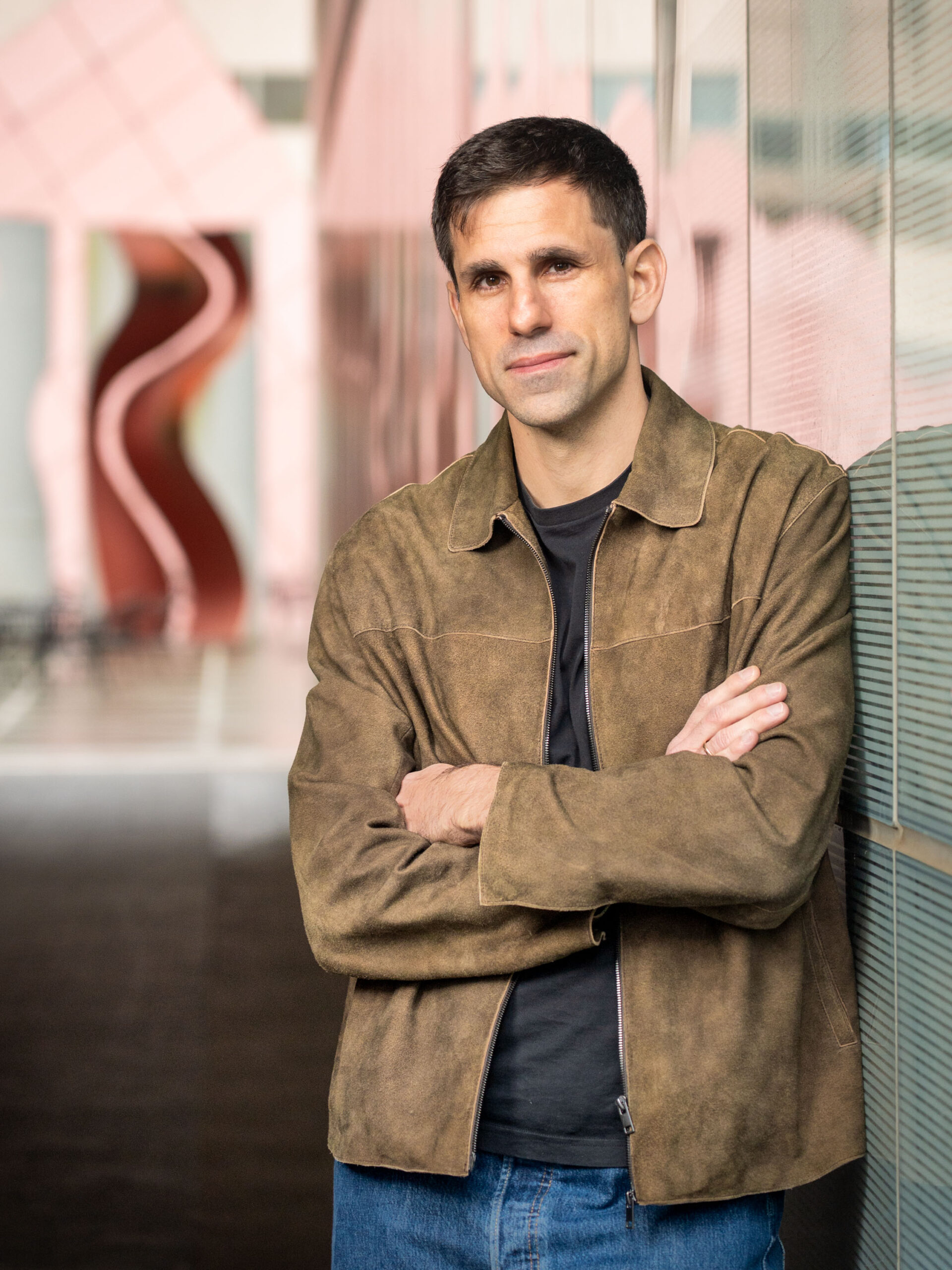
César de la Fuente, a bioengineer and computational biologist at the University of Pennsylvania, is utilizing artificial intelligence to tackle the escalating crisis of antibiotic resistance. This issue, which leads to over 4 million deaths annually, could potentially increase to more than 8 million by 2050, according to a recent analysis published in the Lancet. De la Fuente’s innovative approach aims to discover new antibiotics by identifying peptides with antimicrobial properties hidden in the genomes of various organisms.
De la Fuente’s journey began when he was a teenager, ranking global problems based on government funding dedicated to their solutions. Antimicrobial resistance emerged as a top concern. In a July 2025 essay co-authored with synthetic biologist James Collins, he cautioned about a looming “post-antibiotic” era. This era could see common infections from drug-resistant bacteria, such as Escherichia coli and Staphylococcus aureus, become fatal due to the lack of effective treatments. The duo highlighted the thin pipeline for antibiotic discovery, hampered by high costs and low returns on investment.
The research team at Penn is harnessing AI tools to explore genetic sequences for antimicrobial peptides, which consist of up to 50 linked amino acids. De la Fuente hopes to combine these peptides into novel configurations, some of which may not have been previously identified in nature. Notably, his team has discovered promising candidates from unexpected sources, including the genetic code of ancient single-celled organisms known as archaea and the venom of various snakes, wasps, and spiders.
In a project dubbed “molecular de-extinction,” de la Fuente and his colleagues are examining published genetic sequences of extinct species, such as Neanderthals, woolly mammoths, and ancient zebras, for potentially beneficial molecules. This exploration has yielded new compounds with intriguing names, including mammuthusin-2 from woolly mammoth DNA and mylodonin-2 from the giant sloth. De la Fuente has amassed a library of over 1 million genetic recipes in his quest for new antibiotics.
At just 40 years old, de la Fuente has garnered multiple accolades from organizations including the American Society for Microbiology and the American Chemical Society. In 2019, he was recognized as one of “35 Innovators Under 35” for his contributions to antibiotic discovery through computational methods. Collins acknowledges de la Fuente as a pioneer in this field, emphasizing the need for creativity and innovation in antibiotic development.
De la Fuente describes the challenge of antimicrobial resistance as “almost impossible,” yet he is motivated by the potential for discovery. He identifies the misuse and overuse of antibiotics as key drivers of this growing problem. Traditional antibiotic development methods are often economically unviable, leading many companies to abandon their efforts.
Historically, antibiotic discovery has been a serendipitous endeavor, relying primarily on mechanical methods. Researchers would extract antimicrobial molecules from complex organic materials found in soil and water. With an estimated 10^60 possible organic combinations to explore, the scope of potential discoveries is vast. Chemical biologist Jonathan Stokes notes that drug discovery is fundamentally a statistical challenge, requiring numerous attempts to yield successful results.
De la Fuente has adapted AI technologies to enhance the discovery process. He likens biological sequences to code, where DNA consists of four letters and peptides have 20, each representing different amino acids. By training AI models to recognize sequences that encode antimicrobial peptides, de la Fuente and his team aim to identify functional molecules that could lead to new treatments.
Despite the promising findings, the work is still in its early stages. De la Fuente acknowledges that these peptides have yet to be developed into usable drugs, and critical details such as dosage and delivery methods remain to be addressed. Antimicrobial peptides are particularly appealing because they are naturally produced by the body as a first line of defense against infections. Unlike traditional antibiotics, which often target a single function of bacteria, AMPs can engage multiple mechanisms of action, making it less likely for pathogens to develop resistance.
De la Fuente’s group is among several research teams pushing the boundaries of AI in antibiotic discovery. His focus on peptides contrasts with Collins and Stokes, who work on small-molecule discoveries. In a significant advancement, de la Fuente’s team successfully tested two synthetic peptides on mice infected with a drug-resistant strain of Acinetobacter baumannii, a pathogen classified as a “critical priority” by the World Health Organization for antimicrobial resistance research.
Looking ahead, de la Fuente is developing a multimodal AI model named ApexOracle, aimed at analyzing new pathogens, identifying their genetic vulnerabilities, and predicting the effectiveness of designed antibiotics. This model represents a convergence of chemistry, genomics, and computational linguistics. While still in preliminary stages, it holds promise for guiding future AI models in the ongoing battle against antimicrobial resistance.
De la Fuente firmly believes that AI provides a vital opportunity for researchers to confront the significant threat of antibiotic resistance. By saving decades of research time, he aspires to leverage these advancements to ultimately save lives. “This is the world that we live in today, and it’s incredible,” he states, underscoring the urgent need for innovative solutions in the face of a growing public health challenge.

Funko’s Price Target Increased to $4.00 as Analysts React

Humboldt Celebrates as ‘One Battle After Another’ Claims Best Picture

GSK Faces Backlash Over Asthma Inhaler Scrapping, Children Suffer

Adorable Sandhill Crane Colt Hugs Mom in The Villages

USA Unveils Star-Spangled Jerseys Ahead of March Friendlies

Newport Plans Colorful Lighting for Fourth Street Bridge

Sandia Scientists Honored for Innovative Career Journeys

Urgent: Charles M. Payment Passes Away at 78, Memorial Details Inside

NFL Free Agency: Key Moves and Player Signings in Week One

Researchers Launch $1.25M Project for Real-Time Hazard Monitoring in Hawaiʻi

Send It South Revives Culture and Community at The Momentary

UK Government Borrowing Hits £20.2 Billion in September Surge

Flipkart Republic Day Sale: iPhone 16 Plus Price Slashed by ₹23,900

Adecco SA Secures Mixed Ratings from Analysts Amid Earnings Update

Researchers Achieve Record 15.1 mA/cm² Hydrogen Production Efficiency

Globant Reveals Key Tech Forces Shaping Business in 2026

Inventor Achieves Breakthrough with 2 Billion FPS Laser Video

Dua Lipa Aces GCSE Spanish, Sparks Super Bowl Buzz with Fans
-
 Science8 months ago
Researchers Launch $1.25M Project for Real-Time Hazard Monitoring in Hawaiʻi
-
 Entertainment7 months ago
Send It South Revives Culture and Community at The Momentary
-
 World9 months ago
UK Government Borrowing Hits £20.2 Billion in September Surge
-
 Business6 months ago
Flipkart Republic Day Sale: iPhone 16 Plus Price Slashed by ₹23,900
-
 Sports8 months ago
Adecco SA Secures Mixed Ratings from Analysts Amid Earnings Update
-
 Top Stories5 months ago
Researchers Achieve Record 15.1 mA/cm² Hydrogen Production Efficiency
-
 Business8 months ago
Globant Reveals Key Tech Forces Shaping Business in 2026
-
 Science9 months ago
Inventor Achieves Breakthrough with 2 Billion FPS Laser Video
-
 Entertainment10 months ago
Dua Lipa Aces GCSE Spanish, Sparks Super Bowl Buzz with Fans
-

 Top Stories10 months ago
Charlie Sheen’s New Romance: ‘Glowing’ with Younger Partner
-

 Top Stories8 months ago
JSerra Names Hardy Nickerson as First Black Football Coach
-

 Health10 months ago
Community Unites for 7th Annual Into the Light Walk for Mental Health