
Science
UC Irvine Researchers Uncover Key Metabolic Mechanism for Muscle Repair


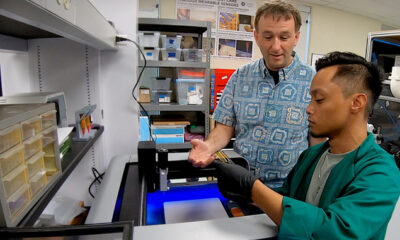
A groundbreaking study from the University of California, Irvine (UCI) has unveiled a vital metabolic mechanism that plays a crucial role in muscle repair and growth. Conducted by a team led by Assistant Professor Lauren Albrecht and PhD student Melissa Campos, this research highlights how muscle regeneration is influenced by a specific metabolic switch within muscle stem cells. Published in the journal Nature Metabolism on February 24, 2026, the findings have significant implications for understanding muscle health, particularly in the context of aging and chronic conditions.
The study addresses a critical health concern: muscle loss, which has become increasingly prevalent due to factors such as aging, chronic disease, and periods of immobility. These issues are exacerbated by the rising popularity of GLP-1-based weight-loss therapies, which have been linked to lean body mass loss. The UCI researchers discovered that muscle cells do not merely utilize energy; they actively adjust how they metabolize nutrients at pivotal moments to enhance recovery and fortify muscle tissue.
At the core of this discovery is PFKM, a muscle-specific enzyme that regulates glucose processing in cells. The research team found that levels of PFKM are low in muscle stem cells but increase as these cells differentiate into mature muscle fibers. This dynamic is crucial in the early stages of recovery, where maintaining reduced energy production helps cells manage stress and inflammation. As healing progresses, rising PFKM levels boost metabolism, allowing muscle cells to fuse and grow stronger.
Albrecht emphasized the importance of these findings, stating, “These findings change how we think about muscle growth and recovery. Rather than viewing metabolism as a passive support system, our work shows that muscle cells actively reprogram how they use fuel to decide when to repair and when to grow.” She noted that the research bridges basic biological mechanisms with real-world health challenges, particularly the urgent issue of muscle loss in aging populations.
The implications extend beyond basic science, as the study connects molecular biology to practical applications in nutrition and therapy. According to Albrecht, the team’s research could inform future strategies aimed at preserving and rebuilding muscle strength during aging, illness, or as a result of medical treatments. “With the rapid rise of GLP-1-based weight-loss therapies and growing concern about muscle loss, it became clear that understanding how muscle exits repair mode isn’t just a basic science question — it’s a real-world problem,” she said.
The work conducted at the UCI’s Charlie Dunlop School of Biological Sciences underscores the importance of continued investment in muscle health research. The findings could lead to practical approaches that help individuals recover more quickly, maintain their independence longer, and enhance their overall health throughout their lives.
As the field evolves, this research could pave the way for new therapies and nutritional strategies designed to address the challenges associated with muscle loss. The UCI team encourages further exploration of these cellular mechanisms, which could ultimately improve health outcomes for people across various age groups and medical conditions.
For more information about the Charlie Dunlop School of Biological Sciences, visit their official website.

Funko’s Price Target Increased to $4.00 as Analysts React

Humboldt Celebrates as ‘One Battle After Another’ Claims Best Picture

GSK Faces Backlash Over Asthma Inhaler Scrapping, Children Suffer

Adorable Sandhill Crane Colt Hugs Mom in The Villages

USA Unveils Star-Spangled Jerseys Ahead of March Friendlies

Newport Plans Colorful Lighting for Fourth Street Bridge

Sandia Scientists Honored for Innovative Career Journeys

Urgent: Charles M. Payment Passes Away at 78, Memorial Details Inside

NFL Free Agency: Key Moves and Player Signings in Week One

Researchers Launch $1.25M Project for Real-Time Hazard Monitoring in Hawaiʻi

Send It South Revives Culture and Community at The Momentary

UK Government Borrowing Hits £20.2 Billion in September Surge

Flipkart Republic Day Sale: iPhone 16 Plus Price Slashed by ₹23,900

Adecco SA Secures Mixed Ratings from Analysts Amid Earnings Update

Researchers Achieve Record 15.1 mA/cm² Hydrogen Production Efficiency

Globant Reveals Key Tech Forces Shaping Business in 2026

Inventor Achieves Breakthrough with 2 Billion FPS Laser Video

Dua Lipa Aces GCSE Spanish, Sparks Super Bowl Buzz with Fans
-
 Science8 months ago
Researchers Launch $1.25M Project for Real-Time Hazard Monitoring in Hawaiʻi
-
 Entertainment7 months ago
Send It South Revives Culture and Community at The Momentary
-
 World9 months ago
UK Government Borrowing Hits £20.2 Billion in September Surge
-
 Business6 months ago
Flipkart Republic Day Sale: iPhone 16 Plus Price Slashed by ₹23,900
-
 Sports8 months ago
Adecco SA Secures Mixed Ratings from Analysts Amid Earnings Update
-
 Top Stories5 months ago
Researchers Achieve Record 15.1 mA/cm² Hydrogen Production Efficiency
-
 Business8 months ago
Globant Reveals Key Tech Forces Shaping Business in 2026
-
 Science9 months ago
Inventor Achieves Breakthrough with 2 Billion FPS Laser Video
-
 Entertainment10 months ago
Dua Lipa Aces GCSE Spanish, Sparks Super Bowl Buzz with Fans
-

 Top Stories10 months ago
Charlie Sheen’s New Romance: ‘Glowing’ with Younger Partner
-

 Top Stories8 months ago
JSerra Names Hardy Nickerson as First Black Football Coach
-

 Health10 months ago
Community Unites for 7th Annual Into the Light Walk for Mental Health