
Science
Fixing Robotics Deployments: Overcoming ‘Always-On’ Challenges

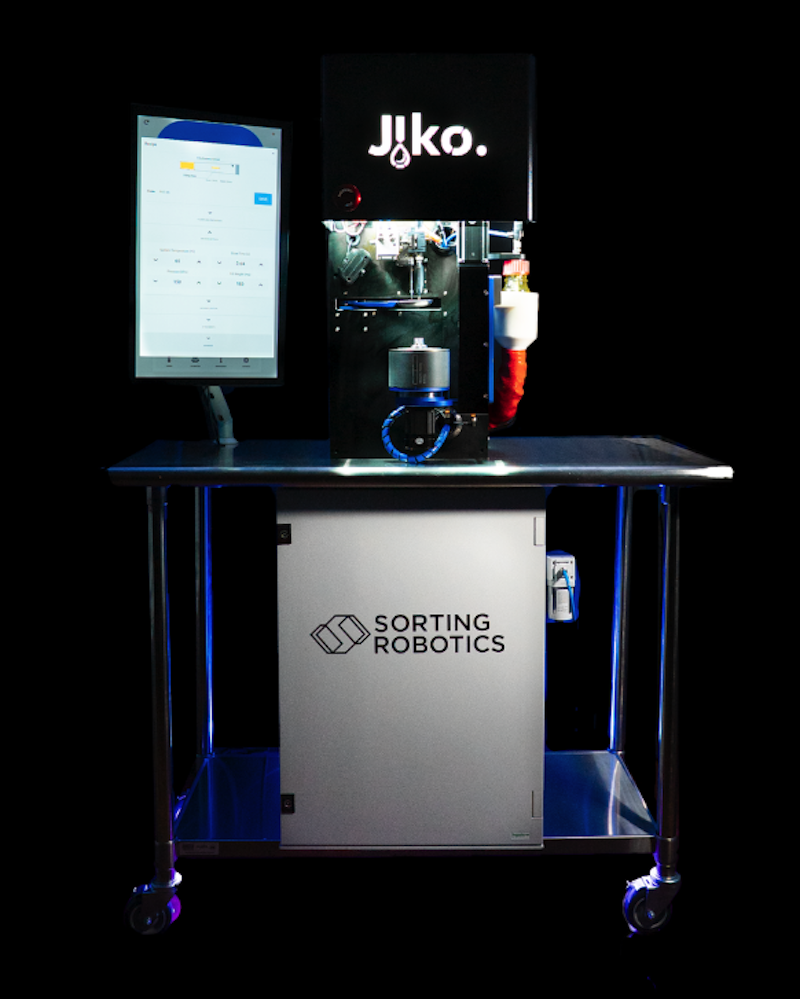
The deployment of robotics systems faces significant challenges due to the “always-on” environments in which they operate. According to insights from Nohtal Partansky, founder and CEO of Sorting Robotics, and Patrick DeGrosse Jr., director of engineering, the real issues often arise not from technical malfunctions but from the operational context.
The problems typically manifest once the robotics system exits the validation phase and enters active operation. In their experience, the issues are tied more closely to environmental factors than to the technical specifications of the machines themselves. This indicates a critical need for organizations to rethink their deployment strategies.
Identifying the Core Issues
Most robotics deployments fail due to unforeseen complexities in their operating environments. Factors such as fluctuating conditions, varying tasks, and unpredictable human interactions can complicate performance. Partansky and DeGrosse Jr. highlight that designs that work well in controlled settings often struggle under real-world conditions.
For example, a robotic system validated in a lab might function flawlessly, yet its performance could degrade once introduced to a warehouse filled with dynamic human activity and shifting inventory. The “always-on” nature of these environments means that robots are constantly reacting to new challenges, which requires robust adaptability that many systems currently lack.
To address these issues, the authors propose several strategies. They emphasize the importance of incorporating flexibility into robotic systems during the design phase. By anticipating a wider range of operational scenarios, organizations can enhance the resilience of their robotics deployments.
Solutions for Enhanced Robotics Performance
Partansky and DeGrosse Jr. suggest that companies should engage in extensive field testing before fully committing to deployment. This process can identify potential pitfalls in the system’s response to real-world variables. Furthermore, continuous monitoring during the operational phase can allow for quick adjustments, ensuring that the system remains effective.
Another crucial recommendation involves integrating learning algorithms that enable robots to adapt to changing conditions. By leveraging advanced automation technologies, organizations can create systems that not only perform tasks but also learn from their environments, ultimately enhancing efficiency and reliability.
The insights shared by Sorting Robotics underscore the need for a paradigm shift in how companies approach the deployment of robotic systems. As industries increasingly adopt robotics, understanding the interplay between technology and environment will be essential for success.
In a rapidly evolving landscape, organizations that prioritize adaptive strategies will likely see better outcomes from their robotics operations, ultimately driving greater productivity and innovation across sectors.

Funko’s Price Target Increased to $4.00 as Analysts React

Humboldt Celebrates as ‘One Battle After Another’ Claims Best Picture

GSK Faces Backlash Over Asthma Inhaler Scrapping, Children Suffer

Adorable Sandhill Crane Colt Hugs Mom in The Villages

USA Unveils Star-Spangled Jerseys Ahead of March Friendlies

Newport Plans Colorful Lighting for Fourth Street Bridge

Sandia Scientists Honored for Innovative Career Journeys

Urgent: Charles M. Payment Passes Away at 78, Memorial Details Inside

NFL Free Agency: Key Moves and Player Signings in Week One

Researchers Launch $1.25M Project for Real-Time Hazard Monitoring in Hawaiʻi

Send It South Revives Culture and Community at The Momentary

UK Government Borrowing Hits £20.2 Billion in September Surge

Flipkart Republic Day Sale: iPhone 16 Plus Price Slashed by ₹23,900

Adecco SA Secures Mixed Ratings from Analysts Amid Earnings Update

Researchers Achieve Record 15.1 mA/cm² Hydrogen Production Efficiency

Globant Reveals Key Tech Forces Shaping Business in 2026

Inventor Achieves Breakthrough with 2 Billion FPS Laser Video

Dua Lipa Aces GCSE Spanish, Sparks Super Bowl Buzz with Fans
-
 Science8 months ago
Researchers Launch $1.25M Project for Real-Time Hazard Monitoring in Hawaiʻi
-
 Entertainment7 months ago
Send It South Revives Culture and Community at The Momentary
-
 World9 months ago
UK Government Borrowing Hits £20.2 Billion in September Surge
-
 Business6 months ago
Flipkart Republic Day Sale: iPhone 16 Plus Price Slashed by ₹23,900
-
 Sports8 months ago
Adecco SA Secures Mixed Ratings from Analysts Amid Earnings Update
-
 Top Stories5 months ago
Researchers Achieve Record 15.1 mA/cm² Hydrogen Production Efficiency
-
 Business8 months ago
Globant Reveals Key Tech Forces Shaping Business in 2026
-
 Science9 months ago
Inventor Achieves Breakthrough with 2 Billion FPS Laser Video
-
 Entertainment10 months ago
Dua Lipa Aces GCSE Spanish, Sparks Super Bowl Buzz with Fans
-

 Top Stories10 months ago
Charlie Sheen’s New Romance: ‘Glowing’ with Younger Partner
-

 Top Stories8 months ago
JSerra Names Hardy Nickerson as First Black Football Coach
-

 Health10 months ago
Community Unites for 7th Annual Into the Light Walk for Mental Health