
Entertainment
Doctor Strange’s Astral Projection: Power with Hidden Risks

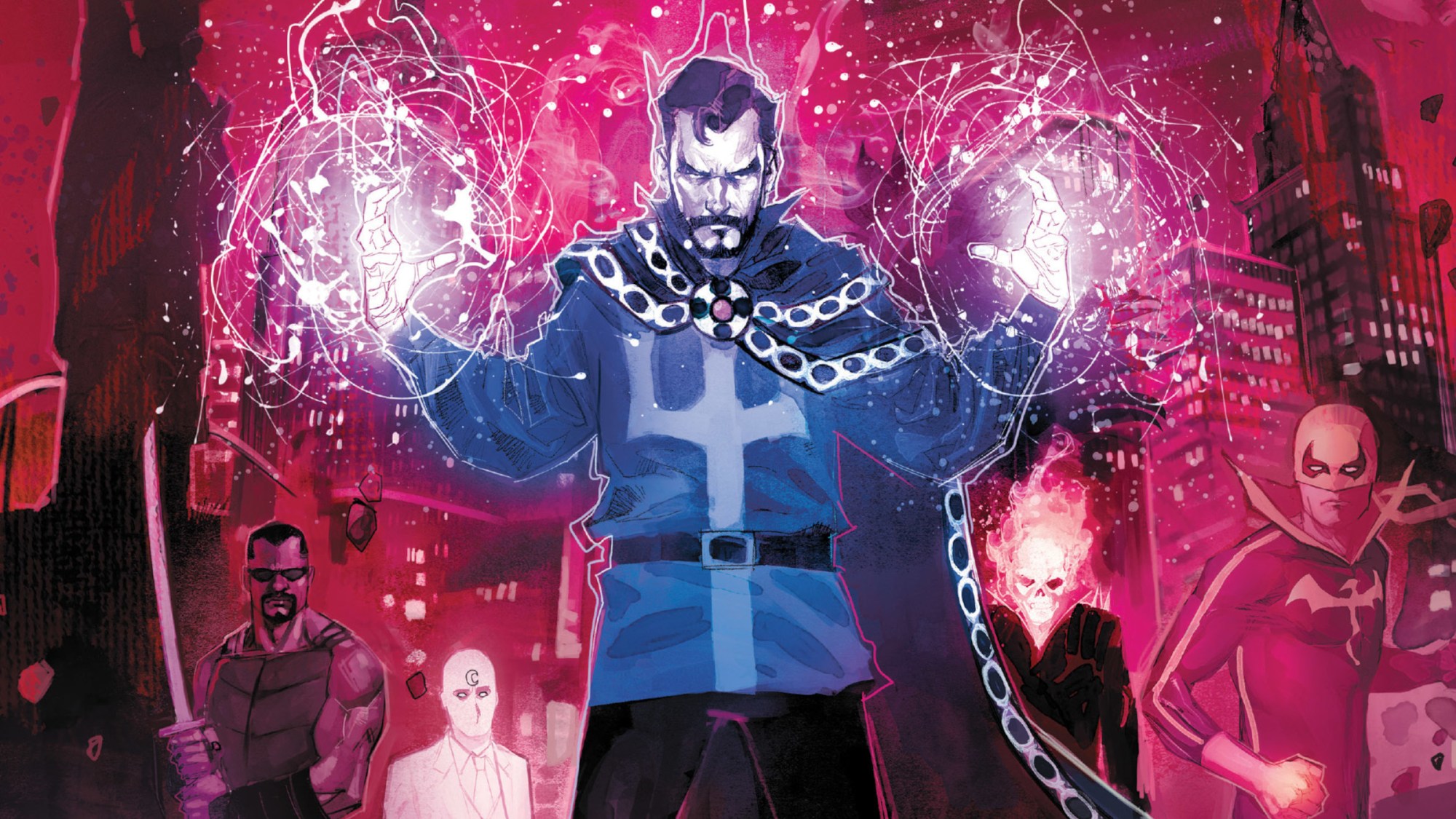
The complex character of Doctor Strange, a central figure in Marvel Comics, reveals both immense power and significant vulnerabilities, particularly through his ability of astral projection. First introduced in the early 1960s, Strange has evolved into one of the most formidable heroes in the Marvel universe. However, a deep dive into his powers unveils a critical weakness that has implications for both his character arc and storytelling within the comics.
Astral Projection: A Double-Edged Sword
The power of astral projection allows Doctor Strange to separate his astral form from his physical body, enabling him to navigate the mystical realms without physical constraints. This ability has been a cornerstone of his character, allowing him to engage in espionage and strategize against adversaries. Yet, as revealed in the 1988 comic Doctor Strange: Sorcerer Supreme #1, this power is fraught with danger.
In a pivotal moment, Strange sends his astral form to assist an innocent under attack, only to fall into a trap set by Dormammu, one of his most formidable foes. Dormammu exposes the inherent risks of astral projection: if Strange remains outside his body for too long—specifically, a day and a night—he risks losing his ability to return. This revelation shifts the narrative around astral projection, transforming it from a mere tool of offense into a potential liability that could leave his physical form vulnerable.
The implications of this storyline are profound. It introduces a layer of tension and urgency to Strange’s adventures, reminding readers that even the most powerful abilities can carry significant risks. The notion that the soul, represented by the astral form, can be compromised resonates with various mythologies and magical systems, drawing parallels to other stories in literature where such vulnerabilities are explored.
Impact on Doctor Strange’s Narrative
The introduction of these limitations on his astral projection serves a crucial purpose: it maintains reader engagement by ensuring that Doctor Strange is not infallible. Without such challenges, the character risks becoming too overpowered and predictable. The adjustments made to his powers allow for more dynamic storytelling, fostering a sense of danger that is essential in keeping audiences invested.
As Doctor Strange continues to gain popularity, particularly through his portrayals in the Marvel Cinematic Universe, the balance of power and vulnerability remains vital. The 1988 storyline not only updated his abilities but also laid the groundwork for future narratives that explore the complexities of his character.
Marvel’s decision to highlight the weaknesses in Doctor Strange’s powers is a reminder of the delicate balance in comic storytelling. By nerfing one of his most impressive abilities, the creators have effectively opened avenues for richer, more engaging plots. This strategy encourages readers to consider the broader implications of power within the Marvel universe, where every strength can become a source of conflict.
As fans continue to debate the strengths and weaknesses of characters like Doctor Strange, the lessons from his astral projection serve as a testament to the intricacies of superhero narratives. The character’s evolution reflects not only his journey but also the ever-changing landscape of comic book storytelling, where even the greatest powers can have unforeseen consequences.

Funko’s Price Target Increased to $4.00 as Analysts React

Humboldt Celebrates as ‘One Battle After Another’ Claims Best Picture

GSK Faces Backlash Over Asthma Inhaler Scrapping, Children Suffer

Adorable Sandhill Crane Colt Hugs Mom in The Villages

USA Unveils Star-Spangled Jerseys Ahead of March Friendlies

Newport Plans Colorful Lighting for Fourth Street Bridge

Sandia Scientists Honored for Innovative Career Journeys

Urgent: Charles M. Payment Passes Away at 78, Memorial Details Inside

NFL Free Agency: Key Moves and Player Signings in Week One

Researchers Launch $1.25M Project for Real-Time Hazard Monitoring in Hawaiʻi

Send It South Revives Culture and Community at The Momentary

UK Government Borrowing Hits £20.2 Billion in September Surge

Flipkart Republic Day Sale: iPhone 16 Plus Price Slashed by ₹23,900

Adecco SA Secures Mixed Ratings from Analysts Amid Earnings Update

Researchers Achieve Record 15.1 mA/cm² Hydrogen Production Efficiency

Globant Reveals Key Tech Forces Shaping Business in 2026

Dua Lipa Aces GCSE Spanish, Sparks Super Bowl Buzz with Fans

Inventor Achieves Breakthrough with 2 Billion FPS Laser Video
-
 Science8 months ago
Researchers Launch $1.25M Project for Real-Time Hazard Monitoring in Hawaiʻi
-
 Entertainment7 months ago
Send It South Revives Culture and Community at The Momentary
-
 World10 months ago
UK Government Borrowing Hits £20.2 Billion in September Surge
-
 Business6 months ago
Flipkart Republic Day Sale: iPhone 16 Plus Price Slashed by ₹23,900
-
 Sports8 months ago
Adecco SA Secures Mixed Ratings from Analysts Amid Earnings Update
-
 Top Stories5 months ago
Researchers Achieve Record 15.1 mA/cm² Hydrogen Production Efficiency
-
 Business8 months ago
Globant Reveals Key Tech Forces Shaping Business in 2026
-
 Entertainment10 months ago
Dua Lipa Aces GCSE Spanish, Sparks Super Bowl Buzz with Fans
-
 Science10 months ago
Inventor Achieves Breakthrough with 2 Billion FPS Laser Video
-

 Top Stories10 months ago
Charlie Sheen’s New Romance: ‘Glowing’ with Younger Partner
-

 Top Stories8 months ago
JSerra Names Hardy Nickerson as First Black Football Coach
-

 Health10 months ago
Community Unites for 7th Annual Into the Light Walk for Mental Health