
Top Stories
Canada Faces Urgent Decision on Oil Sands Waste Amid Cancer Rates

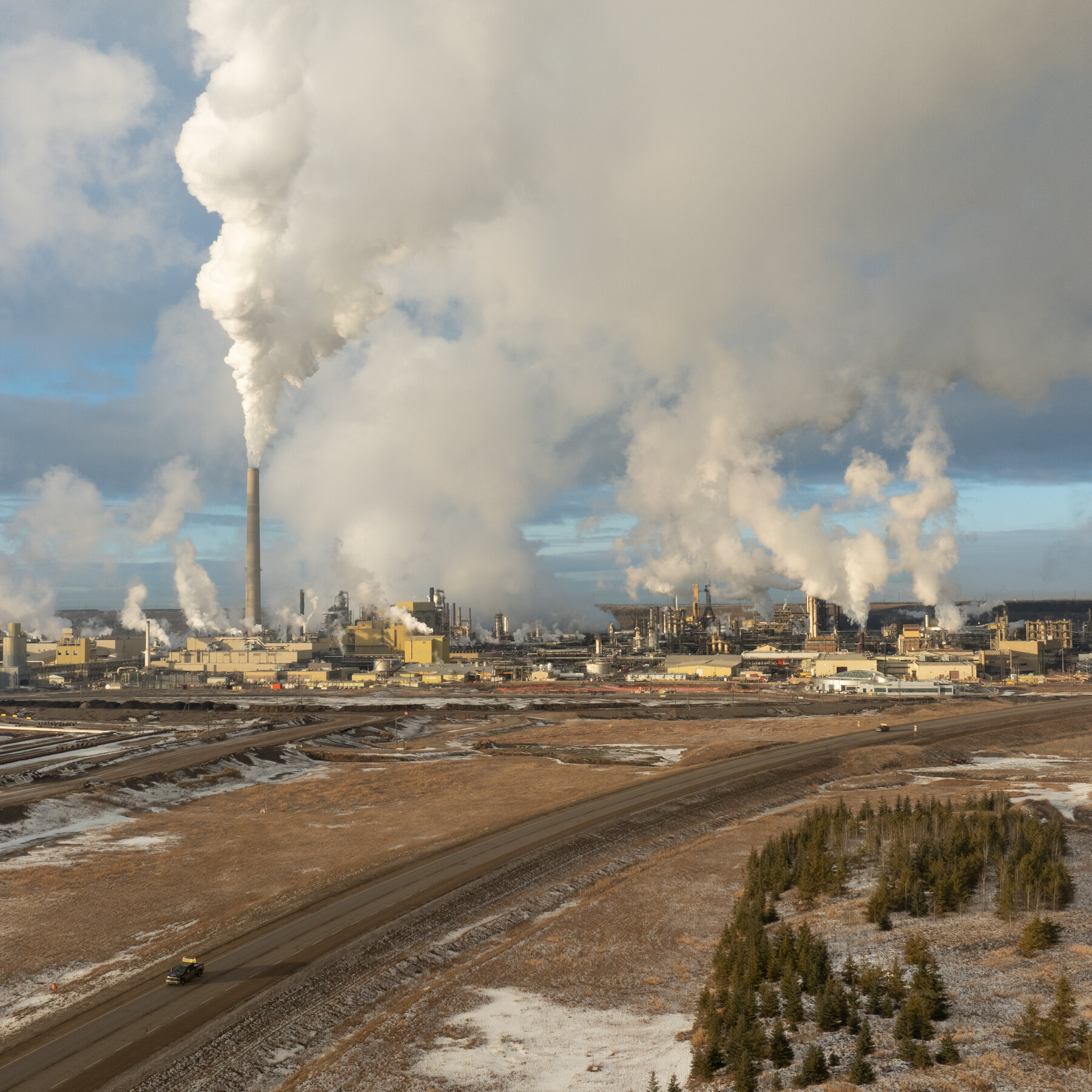
BREAKING: The Canadian government is facing mounting pressure as it considers new regulations that could allow energy companies to discharge treated mining waste into local river systems, raising serious health concerns among nearby Indigenous communities. This critical decision comes in the wake of alarming cancer rates reported in these communities, with local health officials urging immediate action.
Recent data reveals a disturbing trend: cancer rates among Indigenous residents living near the oil sands in Alberta have surged, prompting urgent calls for government intervention. Officials from the Alberta First Nations Health Consortium reported that these communities are experiencing cancer incidences significantly higher than the national average, with some areas seeing rates that are three times higher than typical figures.
The proposed regulations, currently under review by the Canada Energy Regulator, could permit energy giants to release treated mining waste into the Saskatchewan River, a vital water source for local residents. If approved, this decision could have devastating implications for public health and the environment, particularly for Indigenous populations who rely on this river for their daily needs.
UPDATE: Local leaders are mobilizing against these potential regulations. Many have expressed deep concern that allowing the discharge of waste into the river will exacerbate existing health crises, including the rising cancer rates. Chief Allan Adam of the Athabasca Chipewyan First Nation stated, “We cannot allow our health to be sacrificed for corporate profits. Our people deserve clean water and safe living conditions.”
The urgency of this situation cannot be overstated. Indigenous communities are calling for immediate governmental accountability and transparency regarding the health implications of the oil sands operations. The proposed regulations are expected to be discussed at the next cabinet meeting on November 5, 2023, which only heightens the sense of urgency surrounding this issue.
As the government weighs its options, experts are urging thorough assessments of health impacts before any regulations are finalized. Dr. Jennifer Ash, a leading health researcher, emphasized, “We must prioritize the health of our communities and ensure that decisions are made based on solid scientific evidence, not merely economic interests.”
With the conversation intensifying, public protests are expected to escalate as community leaders rally for justice and health equity. Residents are encouraged to voice their concerns through upcoming town hall meetings scheduled for this week, where they can directly engage with policymakers.
The health of countless individuals hangs in the balance as Canada navigates this critical juncture. The outcome of these regulations will not only affect the environment but will also have lasting repercussions for the health and well-being of Indigenous communities across the region.
Stay tuned for more updates as this story develops. The fight for clean water and health justice is far from over, and community leaders are determined to make their voices heard.

Funko’s Price Target Increased to $4.00 as Analysts React

Humboldt Celebrates as ‘One Battle After Another’ Claims Best Picture

GSK Faces Backlash Over Asthma Inhaler Scrapping, Children Suffer

Adorable Sandhill Crane Colt Hugs Mom in The Villages

USA Unveils Star-Spangled Jerseys Ahead of March Friendlies

Newport Plans Colorful Lighting for Fourth Street Bridge

Sandia Scientists Honored for Innovative Career Journeys

Urgent: Charles M. Payment Passes Away at 78, Memorial Details Inside

NFL Free Agency: Key Moves and Player Signings in Week One

Researchers Launch $1.25M Project for Real-Time Hazard Monitoring in Hawaiʻi

Send It South Revives Culture and Community at The Momentary

UK Government Borrowing Hits £20.2 Billion in September Surge

Flipkart Republic Day Sale: iPhone 16 Plus Price Slashed by ₹23,900

Adecco SA Secures Mixed Ratings from Analysts Amid Earnings Update

Researchers Achieve Record 15.1 mA/cm² Hydrogen Production Efficiency

Globant Reveals Key Tech Forces Shaping Business in 2026

Inventor Achieves Breakthrough with 2 Billion FPS Laser Video

Dua Lipa Aces GCSE Spanish, Sparks Super Bowl Buzz with Fans
-
 Science8 months ago
Researchers Launch $1.25M Project for Real-Time Hazard Monitoring in Hawaiʻi
-
 Entertainment7 months ago
Send It South Revives Culture and Community at The Momentary
-
 World9 months ago
UK Government Borrowing Hits £20.2 Billion in September Surge
-
 Business6 months ago
Flipkart Republic Day Sale: iPhone 16 Plus Price Slashed by ₹23,900
-
 Sports7 months ago
Adecco SA Secures Mixed Ratings from Analysts Amid Earnings Update
-
 Top Stories5 months ago
Researchers Achieve Record 15.1 mA/cm² Hydrogen Production Efficiency
-
 Business8 months ago
Globant Reveals Key Tech Forces Shaping Business in 2026
-
 Science9 months ago
Inventor Achieves Breakthrough with 2 Billion FPS Laser Video
-
 Entertainment10 months ago
Dua Lipa Aces GCSE Spanish, Sparks Super Bowl Buzz with Fans
-

 Top Stories10 months ago
Charlie Sheen’s New Romance: ‘Glowing’ with Younger Partner
-

 Top Stories7 months ago
JSerra Names Hardy Nickerson as First Black Football Coach
-

 Health10 months ago
Community Unites for 7th Annual Into the Light Walk for Mental Health