
Lifestyle
Pope Accepts Resignation of Chaldean Bishop Amid Felony Charges

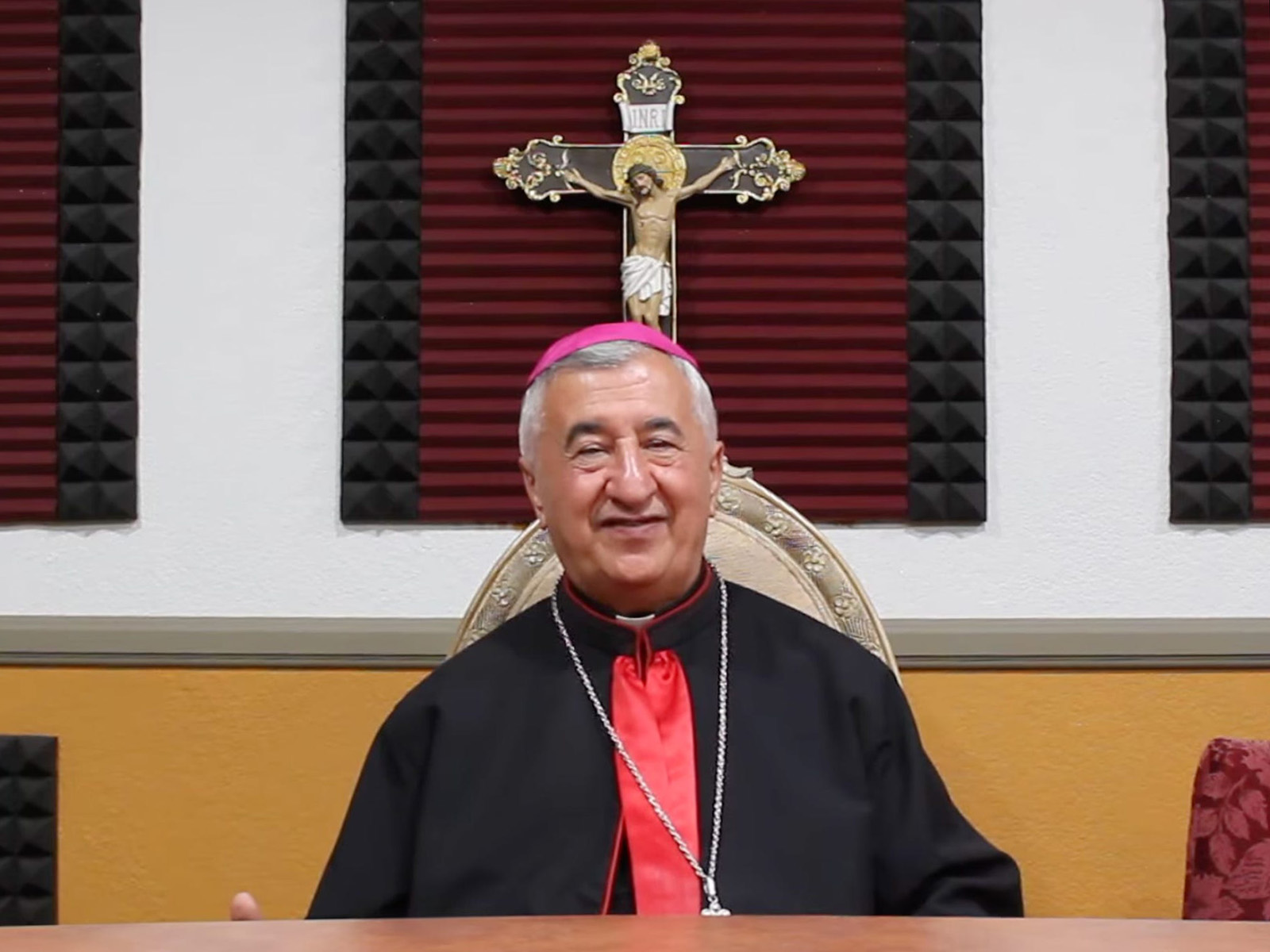
Pope Leo XIV has accepted the resignation of Bishop Emanuel Hana Shaleta, the leader of the Chaldean Catholics in the Western United States, following serious legal troubles. The Vatican confirmed on March 10, 2024, that Shaleta submitted his resignation in February, which had not been publicly announced until now. Shaleta faces felony charges related to embezzlement and money laundering after his arrest at the San Diego International Airport on March 7, 2024.
The Chaldean Catholic Church, which is one of 23 Eastern Rite churches in full communion with the Catholic Church, conducts its worship in Syriac, a dialect of Aramaic. The church’s headquarters is located in Baghdad, with eparchies spread across various regions, including the Eparchy of St. Peter the Apostle, which encompasses much of the western United States. Following the resignation, Bishop Saad Hanna Sirop will serve as apostolic administrator until a new bishop is appointed.
Shaleta was arrested after being accused of misappropriating at least $270,000 in church funds, specifically rent payments for the church’s social hall. After spending four nights in jail, he pleaded not guilty to 15 felony counts on March 11, 2024. The courtroom was reportedly filled with supporters, with some unable to find space and waiting in the hallway.
During the court proceedings, San Diego District Attorney Joel Madero emphasized the severity of the case, requesting that Shaleta pay $125,000 in bail and wear an ankle monitor. Shaleta’s attorney argued that the bishop was not attempting to evade the charges. The investigation into Shaleta began last August, initiated by a representative from St. Peter Chaldean Church, who provided documents indicating potential embezzlement.
The allegations against Shaleta gained wider attention last month when the Catholic news site The Pillar reported that the Vatican was conducting an investigation into his financial activities. While Shaleta contended that the missing funds had been allocated for charitable purposes, he could not provide documentation to substantiate his claims. Additionally, he faces allegations of sexual misconduct, including a visit to an alleged brothel.
Response from Church Leadership
In light of these developments, Cardinal Louis Sako, who served as the Chaldean patriarch in Baghdad until his resignation on March 10, issued a pastoral letter to the Chaldean community in San Diego. He urged the faithful to maintain unity and harmony, avoiding division and discord. Sako stated, “I ask you to unity and harmony with a living conscience and a compassionate, faithful heart, far from the spirit of revenge or vindictiveness.”
In a statement released by the Vatican’s news site regarding his resignation, Sako clarified that his departure was voluntary and not the result of external pressure. Having reached the age of 77 — two years beyond the typical retirement age for bishops — he reflected on the challenges faced during his tenure. “I have led the Chaldean Church under extremely difficult circumstances and amid great challenges,” Sako noted, emphasizing his commitment to preserving the unity of the church’s institutions.
Reports have suggested that Sako had previously explored options to assist Shaleta in transitioning to a different role within the Chaldean leadership. The recent turmoil comes at a time when the Chaldean community has been profoundly affected by ongoing conflict in the Middle East. Notably, a drone strike targeted a Chaldean apartment building in Ankawa, Iraq, last week, which housed Christian refugees and archdiocesan workers.
As the situation unfolds, the Chaldean Catholic Church faces significant challenges both in leadership and community cohesion. The Vatican’s actions signal a firm stance on accountability, a message that resonates deeply amid the ongoing strife within the region.

Funko’s Price Target Increased to $4.00 as Analysts React

Humboldt Celebrates as ‘One Battle After Another’ Claims Best Picture

GSK Faces Backlash Over Asthma Inhaler Scrapping, Children Suffer

Adorable Sandhill Crane Colt Hugs Mom in The Villages

USA Unveils Star-Spangled Jerseys Ahead of March Friendlies

Newport Plans Colorful Lighting for Fourth Street Bridge

Sandia Scientists Honored for Innovative Career Journeys

Urgent: Charles M. Payment Passes Away at 78, Memorial Details Inside

NFL Free Agency: Key Moves and Player Signings in Week One

Researchers Launch $1.25M Project for Real-Time Hazard Monitoring in Hawaiʻi

Send It South Revives Culture and Community at The Momentary

UK Government Borrowing Hits £20.2 Billion in September Surge

Flipkart Republic Day Sale: iPhone 16 Plus Price Slashed by ₹23,900

Adecco SA Secures Mixed Ratings from Analysts Amid Earnings Update

Researchers Achieve Record 15.1 mA/cm² Hydrogen Production Efficiency

Globant Reveals Key Tech Forces Shaping Business in 2026

Dua Lipa Aces GCSE Spanish, Sparks Super Bowl Buzz with Fans

Inventor Achieves Breakthrough with 2 Billion FPS Laser Video
-
 Science8 months ago
Researchers Launch $1.25M Project for Real-Time Hazard Monitoring in Hawaiʻi
-
 Entertainment7 months ago
Send It South Revives Culture and Community at The Momentary
-
 World10 months ago
UK Government Borrowing Hits £20.2 Billion in September Surge
-
 Business6 months ago
Flipkart Republic Day Sale: iPhone 16 Plus Price Slashed by ₹23,900
-
 Sports8 months ago
Adecco SA Secures Mixed Ratings from Analysts Amid Earnings Update
-
 Top Stories5 months ago
Researchers Achieve Record 15.1 mA/cm² Hydrogen Production Efficiency
-
 Business8 months ago
Globant Reveals Key Tech Forces Shaping Business in 2026
-
 Entertainment10 months ago
Dua Lipa Aces GCSE Spanish, Sparks Super Bowl Buzz with Fans
-
 Science10 months ago
Inventor Achieves Breakthrough with 2 Billion FPS Laser Video
-

 Top Stories10 months ago
Charlie Sheen’s New Romance: ‘Glowing’ with Younger Partner
-
 Top Stories8 months ago
JSerra Names Hardy Nickerson as First Black Football Coach
-

 Health10 months ago
Community Unites for 7th Annual Into the Light Walk for Mental Health