
Health
FTC Expands PBM Settlement Talks, Setting Industry-Wide Standards

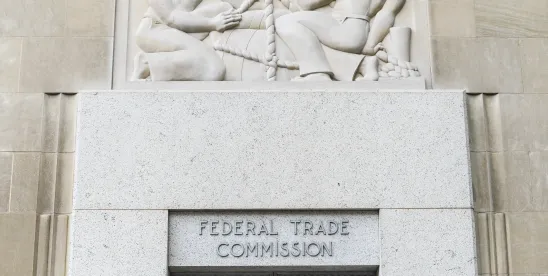
The Federal Trade Commission (FTC) is taking significant steps towards reshaping the pharmacy benefit manager (PBM) landscape. On March 3, 2026, the agency extended a stay in its administrative proceedings against OptumRx and Caremark Rx, allowing more time for settlement discussions. The parties involved reported making “significant progress” in negotiations. This development follows the FTC’s February 4, 2026 settlement with Express Scripts, Inc., which introduced a 10-year plan involving operational commitments and compliance measures related to formulary design, pricing, transparency, and compensation structures.
The FTC’s focus has shifted from a singular case to what appears to be a broader regulatory reset initiated through these settlements. The original intent of the FTC was to address how PBM rebate-driven incentives and formulary designs impact insulin access and patient costs. The details outlined in the consent order with Express Scripts have now established a comprehensive and enforceable framework. If similar agreements are reached with OptumRx and Caremark, the implications could lead to an industry-wide recalibration of how PBMs operate.
Potential Industry Impact of Harmonized Settlements
Industry experts suggest that if the FTC secures parallel commitments from the “Big Three” PBMs—Express Scripts, OptumRx, and Caremark—pressure for compliance across the sector will increase. This could lead to a unified approach towards PBM operations, impacting not only their internal processes but also their relationships with payers, manufacturers, and pharmacies.
The consent order with Express Scripts mandates the integration of the TrumpRx platform into its standard offerings for plan sponsors. This transition signifies a shift from merely debating PBM operations to a reality where the FTC defines operational parameters through negotiated settlements with major market players.
Organizations across the healthcare landscape, including PBMs, plan sponsors, payers, and manufacturers, should prepare for heightened scrutiny. The risk is not confined to a single case but extends to becoming the next focus of an emerging FTC enforcement strategy.
Recommendations for Organizations
To navigate this evolving regulatory environment, companies should take proactive measures to ensure compliance and readiness for potential investigations. Here are some recommended steps:
1. **Map List-Price Touchpoints**: Identify all revenue streams, fees, guarantees, or benchmarks linked to wholesale acquisition cost (WAC) and document the rationale behind these practices.
2. **Pressure-Test Formulary Governance**: Ensure that decision-making pathways are transparent, well-documented, and defensible, particularly in areas where rebate economics could allegedly impact patient access.
3. **Audit Transparency and Reporting Capabilities**: Confirm the ability to produce detailed reports at the drug level, examine the speed of production, and ensure that communications align with actual practices.
4. **Review Contracting and Disclosures**: Assess agreements with sponsors, manufacturers, and pharmacies for audit rights, reporting obligations, and definitions, especially in anticipation of potential market shifts.
5. **Update Investigation Response Protocols**: Revise document retention policies and communication strategies to ensure cohesive and efficient responses to inquiries from the FTC, state attorneys general, or subsequent civil litigation.
The ongoing negotiations and settlements could fundamentally reshape the landscape of pharmacy benefit management, requiring all stakeholders to remain vigilant and adaptable in this changing environment.

Funko’s Price Target Increased to $4.00 as Analysts React

Humboldt Celebrates as ‘One Battle After Another’ Claims Best Picture

GSK Faces Backlash Over Asthma Inhaler Scrapping, Children Suffer

Adorable Sandhill Crane Colt Hugs Mom in The Villages

USA Unveils Star-Spangled Jerseys Ahead of March Friendlies

Newport Plans Colorful Lighting for Fourth Street Bridge

Sandia Scientists Honored for Innovative Career Journeys

Urgent: Charles M. Payment Passes Away at 78, Memorial Details Inside

NFL Free Agency: Key Moves and Player Signings in Week One

Researchers Launch $1.25M Project for Real-Time Hazard Monitoring in Hawaiʻi

UK Government Borrowing Hits £20.2 Billion in September Surge

Flipkart Republic Day Sale: iPhone 16 Plus Price Slashed by ₹23,900

Inventor Achieves Breakthrough with 2 Billion FPS Laser Video

Dua Lipa Aces GCSE Spanish, Sparks Super Bowl Buzz with Fans

Charlie Sheen’s New Romance: ‘Glowing’ with Younger Partner

Community Unites for 7th Annual Into the Light Walk for Mental Health

Mother Fights to Reunite with Children After Kidnapping in New Drama

Olivia Plath Opens Up About Her Marriage Struggles and Divorce
-
 Science4 months ago
Researchers Launch $1.25M Project for Real-Time Hazard Monitoring in Hawaiʻi
-
 World6 months ago
UK Government Borrowing Hits £20.2 Billion in September Surge
-
 Business3 months ago
Flipkart Republic Day Sale: iPhone 16 Plus Price Slashed by ₹23,900
-
 Science6 months ago
Inventor Achieves Breakthrough with 2 Billion FPS Laser Video
-
 Entertainment6 months ago
Dua Lipa Aces GCSE Spanish, Sparks Super Bowl Buzz with Fans
-
 Top Stories6 months ago
Charlie Sheen’s New Romance: ‘Glowing’ with Younger Partner
-
 Health6 months ago
Community Unites for 7th Annual Into the Light Walk for Mental Health
-
 Entertainment6 months ago
Mother Fights to Reunite with Children After Kidnapping in New Drama
-
 Entertainment6 months ago
Olivia Plath Opens Up About Her Marriage Struggles and Divorce
-

 Top Stories5 months ago
T-Mobile Faces Backlash Over New Late Fees, Customers Flee
-

 Science6 months ago
AI Gun Detection System Mistakes Doritos for Weapon, Sparks Outrage
-

 Entertainment4 months ago
Send It South Revives Culture and Community at The Momentary