
Business
Bay Area Commuters Face Increased BART Fares and Bridge Tolls

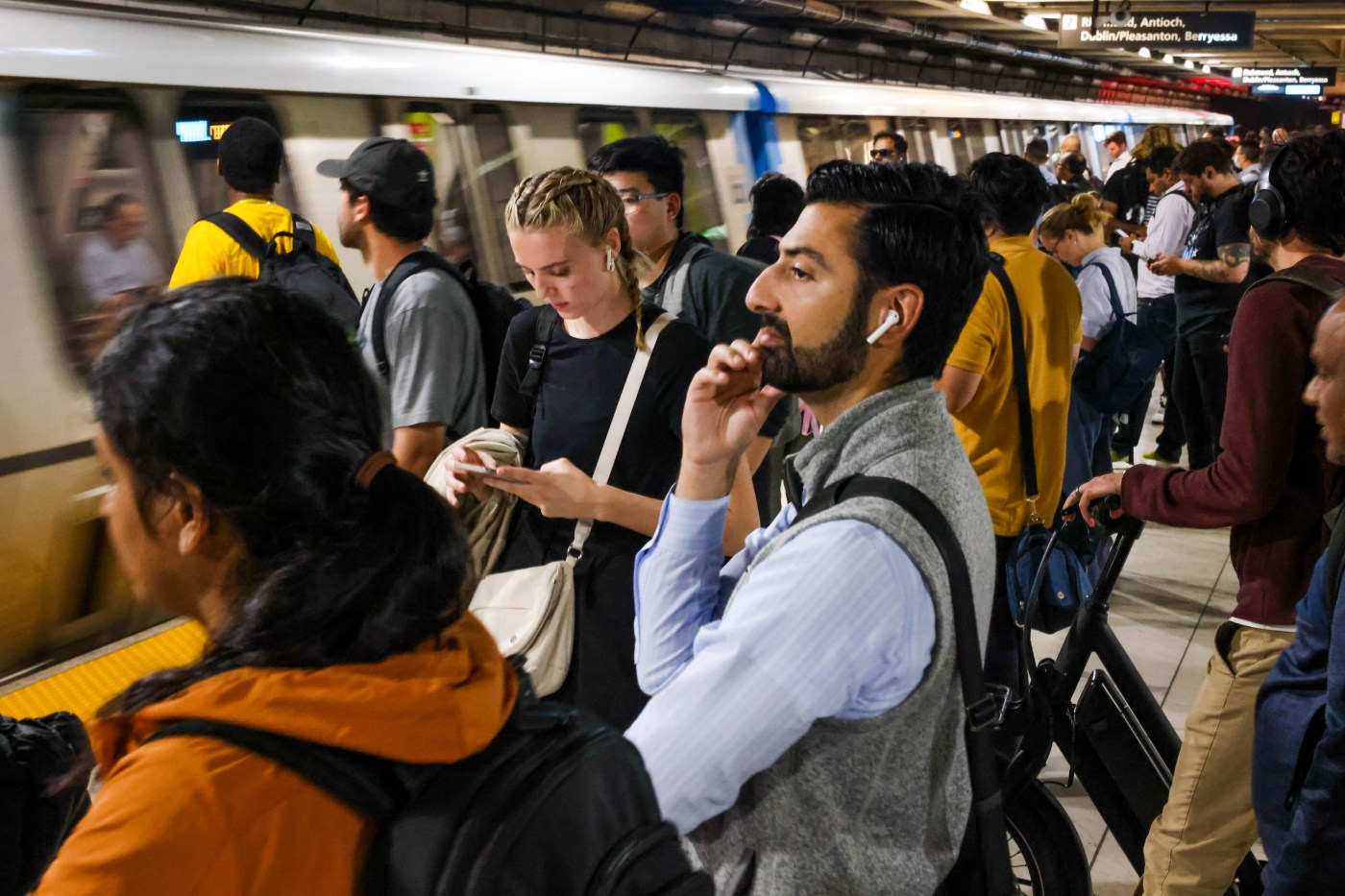
Bay Area commuters will start the New Year with increased transportation costs as the Bay Area Rapid Transit (BART) system raises fares by 6.2% on January 1, 2024. This fare hike is accompanied by higher parking rates at select stations, all part of a strategy to address a projected $376 million budget deficit by the year 2027. Additionally, tolls on seven state-owned bridges in the region will also increase by $0.50.
The fare increases come after BART experienced multiple service disruptions in 2025, attributed to aging infrastructure and power failures. Despite these challenges, ridership has shown signs of recovery, with the agency recording over 51.7 million total rides in the past year, peaking in October with more than 5 million paid exits, according to data provided by the transit agency.
Details of the Fare Increases
On average, BART fares will rise by $0.30, from $4.88 to $5.18. Shorter trips, such as the route from Downtown Berkeley to 19th St./Oakland, will see a modest increase of $0.15, while longer journeys, such as those from Antioch to Montgomery, will rise by $0.55. Parking fees will also see adjustments, with daily rates going up by $0.40 at most stations, while high-demand locations like Glen Park and Walnut Creek will see increases of 30%. Monthly parking rates at major hubs are expected to rise by more than $30, while some lower-demand stations will experience a decrease of over $11.
Mark Foley, President of the BART Board, emphasized the necessity of these increases to maintain and enhance service as the agency navigates its financial challenges. “As we ask the region for greater investments and support for BART while also making internal cuts to reduce costs, we must also ask our riders to contribute more towards their trips,” Foley stated. “We will continue our commitment to enhance efficiencies and implement strict cost controls.”
Addressing Financial Pressures
To manage its budget, BART plans to implement cost-saving measures totaling $108 million in 2024 to preserve current service levels while achieving a balanced budget. These measures will include running shorter trains to conserve energy, adjusting service schedules to align better with ridership patterns, and entering into long-term contracts for energy to lock in lower prices.
BART warns that failure to adequately address its budget issues could lead to significant service reductions, such as decreased trip frequencies, earlier closures, and potential layoffs. These changes could negatively impact not only commuters but also regional climate goals.
Earlier this year, Caltrain, another commuter rail service in the Bay Area, also indicated the possibility of service cuts if it cannot resolve its budget shortfall by 2027. In a proactive response, California Governor Gavin Newsom signed Senate Bill 63 in October, which enables the introduction of a regional transit sales tax measure for the November 2026 ballot. If passed, this measure could generate approximately $1 billion annually over 14 years for Bay Area transit systems, with BART projected to receive about $330 million by 2031.
As for the bridge tolls, rates will rise on the San Francisco-Oakland Bay, Antioch, Benicia-Martinez, Carquinez, Dumbarton, Richmond-San Rafael, and San Mateo-Hayward bridges. Under the new structure, two-axle vehicles will pay $8.50, up from $8, while larger commercial vehicles may face increases of up to $3.50 depending on axle count. Peak hour carpools will see a slight rise of $0.25, bringing the total to $4.25. Notably, the tolls for the Golden Gate Bridge, managed by a separate district, are not included in this adjustment.
For more detailed information regarding the fare and toll changes, commuters are encouraged to visit the BART and Bay Area FasTrak websites.

Funko’s Price Target Increased to $4.00 as Analysts React

Humboldt Celebrates as ‘One Battle After Another’ Claims Best Picture

GSK Faces Backlash Over Asthma Inhaler Scrapping, Children Suffer

Adorable Sandhill Crane Colt Hugs Mom in The Villages

USA Unveils Star-Spangled Jerseys Ahead of March Friendlies

Newport Plans Colorful Lighting for Fourth Street Bridge

Sandia Scientists Honored for Innovative Career Journeys

Urgent: Charles M. Payment Passes Away at 78, Memorial Details Inside

NFL Free Agency: Key Moves and Player Signings in Week One

Researchers Launch $1.25M Project for Real-Time Hazard Monitoring in Hawaiʻi

Send It South Revives Culture and Community at The Momentary

UK Government Borrowing Hits £20.2 Billion in September Surge

Flipkart Republic Day Sale: iPhone 16 Plus Price Slashed by ₹23,900

Adecco SA Secures Mixed Ratings from Analysts Amid Earnings Update

Globant Reveals Key Tech Forces Shaping Business in 2026

Researchers Achieve Record 15.1 mA/cm² Hydrogen Production Efficiency

Dua Lipa Aces GCSE Spanish, Sparks Super Bowl Buzz with Fans

Inventor Achieves Breakthrough with 2 Billion FPS Laser Video
-
 Science8 months ago
Researchers Launch $1.25M Project for Real-Time Hazard Monitoring in Hawaiʻi
-
 Entertainment7 months ago
Send It South Revives Culture and Community at The Momentary
-
 World10 months ago
UK Government Borrowing Hits £20.2 Billion in September Surge
-
 Business6 months ago
Flipkart Republic Day Sale: iPhone 16 Plus Price Slashed by ₹23,900
-
 Sports8 months ago
Adecco SA Secures Mixed Ratings from Analysts Amid Earnings Update
-
 Business8 months ago
Globant Reveals Key Tech Forces Shaping Business in 2026
-
 Top Stories5 months ago
Researchers Achieve Record 15.1 mA/cm² Hydrogen Production Efficiency
-
 Entertainment10 months ago
Dua Lipa Aces GCSE Spanish, Sparks Super Bowl Buzz with Fans
-
 Science10 months ago
Inventor Achieves Breakthrough with 2 Billion FPS Laser Video
-

 Top Stories10 months ago
Charlie Sheen’s New Romance: ‘Glowing’ with Younger Partner
-
 Top Stories8 months ago
JSerra Names Hardy Nickerson as First Black Football Coach
-

 Health10 months ago
Community Unites for 7th Annual Into the Light Walk for Mental Health