
Business
Chicago Faces $700 Million Budget Shortfall Amid COVID-19 Crisis

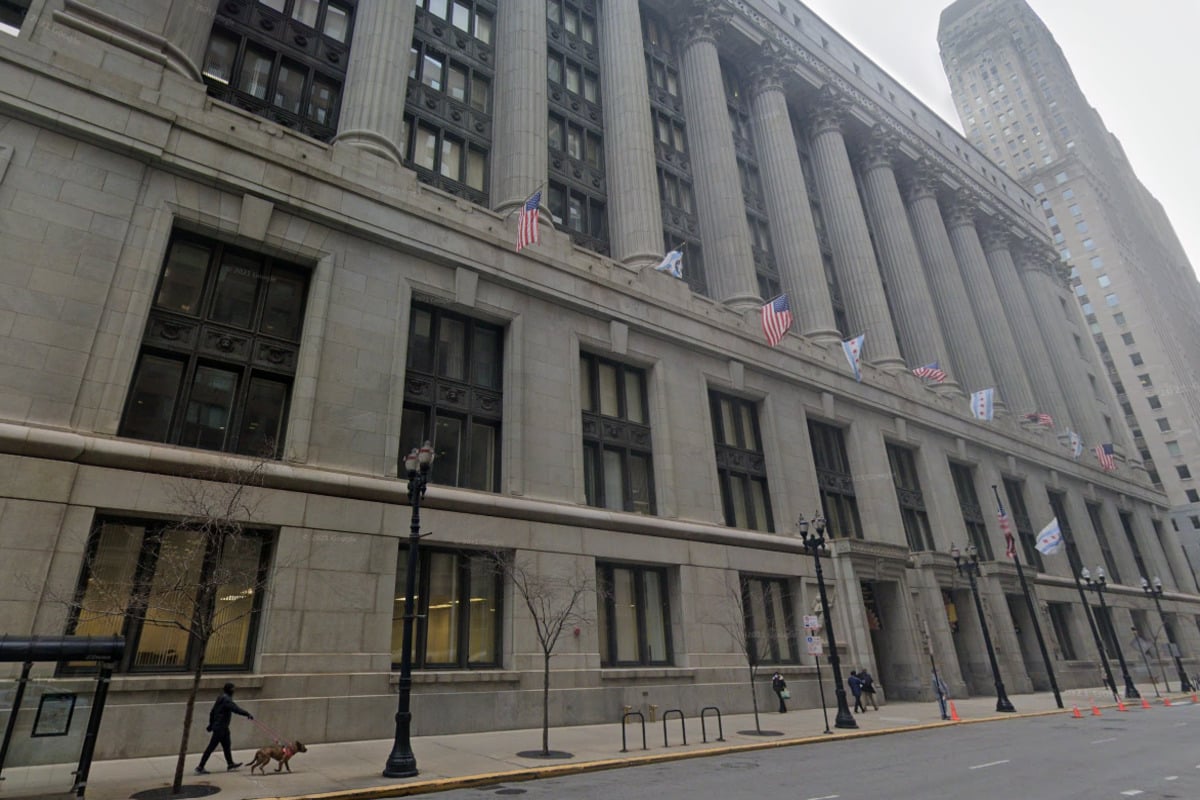
Chicago’s budget has taken a significant hit due to the COVID-19 pandemic, with Mayor Lori Lightfoot announcing a projected shortfall of approximately $700 million for the city’s 2020 finances. This stark revelation comes as the city grapples with a sharp decline in revenue from key sectors such as hotels, restaurants, and parking taxes, which plummeted in March and April 2020.
In a press conference, Lightfoot characterized the budget projection as “sobering,” acknowledging the financial strain caused by the pandemic. As a response, the administration is exploring various options, including refinancing savings, departmental spending cuts, and seeking federal support for essential services like public health and housing. Notably, the city has also canceled major summer events, including Taste of Chicago and Lollapalooza, both of which typically contribute significantly to local revenues.
Immediate Measures to Address the Shortfall
At a June 2020 press briefing, Lightfoot outlined a short-term strategy focused on one-time refinancing savings and budget cuts. She warned that the financial gap could widen if COVID-19 cases surged again. The mayor emphasized that funds from the CARES Act could not be used to offset the city’s general fund, as they are legally restricted to pandemic-related expenses. According to ABC7 Chicago, the city lost around $175 million during the initial months of the pandemic and had secured approximately $100 million through refinancing to help mitigate the losses.
The Lightfoot administration proposed appropriating over $1.1 billion in federal CARES funds to address both public health and economic impacts, while clarifying that this funding could not replace lost tax revenues. Reports from WBEZ indicate that budget officials have allocated about $376.7 million for the city’s airports and approximately $189.3 million for public health initiatives, with additional funds designated for housing assistance and support for small businesses.
Long-Term Implications and Equity Considerations
City leaders emphasized refinancing, hiring freezes, and postponed projects as immediate strategies to narrow the budget gap, viewing layoffs and tax increases as last resorts. The Chicago Sun-Times highlighted that the revised estimate of $700 million surpassed an earlier forecast of $500 million, with Lightfoot indicating that property tax hikes would only be considered if all other options were exhausted.
In addressing these budgetary challenges, Lightfoot focused on equity, asserting that resources and relief efforts must prioritize communities most affected by the virus. According to WTTW, around three-quarters of the city’s COVID-19-related deaths at the time occurred among Black or Latino residents. This statistic influenced the mayor’s emphasis on supporting housing, homeless services, and health spending within the CARES funding framework.
The budgetary decisions made in 2020 have had lingering effects as the city continues to navigate fiscal challenges. The struggle for financial stability has resurfaced in discussions surrounding the current administration of Mayor Brandon Johnson, who is now facing similar budgetary constraints, with projected shortfalls nearing $1 billion. Recent coverage indicates that debates over corporate levies and potential property tax increases remain contentious as the city seeks sustainable revenue sources.
These ongoing budgetary discussions underscore the critical choices faced by Chicago’s leaders, as the impacts of the pandemic continue to shape fiscal policy and community support initiatives. As the city looks to recover, the balance between immediate relief and long-term financial health remains a complex and pressing issue.

Funko’s Price Target Increased to $4.00 as Analysts React

Humboldt Celebrates as ‘One Battle After Another’ Claims Best Picture

GSK Faces Backlash Over Asthma Inhaler Scrapping, Children Suffer

Adorable Sandhill Crane Colt Hugs Mom in The Villages

USA Unveils Star-Spangled Jerseys Ahead of March Friendlies

Newport Plans Colorful Lighting for Fourth Street Bridge

Sandia Scientists Honored for Innovative Career Journeys

Urgent: Charles M. Payment Passes Away at 78, Memorial Details Inside

NFL Free Agency: Key Moves and Player Signings in Week One

Researchers Launch $1.25M Project for Real-Time Hazard Monitoring in Hawaiʻi

Send It South Revives Culture and Community at The Momentary

UK Government Borrowing Hits £20.2 Billion in September Surge

Flipkart Republic Day Sale: iPhone 16 Plus Price Slashed by ₹23,900

Adecco SA Secures Mixed Ratings from Analysts Amid Earnings Update

Researchers Achieve Record 15.1 mA/cm² Hydrogen Production Efficiency

Globant Reveals Key Tech Forces Shaping Business in 2026

Dua Lipa Aces GCSE Spanish, Sparks Super Bowl Buzz with Fans

Inventor Achieves Breakthrough with 2 Billion FPS Laser Video
-
 Science8 months ago
Researchers Launch $1.25M Project for Real-Time Hazard Monitoring in Hawaiʻi
-
 Entertainment7 months ago
Send It South Revives Culture and Community at The Momentary
-
 World10 months ago
UK Government Borrowing Hits £20.2 Billion in September Surge
-
 Business6 months ago
Flipkart Republic Day Sale: iPhone 16 Plus Price Slashed by ₹23,900
-
 Sports8 months ago
Adecco SA Secures Mixed Ratings from Analysts Amid Earnings Update
-
 Top Stories5 months ago
Researchers Achieve Record 15.1 mA/cm² Hydrogen Production Efficiency
-
 Business8 months ago
Globant Reveals Key Tech Forces Shaping Business in 2026
-
 Entertainment10 months ago
Dua Lipa Aces GCSE Spanish, Sparks Super Bowl Buzz with Fans
-
 Science10 months ago
Inventor Achieves Breakthrough with 2 Billion FPS Laser Video
-

 Top Stories10 months ago
Charlie Sheen’s New Romance: ‘Glowing’ with Younger Partner
-

 Top Stories8 months ago
JSerra Names Hardy Nickerson as First Black Football Coach
-

 Health10 months ago
Community Unites for 7th Annual Into the Light Walk for Mental Health