
Business
French-German Fighter Program Faces Uncertainty Amid Airbus Dispute

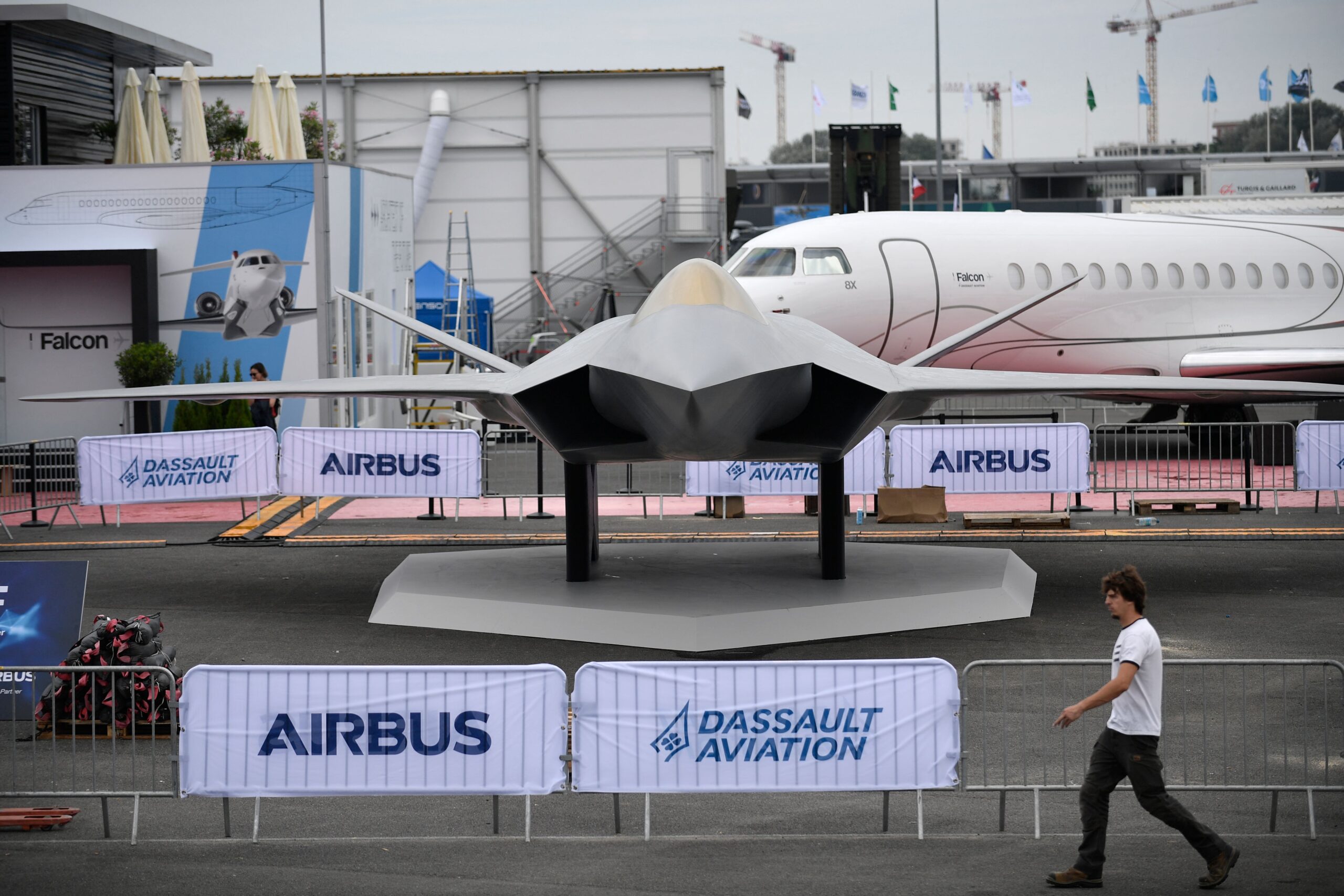
The French-German initiative to develop a future combat air system (FCAS) is in jeopardy as tensions rise between Dassault Aviation and Airbus. Eric Trappier, CEO of Dassault, indicated on March 6, 2024, that the program could collapse if Airbus continues to resist collaboration on the next-generation fighter aircraft that lies at the project’s core. “If Airbus maintains its position of not wanting to work with Dassault, the matter is dead,” Trappier stated during a press conference near Paris.
The FCAS project, which was announced in 2017 by French President Emmanuel Macron and then-German Chancellor Angela Merkel, aims to create a comprehensive air combat system that includes advanced technologies such as drones and a combat data cloud. However, longstanding disputes over project management and responsibilities have created friction between the two aerospace giants.
Leadership Disputes and Project Dynamics
Trappier noted that France was designated as the lead nation for the combat aircraft early in the project, with Dassault tasked with leading the fighter pillar. He emphasized the necessity of a clear leader to ensure effective development. “To develop combat aircraft of this level for the future, we need a leader,” he asserted.
Despite the established roles, Airbus has sought to reduce Dassault’s influence, proposing a more collaborative approach that Trappier rejected. He insisted that Dassault is adhering to its contractual obligations while accusing Airbus of not maintaining the initial project framework. “It’s now up to the governments to arbitrate,” he remarked.
In a recent interview, German Chancellor Friedrich Merz indicated that Germany does not currently require the same aircraft as France, which necessitates a fighter capable of carrier operations and nuclear deployment. Trappier expressed confidence that operational requirements had been agreed upon by both nations, despite not having communicated directly with Merz.
Communication Breakdown and Future Prospects
Trappier criticized Airbus for its reliance on external organizations, such as the labor union IG Metall and the German Aerospace Industries Association (BDLI), for communication rather than addressing issues directly. The BDLI recently voiced support for a “two-aircraft solution” to resolve the ongoing deadlock, a concept that neither Dassault nor the French government endorse.
While Trappier expressed willingness to develop a combat aircraft independently if required, he maintained that a singular vision is crucial for the FCAS. He stated that Dassault could achieve this at a cost of “well below” €50 billion. Additionally, he underscored the unique expertise Dassault possesses in combat jet manufacturing, contrasting it with Airbus’s capabilities in commercial aviation.
As phase one of the FCAS fighter program nears completion, Trappier highlighted that negotiations for phase two have yet to commence due to existing challenges. Unresolved issues include determining leadership for the test-flight program, which has further delayed the development of a demonstrator aircraft.
Looking ahead, Dassault Aviation anticipates negotiating a contract with India for 114 Rafale jets this year, while also working on next-generation aircraft intended for deployment well past the 2040s. The company expects the F5 standard of the Rafale, which will integrate unmanned stealth drones, to enter service around 2035.
The future of the FCAS project now hinges on the outcomes of discussions between the French and German governments, as both parties seek to navigate the complexities of their partnership amid significant industry pressures.

Funko’s Price Target Increased to $4.00 as Analysts React

Humboldt Celebrates as ‘One Battle After Another’ Claims Best Picture

GSK Faces Backlash Over Asthma Inhaler Scrapping, Children Suffer

Adorable Sandhill Crane Colt Hugs Mom in The Villages

USA Unveils Star-Spangled Jerseys Ahead of March Friendlies

Newport Plans Colorful Lighting for Fourth Street Bridge

Sandia Scientists Honored for Innovative Career Journeys

Urgent: Charles M. Payment Passes Away at 78, Memorial Details Inside

NFL Free Agency: Key Moves and Player Signings in Week One

Researchers Launch $1.25M Project for Real-Time Hazard Monitoring in Hawaiʻi

UK Government Borrowing Hits £20.2 Billion in September Surge

Send It South Revives Culture and Community at The Momentary

Flipkart Republic Day Sale: iPhone 16 Plus Price Slashed by ₹23,900

Inventor Achieves Breakthrough with 2 Billion FPS Laser Video

Dua Lipa Aces GCSE Spanish, Sparks Super Bowl Buzz with Fans

Charlie Sheen’s New Romance: ‘Glowing’ with Younger Partner

Community Unites for 7th Annual Into the Light Walk for Mental Health

Mother Fights to Reunite with Children After Kidnapping in New Drama
-
 Science4 months ago
Researchers Launch $1.25M Project for Real-Time Hazard Monitoring in Hawaiʻi
-
 World6 months ago
UK Government Borrowing Hits £20.2 Billion in September Surge
-
 Entertainment4 months ago
Send It South Revives Culture and Community at The Momentary
-
 Business3 months ago
Flipkart Republic Day Sale: iPhone 16 Plus Price Slashed by ₹23,900
-
 Science6 months ago
Inventor Achieves Breakthrough with 2 Billion FPS Laser Video
-
 Entertainment6 months ago
Dua Lipa Aces GCSE Spanish, Sparks Super Bowl Buzz with Fans
-
 Top Stories6 months ago
Charlie Sheen’s New Romance: ‘Glowing’ with Younger Partner
-
 Health6 months ago
Community Unites for 7th Annual Into the Light Walk for Mental Health
-
 Entertainment6 months ago
Mother Fights to Reunite with Children After Kidnapping in New Drama
-

 Entertainment6 months ago
Olivia Plath Opens Up About Her Marriage Struggles and Divorce
-

 Top Stories5 months ago
T-Mobile Faces Backlash Over New Late Fees, Customers Flee
-

 Science6 months ago
AI Gun Detection System Mistakes Doritos for Weapon, Sparks Outrage