
Business
Hawaii Lawmakers Prepare for Economic Challenges in 2026 Session

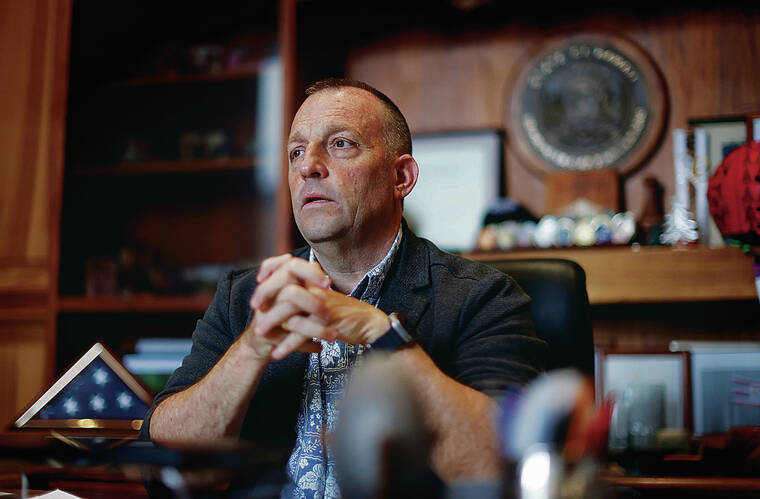
Hawaii’s lawmakers are gearing up for a challenging 2026 legislative session, anticipating continued federal funding cuts. Governor Josh Green is considering utilizing the state’s $1.6 billion “rainy day fund” to mitigate the impact of lost financial support. This comes in the wake of the devastating wildfire that struck Lahaina on August 8, 2023, resulting in damages exceeding $13 billion and claiming 102 lives. Despite the severity of the situation, Green and legislators opted not to tap into the reserve funds during the crisis.
As the legislative session commences on Wednesday, Green confirmed that tax breaks initiated in 2025 will persist for most taxpayers. However, individuals earning $200,000 or more may see a reduction in their tax benefits starting in 2027. Hawaii’s economy has faced significant challenges throughout 2025, marked by sluggish tourism and soaring grocery prices. The state also provided support to federal workers who were affected by a record 43-day federal government shutdown that started on October 1, 2023.
Despite these difficulties, the state Council on Revenues recently projected a modest economic boost, maintaining its previous forecast. This prediction allows the state to anticipate approximately $9.7 billion in general fund revenue, a 2% increase from the estimated $9.5 billion for the current fiscal year ending on June 30, 2024. Green expressed cautious optimism, stating, “Everyone knows the economy’s tighter than it has been. But we’re in a good position because we’ve been able to make adjustments to keep us intact.”
Legislative Priorities Amid Economic Uncertainty
The 2026 session marks the second year of the Legislature’s 33rd biennium, keeping alive numerous Senate and House bills from last year. Each year, around 3,000 bills are introduced, with Green signing 313 into law last year. The governor’s priorities align closely with those of Senate President Ron Kouchi and House Speaker Nadine Nakamura, focusing on critical issues such as affordable housing, early childhood education, homelessness, and mental health services.
Kouchi emphasized the necessity of expanding affordable housing. Legislative proposals include streamlining development processes and providing financial assistance through subsidies and tax credits. Initiatives also aim to improve homeownership accessibility and strengthen housing authorities, addressing high property insurance costs affecting condominium owners and tackling staff shortages among first responders.
Another priority is to support education and workforce development. The Senate aims to enhance teacher recruitment and retention while exploring policies related to student opportunities at the University of Hawaii. Additionally, the focus on food security includes maintaining access to Supplemental Nutrition Assistance Program (SNAP) benefits and supporting local food banks that were critical during the recent federal shutdown.
Focus on Social Services and Economic Diversification
House Democrats, who hold 42 of the 51 seats, are also prioritizing social services and economic diversification. House Majority Leader Sean Quinlan stated that their agenda includes expanding affordable housing, preserving essential social services, and addressing workforce shortages. “Through economic diversification and long-term planning, we are working to ensure Hawaii is prepared to meet both current challenges and future needs,” Quinlan said.
With an estimated need for 60,000 additional affordable homes, the urgency for housing solutions is evident. The House majority is committed to enhancing opportunities for mixed-income developments and streamlining regulatory processes. Furthermore, oversight of the $600 million allocated to the Department of Hawaiian Home Lands will ensure that resources are used effectively to assist Native Hawaiian families.
Green remains firm in his commitment to maintaining tax benefits for lower-income residents, particularly those earning under $100,000, ensuring that these families continue to receive the support they need. As the session unfolds, lawmakers are determined to navigate the complexities of federal funding uncertainties while striving to provide essential services to their constituents.
In closing, the legislative agenda reflects a collective vision focused on affordability, opportunity, and community responsibility. The session starts against a backdrop of economic challenges and a commitment to addressing the needs of Hawaii’s most vulnerable populations.

Funko’s Price Target Increased to $4.00 as Analysts React

Humboldt Celebrates as ‘One Battle After Another’ Claims Best Picture

GSK Faces Backlash Over Asthma Inhaler Scrapping, Children Suffer

Adorable Sandhill Crane Colt Hugs Mom in The Villages

USA Unveils Star-Spangled Jerseys Ahead of March Friendlies

Newport Plans Colorful Lighting for Fourth Street Bridge

Sandia Scientists Honored for Innovative Career Journeys

Urgent: Charles M. Payment Passes Away at 78, Memorial Details Inside

NFL Free Agency: Key Moves and Player Signings in Week One

Researchers Launch $1.25M Project for Real-Time Hazard Monitoring in Hawaiʻi

Send It South Revives Culture and Community at The Momentary

UK Government Borrowing Hits £20.2 Billion in September Surge

Flipkart Republic Day Sale: iPhone 16 Plus Price Slashed by ₹23,900

Adecco SA Secures Mixed Ratings from Analysts Amid Earnings Update

Researchers Achieve Record 15.1 mA/cm² Hydrogen Production Efficiency

Globant Reveals Key Tech Forces Shaping Business in 2026

Dua Lipa Aces GCSE Spanish, Sparks Super Bowl Buzz with Fans

Inventor Achieves Breakthrough with 2 Billion FPS Laser Video
-
 Science8 months ago
Researchers Launch $1.25M Project for Real-Time Hazard Monitoring in Hawaiʻi
-
 Entertainment7 months ago
Send It South Revives Culture and Community at The Momentary
-
 World9 months ago
UK Government Borrowing Hits £20.2 Billion in September Surge
-
 Business6 months ago
Flipkart Republic Day Sale: iPhone 16 Plus Price Slashed by ₹23,900
-
 Sports8 months ago
Adecco SA Secures Mixed Ratings from Analysts Amid Earnings Update
-
 Top Stories5 months ago
Researchers Achieve Record 15.1 mA/cm² Hydrogen Production Efficiency
-
 Business8 months ago
Globant Reveals Key Tech Forces Shaping Business in 2026
-
 Entertainment10 months ago
Dua Lipa Aces GCSE Spanish, Sparks Super Bowl Buzz with Fans
-
 Science10 months ago
Inventor Achieves Breakthrough with 2 Billion FPS Laser Video
-

 Top Stories10 months ago
Charlie Sheen’s New Romance: ‘Glowing’ with Younger Partner
-

 Top Stories8 months ago
JSerra Names Hardy Nickerson as First Black Football Coach
-

 Health10 months ago
Community Unites for 7th Annual Into the Light Walk for Mental Health