
Business
Japan Invests 1 Trillion Yen to Revitalize Shipbuilding Industry

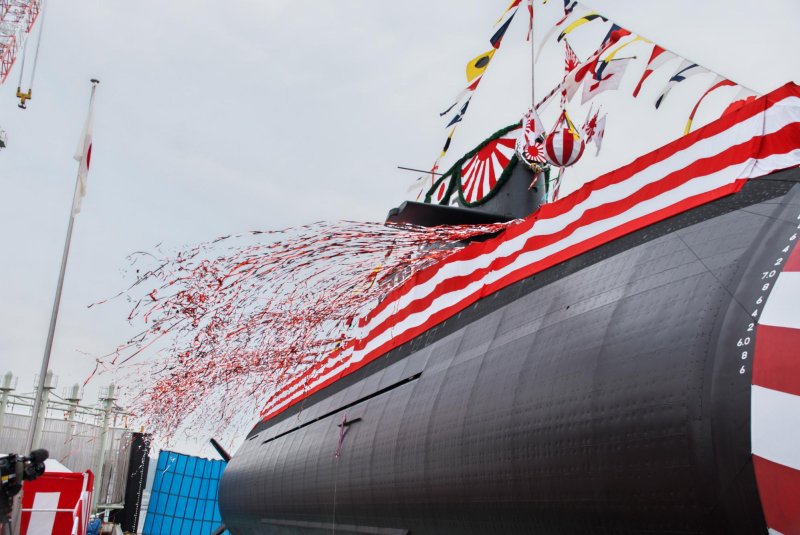
Japan is taking significant steps to revive its shipbuilding industry, which has experienced a prolonged downturn. The government has announced a substantial support fund of 1 trillion yen (approximately $6.42 billion) and is preparing a strategic initiative called the “Shipbuilding Revitalization Roadmap.” This initiative aims to redefine shipbuilding as a critical national industry and strengthen the connection between the shipping and shipbuilding sectors.
The shift comes as Japan seeks to regain its footing in the global shipbuilding market, where it has faced intense competition from South Korea and China. Once a dominant force in the industry, Japan accounted for nearly half of the world’s shipbuilding volume in the early 1970s. However, after the oil crisis, investments in large-scale facilities dwindled, primarily due to fluctuations in shipping markets and uncertainty regarding ship demand. As a result, South Korea and China emerged as leaders in global shipbuilding, bolstered by government support and investment.
Japan’s current market share of global merchant-ship orders remains in the single digits, underscoring the urgency of the government’s revitalization efforts. The initiative is driven by a recognition that shipbuilding is essential not only for economic competitiveness but also for national infrastructure.
Strategic Goals and Industry Collaboration
The Japanese government’s strategy goes beyond simply injecting financial resources into individual companies. Officials have set an ambitious goal of doubling the annual shipbuilding volume over the next decade. This effort includes prioritizing a more robust production base and reviving technological and design capabilities.
A key aspect of the revitalization plan is fostering closer coordination between shipbuilders and shipping lines. Recent agreements between major shipping groups and shipbuilding and design firms aim to standardize designs for next-generation fuel vessels. This collaboration seeks to link domestic industries from the ordering stage through to operations, enhancing overall competitiveness.
This approach stands in contrast to South Korea’s export-driven shipbuilding model, which focuses on competing globally for orders from shipowners. Japan, on the other hand, is emphasizing its alliance with domestic shipping as a central element of its industrial strategy.
Future Implications and Challenges
While South Korea currently holds a competitive edge in high-value-added vessel types, Japan’s renewed focus on shipbuilding reflects a change in its national perspective on the industry. The government is framing shipbuilding not merely as an export sector but as a foundational industry supporting maritime logistics, citizens’ livelihoods, and national security.
Despite these ambitious plans, questions remain about how Japan can ensure the industry’s sustainability amid inherent cyclical volatility. It is still too early to assess whether Japan’s reconstruction efforts will yield tangible results. Nevertheless, the Japanese government and industry have brought shipbuilding back to the forefront of national strategy, signaling a potential shift in the East Asian shipbuilding landscape.
As Japan embarks on this revitalization journey, the global shipbuilding community will be watching closely to see how these changes unfold and what impact they may have on the broader industry dynamics.

Funko’s Price Target Increased to $4.00 as Analysts React

Humboldt Celebrates as ‘One Battle After Another’ Claims Best Picture

GSK Faces Backlash Over Asthma Inhaler Scrapping, Children Suffer

Adorable Sandhill Crane Colt Hugs Mom in The Villages

USA Unveils Star-Spangled Jerseys Ahead of March Friendlies

Newport Plans Colorful Lighting for Fourth Street Bridge

Sandia Scientists Honored for Innovative Career Journeys

Urgent: Charles M. Payment Passes Away at 78, Memorial Details Inside

NFL Free Agency: Key Moves and Player Signings in Week One

Researchers Launch $1.25M Project for Real-Time Hazard Monitoring in Hawaiʻi

Send It South Revives Culture and Community at The Momentary

UK Government Borrowing Hits £20.2 Billion in September Surge

Flipkart Republic Day Sale: iPhone 16 Plus Price Slashed by ₹23,900

Adecco SA Secures Mixed Ratings from Analysts Amid Earnings Update

Researchers Achieve Record 15.1 mA/cm² Hydrogen Production Efficiency

Globant Reveals Key Tech Forces Shaping Business in 2026

Inventor Achieves Breakthrough with 2 Billion FPS Laser Video

Dua Lipa Aces GCSE Spanish, Sparks Super Bowl Buzz with Fans
-
 Science8 months ago
Researchers Launch $1.25M Project for Real-Time Hazard Monitoring in Hawaiʻi
-
 Entertainment7 months ago
Send It South Revives Culture and Community at The Momentary
-
 World10 months ago
UK Government Borrowing Hits £20.2 Billion in September Surge
-
 Business6 months ago
Flipkart Republic Day Sale: iPhone 16 Plus Price Slashed by ₹23,900
-
 Sports8 months ago
Adecco SA Secures Mixed Ratings from Analysts Amid Earnings Update
-
 Top Stories5 months ago
Researchers Achieve Record 15.1 mA/cm² Hydrogen Production Efficiency
-
 Business8 months ago
Globant Reveals Key Tech Forces Shaping Business in 2026
-
 Science10 months ago
Inventor Achieves Breakthrough with 2 Billion FPS Laser Video
-
 Entertainment10 months ago
Dua Lipa Aces GCSE Spanish, Sparks Super Bowl Buzz with Fans
-

 Top Stories10 months ago
Charlie Sheen’s New Romance: ‘Glowing’ with Younger Partner
-

 Top Stories8 months ago
JSerra Names Hardy Nickerson as First Black Football Coach
-

 Health10 months ago
Community Unites for 7th Annual Into the Light Walk for Mental Health