
Entertainment
Cartoonist Critiques FCC’s New Challenges for Late-Night TV

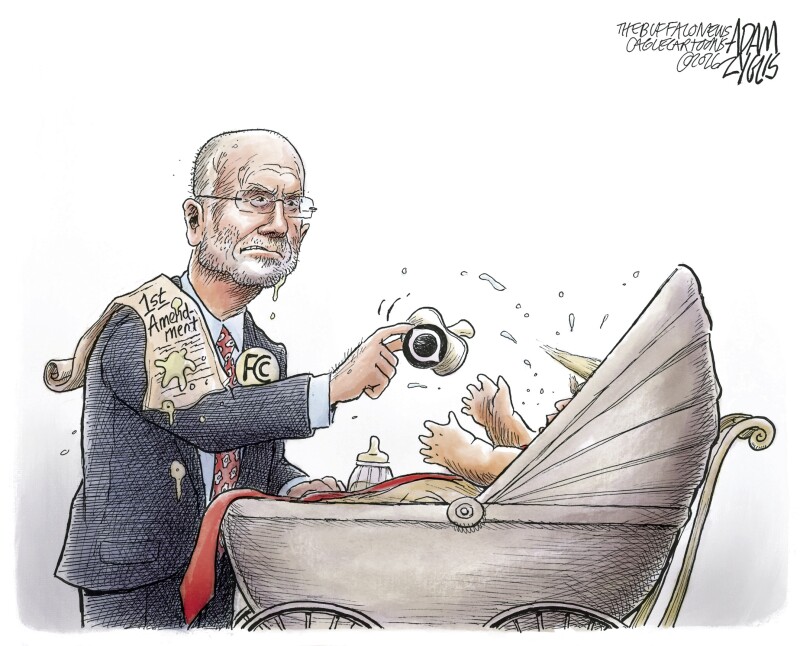
A recent editorial cartoon published on February 20, 2026, addresses the ongoing challenges faced by late-night network television, particularly in relation to new regulations proposed by the Federal Communications Commission (FCC). The cartoon reflects the cartoonist’s perspective on how these changes may impact the landscape of late-night programming and the freedom of expression for television hosts.
Cartoonist’s Perspective on FCC Regulations
The cartoonist employs humor and satire to highlight the tension between regulatory bodies and creative expression. As the FCC considers stricter guidelines that could affect content aired during late-night slots, the cartoon suggests potential ramifications for both broadcasters and audiences. This artistic commentary resonates amidst growing concerns over censorship and the role of government oversight in media.
The editorial cartoon serves as a reminder of the delicate balance between maintaining standards and allowing creative freedom. It points out that such regulations could stifle the spontaneity that late-night television is known for, potentially altering the format that has entertained audiences for decades.
Readers are invited to share their thoughts on this interpretation by reaching out to the WCT Tribune at the provided feedback email. The publication encourages dialogue about the pressing issues surrounding media content and viewer engagement.
Impact on Viewers and Hosts
As the FCC deliberates on these new rules, late-night hosts are left to navigate an uncertain future. The cartoon encapsulates the anxiety felt by many in the industry regarding how these regulations could limit their creative choices. This potential shift raises questions about the overall direction of television programming in a rapidly changing media landscape.
With the cartoon serving as a visual commentary on these developments, it sparks an essential conversation about artistic expression in the face of regulation. The response from viewers can help shape the dialogue around these issues, emphasizing the importance of keeping late-night television vibrant and relevant.
In summary, the editorial cartoon published on February 20, 2026, brings to light the challenges posed by the FCC to late-night television, urging viewers and industry professionals alike to consider the implications of regulatory oversight on creative freedom.

Funko’s Price Target Increased to $4.00 as Analysts React

Humboldt Celebrates as ‘One Battle After Another’ Claims Best Picture

GSK Faces Backlash Over Asthma Inhaler Scrapping, Children Suffer

Adorable Sandhill Crane Colt Hugs Mom in The Villages

USA Unveils Star-Spangled Jerseys Ahead of March Friendlies

Newport Plans Colorful Lighting for Fourth Street Bridge

Sandia Scientists Honored for Innovative Career Journeys

Urgent: Charles M. Payment Passes Away at 78, Memorial Details Inside

NFL Free Agency: Key Moves and Player Signings in Week One

Researchers Launch $1.25M Project for Real-Time Hazard Monitoring in Hawaiʻi

Send It South Revives Culture and Community at The Momentary

UK Government Borrowing Hits £20.2 Billion in September Surge

Flipkart Republic Day Sale: iPhone 16 Plus Price Slashed by ₹23,900

Adecco SA Secures Mixed Ratings from Analysts Amid Earnings Update

Researchers Achieve Record 15.1 mA/cm² Hydrogen Production Efficiency

Globant Reveals Key Tech Forces Shaping Business in 2026

Dua Lipa Aces GCSE Spanish, Sparks Super Bowl Buzz with Fans

Inventor Achieves Breakthrough with 2 Billion FPS Laser Video
-
 Science8 months ago
Researchers Launch $1.25M Project for Real-Time Hazard Monitoring in Hawaiʻi
-
 Entertainment7 months ago
Send It South Revives Culture and Community at The Momentary
-
 World9 months ago
UK Government Borrowing Hits £20.2 Billion in September Surge
-
 Business6 months ago
Flipkart Republic Day Sale: iPhone 16 Plus Price Slashed by ₹23,900
-
 Sports8 months ago
Adecco SA Secures Mixed Ratings from Analysts Amid Earnings Update
-
 Top Stories5 months ago
Researchers Achieve Record 15.1 mA/cm² Hydrogen Production Efficiency
-
 Business8 months ago
Globant Reveals Key Tech Forces Shaping Business in 2026
-
 Entertainment10 months ago
Dua Lipa Aces GCSE Spanish, Sparks Super Bowl Buzz with Fans
-
 Science10 months ago
Inventor Achieves Breakthrough with 2 Billion FPS Laser Video
-

 Top Stories10 months ago
Charlie Sheen’s New Romance: ‘Glowing’ with Younger Partner
-

 Top Stories8 months ago
JSerra Names Hardy Nickerson as First Black Football Coach
-

 Health10 months ago
Community Unites for 7th Annual Into the Light Walk for Mental Health