
Entertainment
Five DC Comics Covers That Elicited Strong Reactions

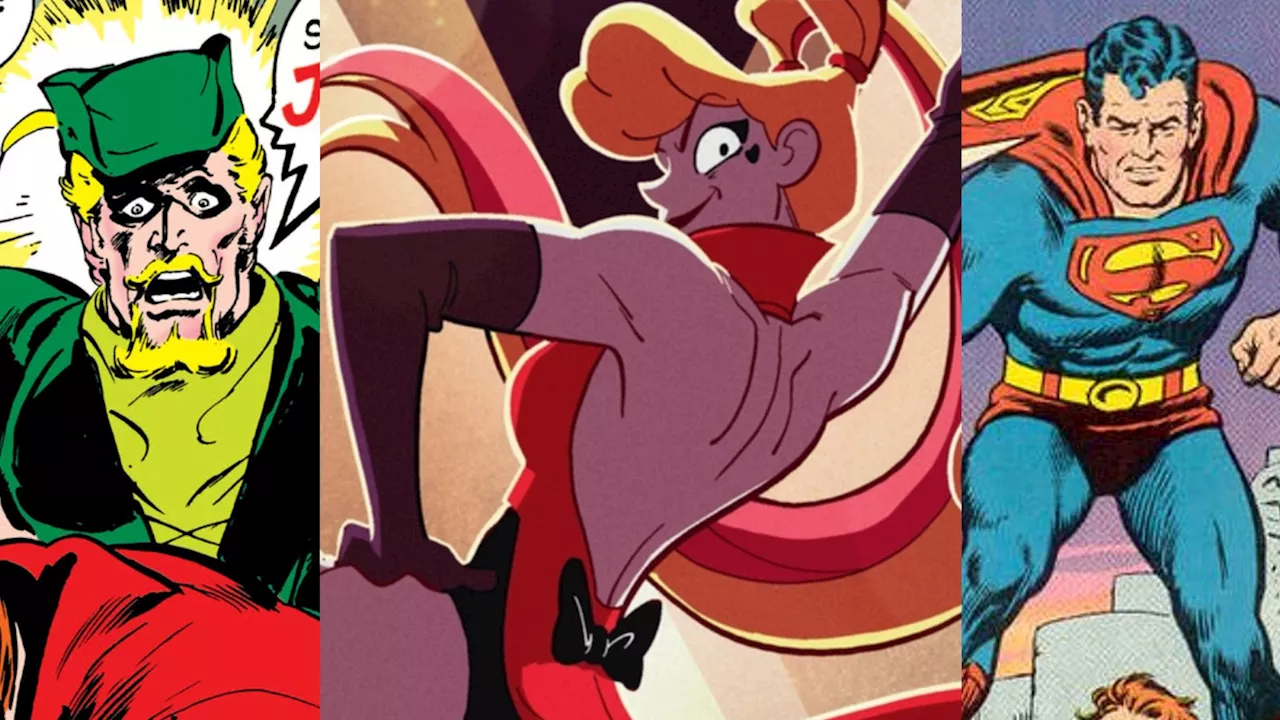
DC Comics has long been celebrated for its striking cover art, showcasing some of the most memorable visuals in the comic book industry. However, the publisher has also produced a number of covers that have drawn criticism for their dated or uncomfortable imagery. This article examines five such examples that missed the mark, highlighting how perceptions of art and storytelling have evolved over time.
Iconic Hits and Notable Misses
As one of the two dominant forces in the comic book realm, DC Comics has a rich history filled with both artistic triumphs and notable blunders. While fans can easily recall iconic covers featuring beloved characters, it is essential to acknowledge that even a powerhouse like DC has released covers that raise eyebrows. From outdated portrayals to contemporary missteps, the following examples illustrate how the medium has sometimes faltered.
Among the older works, the cover of a 1971 issue featuring Roy Harper, known as Speedy, is particularly shocking. The artwork depicts Harper about to inject drugs, a stark and troubling image that reflects the realities of substance abuse. This cover, part of the “Hard-Traveling Heroes” storyline, aimed to address pressing social issues but has remained a point of contention for many readers due to its stark portrayal. The impact of such imagery is felt even today, as it challenges modern audiences to confront uncomfortable truths.
Uncomfortable Representations
Another cover that has drawn scrutiny is the one featuring Wonder Woman and her companion, Steve Trevor, held captive by the villain Egg Fu. This character is a minor antagonist, but the cover reflects deeply problematic stereotypes, drawing from the “Yellow Peril” rhetoric that has plagued comic narratives in the past. Seeing a strong character like Wonder Woman, who embodies ideals of equality and compassion, juxtaposed with such offensive imagery is disconcerting for contemporary readers.
Moreover, the cover of Harley Quinn Fartacular: Silent Butt Deadly #1 stands out for its bizarre approach. The artwork features Harley Quinn in a humorous yet crude depiction, emphasizing bodily functions. Notably, the comic included a scratch-and-sniff feature, which many found to be in poor taste. This cover exemplifies how modern creators sometimes prioritize shock value over substance, leaving fans divided on its merit.
Furthermore, the cover of the very first issue of DC Comics introduced Fui Onyui, a character that embodies racist stereotypes. This portrayal has not only been criticized for its insensitivity but has also faded into obscurity, illustrating how the industry has attempted to distance itself from such hateful depictions. The fact that this cover came from a title that helped define the DC brand adds a layer of complexity to its problematic legacy.
Reflecting on Artistic Evolution
The discussion around these covers highlights a significant evolution in the comic book industry. As societal values shift, so too do the expectations of readers regarding representation and sensitivity in art. While DC Comics has an impressive array of covers that resonate positively with fans, these examples remind us that the journey toward responsible storytelling is ongoing.
In conclusion, the world of comics is filled with a diverse range of artistic expressions, some of which resonate deeply while others provoke discomfort. As DC Comics continues to create and innovate, the hope is that future covers will reflect a more thoughtful approach to the themes and images presented. What is your take on the most memorable DC Comics cover? Share your thoughts in the comments.

Funko’s Price Target Increased to $4.00 as Analysts React

Humboldt Celebrates as ‘One Battle After Another’ Claims Best Picture

GSK Faces Backlash Over Asthma Inhaler Scrapping, Children Suffer

Adorable Sandhill Crane Colt Hugs Mom in The Villages

USA Unveils Star-Spangled Jerseys Ahead of March Friendlies

Newport Plans Colorful Lighting for Fourth Street Bridge

Sandia Scientists Honored for Innovative Career Journeys

Urgent: Charles M. Payment Passes Away at 78, Memorial Details Inside

NFL Free Agency: Key Moves and Player Signings in Week One

Researchers Launch $1.25M Project for Real-Time Hazard Monitoring in Hawaiʻi

Send It South Revives Culture and Community at The Momentary

UK Government Borrowing Hits £20.2 Billion in September Surge

Flipkart Republic Day Sale: iPhone 16 Plus Price Slashed by ₹23,900

Adecco SA Secures Mixed Ratings from Analysts Amid Earnings Update

Researchers Achieve Record 15.1 mA/cm² Hydrogen Production Efficiency

Globant Reveals Key Tech Forces Shaping Business in 2026

Dua Lipa Aces GCSE Spanish, Sparks Super Bowl Buzz with Fans

Inventor Achieves Breakthrough with 2 Billion FPS Laser Video
-
 Science8 months ago
Researchers Launch $1.25M Project for Real-Time Hazard Monitoring in Hawaiʻi
-
 Entertainment7 months ago
Send It South Revives Culture and Community at The Momentary
-
 World10 months ago
UK Government Borrowing Hits £20.2 Billion in September Surge
-
 Business6 months ago
Flipkart Republic Day Sale: iPhone 16 Plus Price Slashed by ₹23,900
-
 Sports8 months ago
Adecco SA Secures Mixed Ratings from Analysts Amid Earnings Update
-
 Top Stories5 months ago
Researchers Achieve Record 15.1 mA/cm² Hydrogen Production Efficiency
-
 Business8 months ago
Globant Reveals Key Tech Forces Shaping Business in 2026
-
 Entertainment10 months ago
Dua Lipa Aces GCSE Spanish, Sparks Super Bowl Buzz with Fans
-
 Science10 months ago
Inventor Achieves Breakthrough with 2 Billion FPS Laser Video
-

 Top Stories10 months ago
Charlie Sheen’s New Romance: ‘Glowing’ with Younger Partner
-

 Top Stories8 months ago
JSerra Names Hardy Nickerson as First Black Football Coach
-

 Health10 months ago
Community Unites for 7th Annual Into the Light Walk for Mental Health