
Entertainment
Media Landscape in 2026: Challenges Loom for Journalism and Film

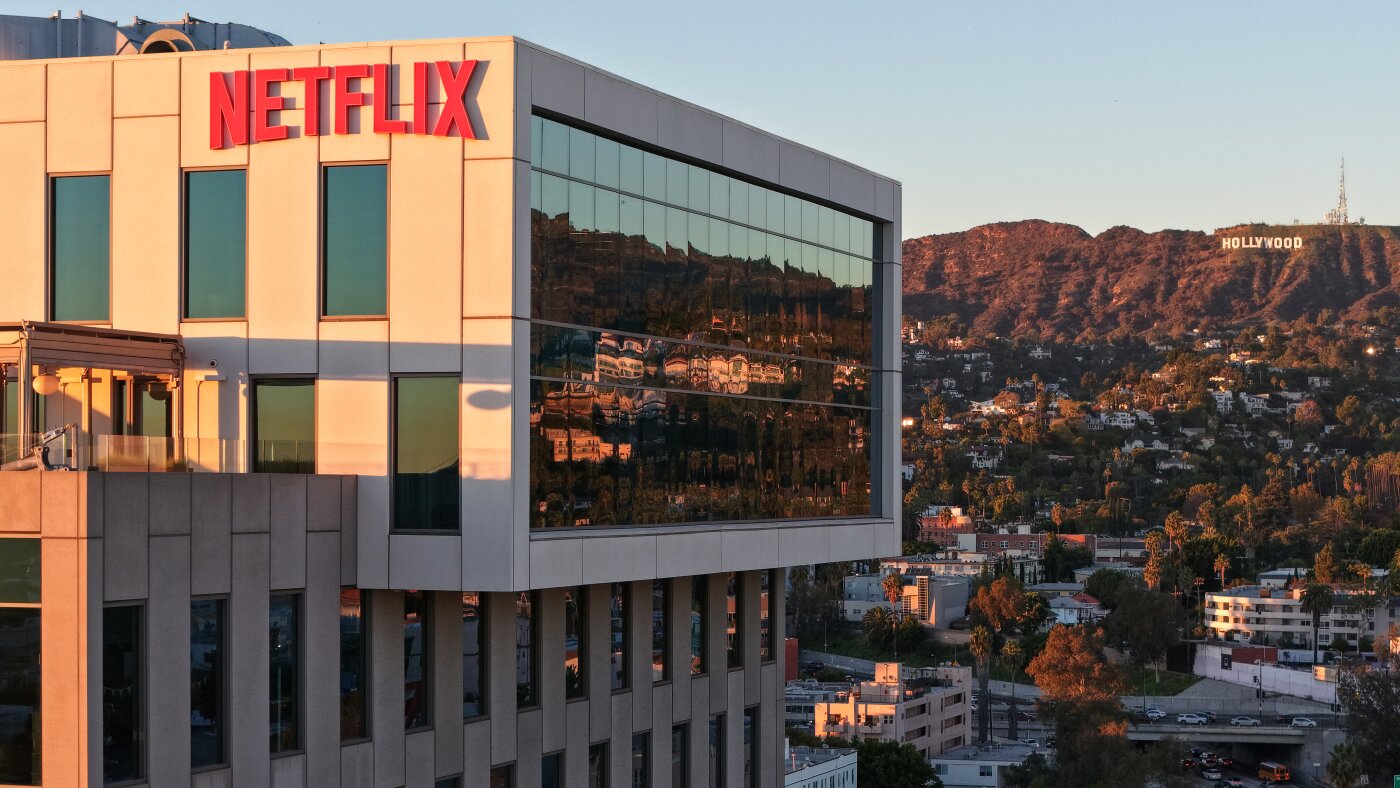
The media environment in 2026 is poised for significant upheaval, impacting everything from traditional journalism to the film industry. As misinformation proliferates and ownership consolidates, outlets will face increasing difficulties in regaining public trust. The ongoing battle for control of Warner Bros. Discovery, involving major players like Netflix and Paramount, symbolizes the challenges ahead.
The largest media acquisition in recent years is unfolding, with Netflix currently in a strong position to acquire Warner Bros. Discovery for approximately $83 billion. This deal encompasses vital assets, including HBO Max and Warner Bros. film studios. However, the potential merger raises concerns about the future of journalism, streaming, and consumer choices. A Netflix victory could lead to a massive combined subscriber base of around 420 million, but it remains uncertain how the new entity will operate. Would it follow a model similar to Disney, allowing existing brands to maintain their identities, or would it prioritize profit by increasing subscription fees and reducing wages for content creators?
Conversely, a win for Paramount, led by CEO David Ellison, poses its own risks. Ellison’s connections to the political sphere, particularly with former President Trump, could influence the editorial direction of news outlets like CNN. The proposed acquisition is backed by significant wealth, including investments from Larry Ellison, which raises questions about the potential for corporate interests to overshadow journalistic integrity.
Film Industry Faces Existential Challenges
The film industry is at a critical juncture, needing to engage audiences in new ways. Recent years have seen a decline in box office revenues, with many studios attributing their struggles to streaming platforms. However, the trend of releasing films directly to streaming has contributed to a diminished theater experience. In 2025, only one of the top ten highest-grossing films was based on an original idea, emphasizing the need for studios to develop compelling narratives that draw people back to cinemas.
The industry’s reliance on predictable blockbusters and franchises has backfired. With streaming services providing extensive libraries, audiences are less incentivized to visit theaters. As the competition intensifies, the film sector must articulate a strong value proposition to rejuvenate interest in cinema-going, irrespective of the outcome of the Warner Bros. Discovery deal.
Trust in Traditional Journalism Erodes
The landscape for traditional news outlets is becoming increasingly precarious. CBS News exemplifies this trend, with new evening anchor Tony Dokoupil suggesting that previous reporting had neglected the perspectives of regular viewers. His comments have sparked concerns that the network may be shifting its editorial focus under the influence of ownership changes, particularly with the appointment of editor-in-chief Bari Weiss. Weiss’s controversial decision to delay a story on immigration reflects broader worries about editorial independence in the face of political pressures.
The Trump administration has consistently criticized mainstream media for perceived biases in reporting on race and diversity. As the administration pushes for an end to diversity initiatives, traditional news organizations face challenges in maintaining accurate and comprehensive reporting. The potential for a return to racially biased narratives raises serious implications for media integrity.
Public Media Adapts to Funding Cuts
Despite the challenges, public media has shown resilience. Following significant federal funding cuts in mid-2025, community efforts have emerged to support local stations. Initiatives from organizations such as the MacArthur Foundation and the Knight Foundation have provided essential resources to help rural outlets remain operational. Additionally, audience donations have increased, highlighting a commitment to the value of public media.
While some critics argue that these community-based efforts negate the need for federal funding, the loss of such support presents a notable gap. Public media’s ability to deliver unbiased content relies on a diverse funding base, ensuring that all Americans can participate in shaping the media landscape.
As the media world prepares for 2026, the need for ethical journalism and high-quality storytelling remains paramount. The outcomes of major acquisitions and political pressures will significantly shape the future, highlighting the importance of public engagement and support. The evolving landscape calls for a reimagining of how media outlets operate, ensuring that they serve the public interest while navigating the complexities of a changing environment.

Funko’s Price Target Increased to $4.00 as Analysts React

Humboldt Celebrates as ‘One Battle After Another’ Claims Best Picture

GSK Faces Backlash Over Asthma Inhaler Scrapping, Children Suffer

Adorable Sandhill Crane Colt Hugs Mom in The Villages

USA Unveils Star-Spangled Jerseys Ahead of March Friendlies

Newport Plans Colorful Lighting for Fourth Street Bridge

Sandia Scientists Honored for Innovative Career Journeys

Urgent: Charles M. Payment Passes Away at 78, Memorial Details Inside

NFL Free Agency: Key Moves and Player Signings in Week One

Researchers Launch $1.25M Project for Real-Time Hazard Monitoring in Hawaiʻi

Send It South Revives Culture and Community at The Momentary

UK Government Borrowing Hits £20.2 Billion in September Surge

Flipkart Republic Day Sale: iPhone 16 Plus Price Slashed by ₹23,900

Adecco SA Secures Mixed Ratings from Analysts Amid Earnings Update

Researchers Achieve Record 15.1 mA/cm² Hydrogen Production Efficiency

Globant Reveals Key Tech Forces Shaping Business in 2026

Dua Lipa Aces GCSE Spanish, Sparks Super Bowl Buzz with Fans

Inventor Achieves Breakthrough with 2 Billion FPS Laser Video
-
 Science8 months ago
Researchers Launch $1.25M Project for Real-Time Hazard Monitoring in Hawaiʻi
-
 Entertainment7 months ago
Send It South Revives Culture and Community at The Momentary
-
 World9 months ago
UK Government Borrowing Hits £20.2 Billion in September Surge
-
 Business6 months ago
Flipkart Republic Day Sale: iPhone 16 Plus Price Slashed by ₹23,900
-
 Sports8 months ago
Adecco SA Secures Mixed Ratings from Analysts Amid Earnings Update
-
 Top Stories5 months ago
Researchers Achieve Record 15.1 mA/cm² Hydrogen Production Efficiency
-
 Business8 months ago
Globant Reveals Key Tech Forces Shaping Business in 2026
-
 Entertainment10 months ago
Dua Lipa Aces GCSE Spanish, Sparks Super Bowl Buzz with Fans
-
 Science10 months ago
Inventor Achieves Breakthrough with 2 Billion FPS Laser Video
-

 Top Stories10 months ago
Charlie Sheen’s New Romance: ‘Glowing’ with Younger Partner
-

 Top Stories8 months ago
JSerra Names Hardy Nickerson as First Black Football Coach
-

 Health10 months ago
Community Unites for 7th Annual Into the Light Walk for Mental Health