
Entertainment
Ten Mystery Films That Redefined the Genre’s Framework

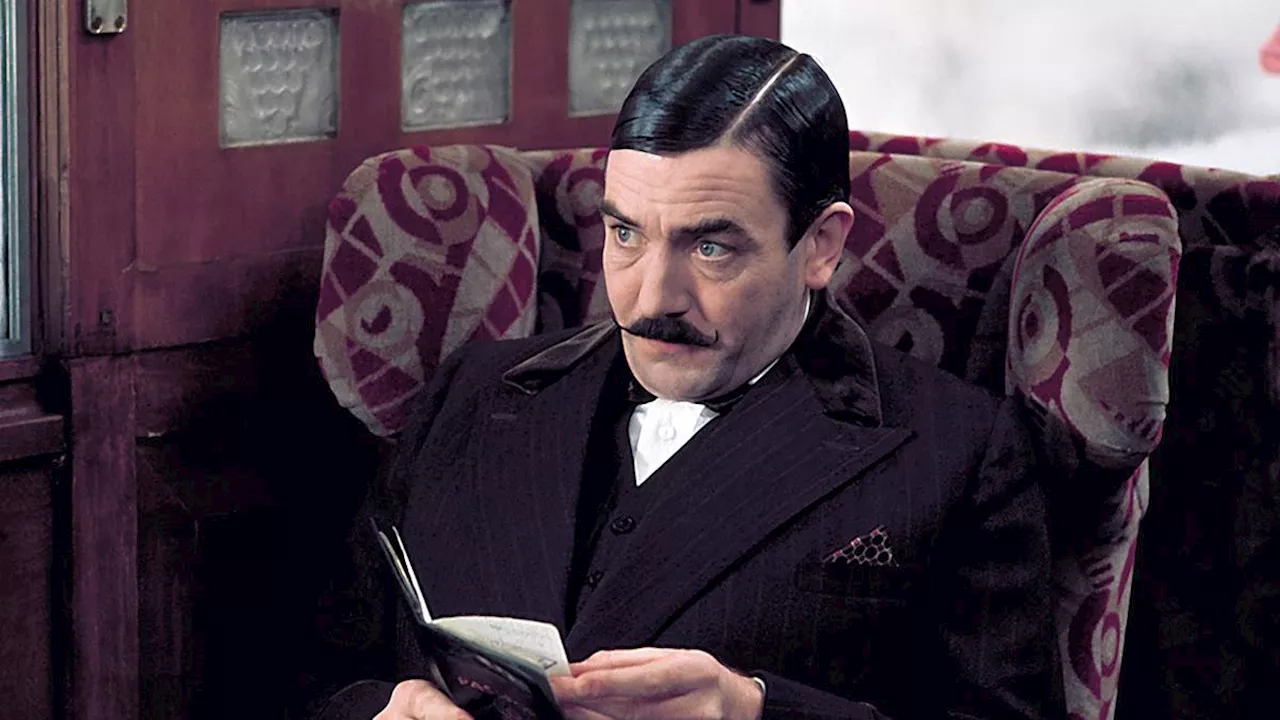
The world of mystery cinema has been profoundly shaped by several key films that have laid the groundwork for the genre as it is known today. These masterpieces not only captivated audiences but also established distinctive frameworks that later films have either emulated or subverted. From classic film noir to contemporary whodunits, these ten films represent significant milestones in the evolution of mystery storytelling.
The Naked City: A Groundbreaking Procedural
Released in 1948, The Naked City is often overlooked yet stands as a pioneering work in crime cinema. It was the first police procedural drama, setting a precedent for the genre. Notably, this film was one of the first major productions shot entirely on location in New York City. Its documentary-style approach enhanced realism, presenting a meticulous investigation into the murder of a former supermodel. While the narrative may seem conventional, its innovative techniques and atmospheric portrayal of the city make it a landmark in mystery filmmaking.
Psycho: The Birth of Slasher Cinema
Alfred Hitchcock’s Psycho, released in 1960, is regarded as a defining moment in the horror and mystery genres. Following the story of Marion Crane, who steals money and meets a grim fate, the film introduced a level of psychological complexity that has influenced countless movies since. Its infamous shower scene remains a benchmark for tension and horror, establishing a template for slasher films to come. Hitchcock’s ability to intertwine horror and mystery has left an indelible mark on cinema.
Knives Out: A Modern Whodunit
In 2019, director Rian Johnson released Knives Out, a fresh take on the classic whodunit format. Featuring a star-studded cast, the film combines humor with a sharp critique of wealth and privilege. It follows detective Benoit Blanc as he investigates the murder of a wealthy author, revealing family secrets along the way. Although it employs familiar tropes, its clever writing and engaging presentation have revitalized interest in the mystery genre for contemporary audiences.
Citizen Kane: A Pioneering Narrative Structure
Often cited as one of the greatest films of all time, Orson Welles’ Citizen Kane (1941) revolutionized filmmaking with its non-linear narrative. The story revolves around a reporter investigating the final words of Charles Foster Kane, leading to a series of flashbacks that unveil his life. This innovative structure has influenced countless filmmakers and established a framework for creating complex, layered narratives that keep audiences engaged.
And Then There Were None: The Whodunit Template
Agatha Christie’s literary works have seen numerous adaptations, but the 1945 film And Then There Were None effectively captured the essence of her storytelling. The film follows eight strangers on an island, each harboring dark secrets, as they are killed one by one. This adaptation not only set the standard for future whodunits but also created a sense of paranoia that resonates in many modern thrillers.
Rear Window: Suspense in a Single Location
Another Hitchcock classic, Rear Window (1954), masterfully builds tension within a confined setting. The film follows L.B. Jeffries, a photographer confined to his apartment, who suspects a neighbor of murder. This single-location narrative is a groundbreaking approach that has inspired numerous films to explore suspenseful storytelling within limited spaces, showcasing the power of setting in crafting a compelling mystery.
M: The Psychological Thriller
Fritz Lang’s M, released in 1931, delves deep into the psychology of a serial killer and the ensuing panic within a community. This film is significant for its exploration of moral dilemmas and the societal impact of crime. It laid the groundwork for future psychological thrillers, using innovative sound techniques and a haunting score to enhance the viewing experience.
Murder on the Orient Express: Redefining the Whodunit
The 1974 adaptation of Murder on the Orient Express, directed by Sidney Lumet, redefined the whodunit genre for a new generation. Following detective Hercule Poirot as he investigates a murder aboard a snowbound train, the film features an ensemble cast, including notable actors such as Ingrid Bergman and Sean Connery. Its lavish production design and intricate plot structure have set a new standard for adaptations of Agatha Christie’s works.
Chinatown: A Neo-Noir Masterpiece
Chinatown, directed by Roman Polanski and released in 1974, is highly regarded for its intricate storytelling and critique of corruption in Los Angeles. The film follows private investigator Jake Gittes as he navigates a web of deceit and betrayal. Its impact on the noir genre is significant, blending classic elements with modern themes, making it a template for future films exploring complex moral landscapes.
The Maltese Falcon: The Iconic Detective Story
Finally, The Maltese Falcon (1941), directed by John Huston, is often heralded as one of the greatest detective films ever made. Based on Dashiell Hammett’s novel, it follows private eye Sam Spade as he searches for a valuable statuette, becoming ensnared in a world of crime and intrigue. Its hard-boiled style and complex characters have influenced generations of filmmakers, solidifying its status as a cornerstone of mystery cinema.
These ten films have not only entertained audiences but have also shaped the narrative and stylistic conventions of the mystery genre. Their influence continues to resonate, inspiring new generations of filmmakers and captivating viewers around the world.

Funko’s Price Target Increased to $4.00 as Analysts React

Humboldt Celebrates as ‘One Battle After Another’ Claims Best Picture

GSK Faces Backlash Over Asthma Inhaler Scrapping, Children Suffer

Adorable Sandhill Crane Colt Hugs Mom in The Villages

USA Unveils Star-Spangled Jerseys Ahead of March Friendlies

Newport Plans Colorful Lighting for Fourth Street Bridge

Sandia Scientists Honored for Innovative Career Journeys

Urgent: Charles M. Payment Passes Away at 78, Memorial Details Inside

NFL Free Agency: Key Moves and Player Signings in Week One

Researchers Launch $1.25M Project for Real-Time Hazard Monitoring in Hawaiʻi

Send It South Revives Culture and Community at The Momentary

UK Government Borrowing Hits £20.2 Billion in September Surge

Flipkart Republic Day Sale: iPhone 16 Plus Price Slashed by ₹23,900

Adecco SA Secures Mixed Ratings from Analysts Amid Earnings Update

Researchers Achieve Record 15.1 mA/cm² Hydrogen Production Efficiency

Globant Reveals Key Tech Forces Shaping Business in 2026

Dua Lipa Aces GCSE Spanish, Sparks Super Bowl Buzz with Fans

Inventor Achieves Breakthrough with 2 Billion FPS Laser Video
-
 Science8 months ago
Researchers Launch $1.25M Project for Real-Time Hazard Monitoring in Hawaiʻi
-
 Entertainment7 months ago
Send It South Revives Culture and Community at The Momentary
-
 World9 months ago
UK Government Borrowing Hits £20.2 Billion in September Surge
-
 Business6 months ago
Flipkart Republic Day Sale: iPhone 16 Plus Price Slashed by ₹23,900
-
 Sports8 months ago
Adecco SA Secures Mixed Ratings from Analysts Amid Earnings Update
-
 Top Stories5 months ago
Researchers Achieve Record 15.1 mA/cm² Hydrogen Production Efficiency
-
 Business8 months ago
Globant Reveals Key Tech Forces Shaping Business in 2026
-
 Entertainment10 months ago
Dua Lipa Aces GCSE Spanish, Sparks Super Bowl Buzz with Fans
-
 Science10 months ago
Inventor Achieves Breakthrough with 2 Billion FPS Laser Video
-

 Top Stories10 months ago
Charlie Sheen’s New Romance: ‘Glowing’ with Younger Partner
-

 Top Stories8 months ago
JSerra Names Hardy Nickerson as First Black Football Coach
-

 Health10 months ago
Community Unites for 7th Annual Into the Light Walk for Mental Health