
Lifestyle
Debate Intensifies Over Permanent Standard Time in the US

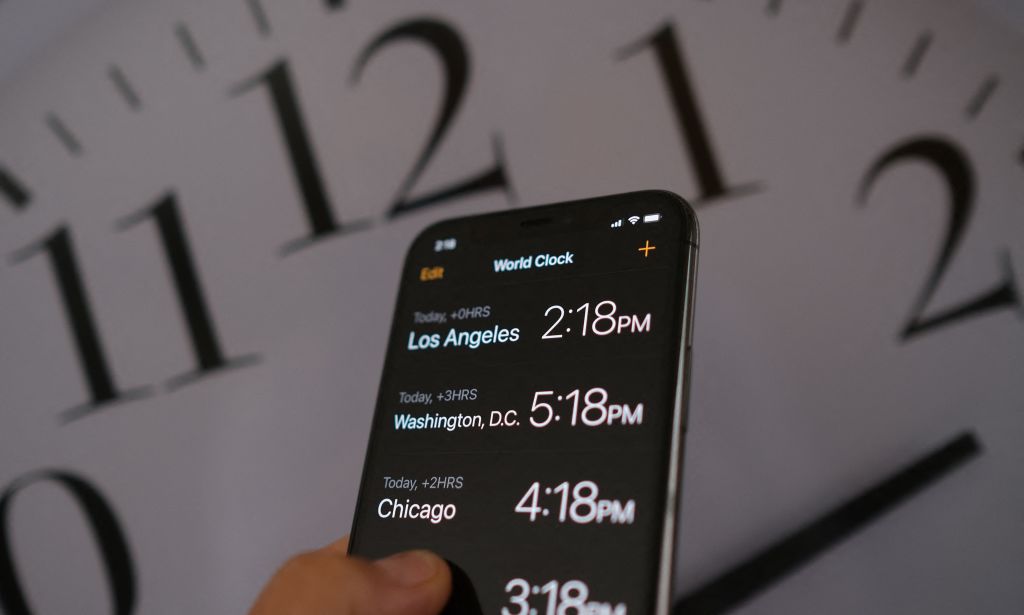
The debate over timekeeping in the United States is heating up as a growing number of Americans express dissatisfaction with the biannual clock changes. On March 8, 2023, at 2 a.m., clocks moved forward one hour to 3 a.m., marking the return of daylight saving time (DST). Only a few regions, including Arizona (excluding the Navajo Nation), Hawaii, Guam, and some U.S. territories, remained unaffected by this time shift.
Public sentiment is increasingly against the practice of changing clocks twice a year. The primary focus now is on potential policy changes. Many people are unaware that standard time was the norm in the U.S. until 1918, when DST was introduced as a supposed energy-saving measure during World War I. Although it was briefly discontinued after the war, DST was reinstated during World War II and later formalized with the passage of the Uniform Time Act of 1966.
Critics argue that the belief in energy savings associated with DST is misguided. Some lawmakers at both the state and federal levels have proposed making DST permanent, a move that many experts warn would be unwise. In 1974, a two-year experiment with permanent DST was implemented, initially supported by 79% of the public. However, after a series of tragic accidents involving schoolchildren, support plummeted to 42%, leading to the experiment’s termination just ten months later.
Despite historical evidence against permanent DST, proponents continue to advocate for it. The latest proposal is the Sunshine Protection Act, introduced by Florida Republicans Vern Buchanan and Rick Scott. This initiative seems to overlook the past, particularly the negative consequences experienced by Florida schoolchildren during the 1974 experiment.
The Uniform Time Act currently allows states to adopt standard time for the entire year but does not permit the permanent adoption of DST without amending or repealing the existing law. A compromise proposed by Greg Steube, another Florida representative, suggests a “half-DST” by shifting clocks forward by thirty minutes permanently. While this may seem less disruptive, it would create further inconsistencies with global time zones and could still disrupt human circadian rhythms.
The twice-yearly clock changes have tangible impacts on productivity, as workers often experience decreased efficiency until they adjust to the new schedule. Retailers and outdoor sports venues often support DST, believing it increases sales by extending daylight hours in the evening. However, the argument that an hour of lost sleep in March signals the end of winter overlooks the natural changes in daylight throughout the year, regardless of clock settings.
Currently, standard time is observed for only four months of the year, from early November to early March. Many argue it is time to revert to a year-round standard time to eliminate the disruption and confusion caused by the clock changes. The call to end this practice is growing louder, reflecting a significant shift in public opinion and the need for a reassessment of time policies in the United States.
William F. Shughart II, a distinguished research adviser and senior fellow at the Independent Institute, emphasizes the need to reconsider the current system in his commentary, urging lawmakers to abandon the seasonal clock changes and adopt standard time permanently.

Funko’s Price Target Increased to $4.00 as Analysts React

Humboldt Celebrates as ‘One Battle After Another’ Claims Best Picture

GSK Faces Backlash Over Asthma Inhaler Scrapping, Children Suffer

Adorable Sandhill Crane Colt Hugs Mom in The Villages

USA Unveils Star-Spangled Jerseys Ahead of March Friendlies

Newport Plans Colorful Lighting for Fourth Street Bridge

Sandia Scientists Honored for Innovative Career Journeys

Urgent: Charles M. Payment Passes Away at 78, Memorial Details Inside

NFL Free Agency: Key Moves and Player Signings in Week One

Researchers Launch $1.25M Project for Real-Time Hazard Monitoring in Hawaiʻi

UK Government Borrowing Hits £20.2 Billion in September Surge

Flipkart Republic Day Sale: iPhone 16 Plus Price Slashed by ₹23,900

Inventor Achieves Breakthrough with 2 Billion FPS Laser Video

Dua Lipa Aces GCSE Spanish, Sparks Super Bowl Buzz with Fans

Charlie Sheen’s New Romance: ‘Glowing’ with Younger Partner

Community Unites for 7th Annual Into the Light Walk for Mental Health

Mother Fights to Reunite with Children After Kidnapping in New Drama

Olivia Plath Opens Up About Her Marriage Struggles and Divorce
-
 Science4 months ago
Researchers Launch $1.25M Project for Real-Time Hazard Monitoring in Hawaiʻi
-
 World6 months ago
UK Government Borrowing Hits £20.2 Billion in September Surge
-
 Business3 months ago
Flipkart Republic Day Sale: iPhone 16 Plus Price Slashed by ₹23,900
-
 Science6 months ago
Inventor Achieves Breakthrough with 2 Billion FPS Laser Video
-
 Entertainment6 months ago
Dua Lipa Aces GCSE Spanish, Sparks Super Bowl Buzz with Fans
-
 Top Stories6 months ago
Charlie Sheen’s New Romance: ‘Glowing’ with Younger Partner
-
 Health6 months ago
Community Unites for 7th Annual Into the Light Walk for Mental Health
-
 Entertainment6 months ago
Mother Fights to Reunite with Children After Kidnapping in New Drama
-
 Entertainment6 months ago
Olivia Plath Opens Up About Her Marriage Struggles and Divorce
-

 Top Stories5 months ago
T-Mobile Faces Backlash Over New Late Fees, Customers Flee
-

 Entertainment4 months ago
Send It South Revives Culture and Community at The Momentary
-

 Science6 months ago
AI Gun Detection System Mistakes Doritos for Weapon, Sparks Outrage