
Politics
Disabled Activist Vows to Speak Out After Detention by ICE

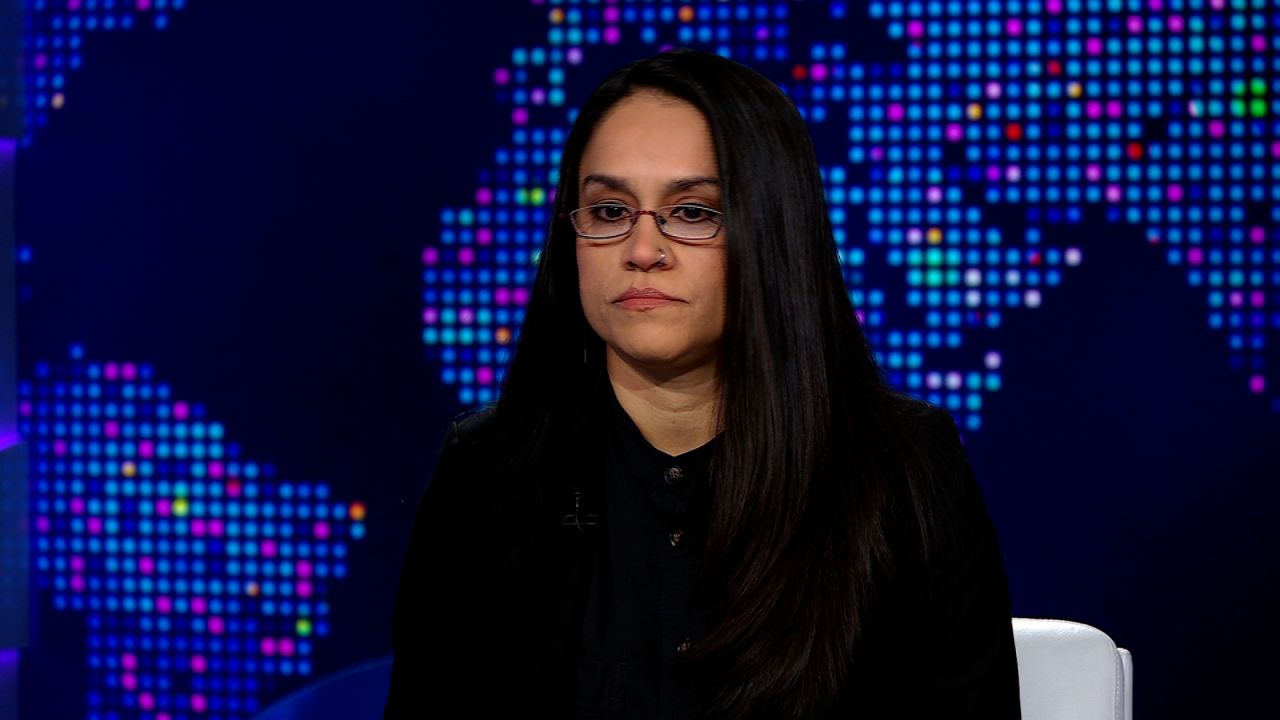
A disabled woman, Aliya Rahman, has vowed to continue speaking out following a violent encounter with agents from U.S. Immigration and Customs Enforcement (ICE). Rahman was forcibly removed from her vehicle by ICE agents and subsequently detained at the Whipple Detention Center. Her testimony on Capitol Hill has drawn attention to the treatment of individuals in detention facilities.
During her discussion with legal analyst Laura Coates after her testimony, Rahman expressed the emotional toll of her experience. She reported struggling to process the violence she faced during her detention and shared that the memories of fellow detainees haunt her. “The faces of the people inside that detention center keep me up at night,” Rahman stated.
Rahman, who has a disability, emphasized her commitment to advocate for others who are experiencing similar situations. “I feel like there is a weight,” she explained, referring to her newfound responsibility to raise awareness. She articulated her fears about the impact of her advocacy, saying, “My greatest fear is that I won’t say the right things.”
Advocacy and Awareness
Rahman’s testimony has added momentum to discussions surrounding the treatment of vulnerable populations in detention. Her firsthand account highlights the urgent need for systemic reforms within ICE and the broader immigration system. Advocates are increasingly calling for transparency and accountability regarding the conditions faced by detainees.
By sharing her story, Rahman aims to shed light on the harsh realities faced by many individuals in similar circumstances. Her resolve to speak out reflects a growing movement among activists who seek to challenge the status quo and advocate for the rights of marginalized communities.
The incident involving Rahman has sparked conversations about the necessity of humane treatment for all individuals, regardless of their immigration status. As her voice joins those of other activists, the hope is to foster a more compassionate approach to immigration enforcement.
The broader implications of Rahman’s experience extend beyond her personal struggles, highlighting the intersectionality of disability and immigration issues. Her story serves as a reminder that advocacy can emerge from the most challenging experiences and that the fight for justice is often led by those who have faced adversity firsthand.
As discussions continue, Rahman remains firm in her commitment to amplify the voices of those who may feel silenced. Her courage in confronting her fears and sharing her experience is a powerful testament to the impact of personal stories in the realm of social justice.

Funko’s Price Target Increased to $4.00 as Analysts React

Humboldt Celebrates as ‘One Battle After Another’ Claims Best Picture

GSK Faces Backlash Over Asthma Inhaler Scrapping, Children Suffer

Adorable Sandhill Crane Colt Hugs Mom in The Villages

USA Unveils Star-Spangled Jerseys Ahead of March Friendlies

Newport Plans Colorful Lighting for Fourth Street Bridge

Sandia Scientists Honored for Innovative Career Journeys

Urgent: Charles M. Payment Passes Away at 78, Memorial Details Inside

NFL Free Agency: Key Moves and Player Signings in Week One

Researchers Launch $1.25M Project for Real-Time Hazard Monitoring in Hawaiʻi

Send It South Revives Culture and Community at The Momentary

UK Government Borrowing Hits £20.2 Billion in September Surge

Flipkart Republic Day Sale: iPhone 16 Plus Price Slashed by ₹23,900

Adecco SA Secures Mixed Ratings from Analysts Amid Earnings Update

Researchers Achieve Record 15.1 mA/cm² Hydrogen Production Efficiency

Globant Reveals Key Tech Forces Shaping Business in 2026

Inventor Achieves Breakthrough with 2 Billion FPS Laser Video

Dua Lipa Aces GCSE Spanish, Sparks Super Bowl Buzz with Fans
-
 Science8 months ago
Researchers Launch $1.25M Project for Real-Time Hazard Monitoring in Hawaiʻi
-
 Entertainment7 months ago
Send It South Revives Culture and Community at The Momentary
-
 World10 months ago
UK Government Borrowing Hits £20.2 Billion in September Surge
-
 Business6 months ago
Flipkart Republic Day Sale: iPhone 16 Plus Price Slashed by ₹23,900
-
 Sports8 months ago
Adecco SA Secures Mixed Ratings from Analysts Amid Earnings Update
-
 Top Stories5 months ago
Researchers Achieve Record 15.1 mA/cm² Hydrogen Production Efficiency
-
 Business8 months ago
Globant Reveals Key Tech Forces Shaping Business in 2026
-
 Science10 months ago
Inventor Achieves Breakthrough with 2 Billion FPS Laser Video
-
 Entertainment10 months ago
Dua Lipa Aces GCSE Spanish, Sparks Super Bowl Buzz with Fans
-

 Top Stories10 months ago
Charlie Sheen’s New Romance: ‘Glowing’ with Younger Partner
-

 Top Stories8 months ago
JSerra Names Hardy Nickerson as First Black Football Coach
-

 Health10 months ago
Community Unites for 7th Annual Into the Light Walk for Mental Health