
Politics
Fractures Emerge in Global Hamas Solidarity Movement

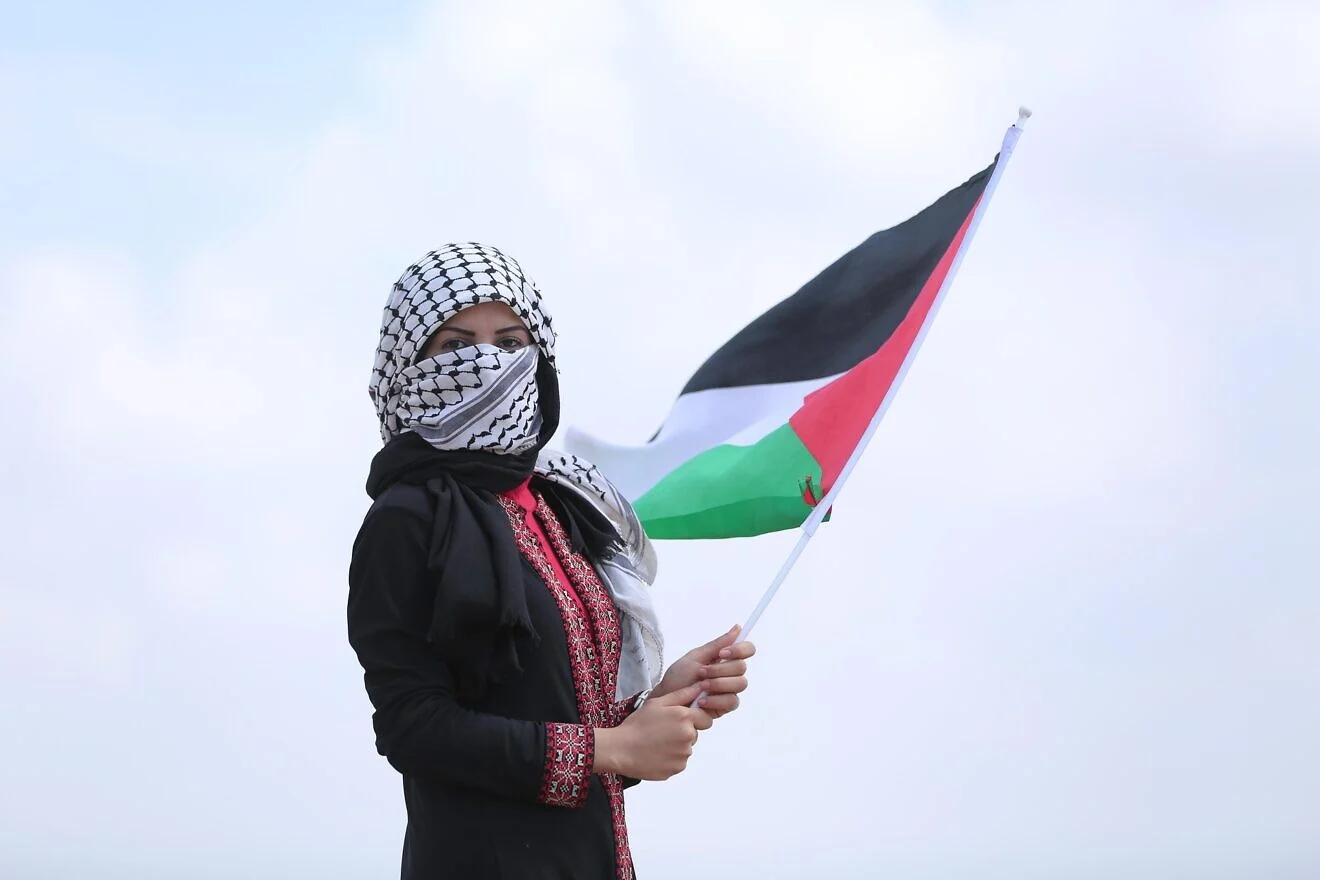
The global solidarity movement with Hamas is undergoing significant changes as the war in Gaza fades from the headlines. Over the past two years, mass demonstrations and college encampments have been notable features of this movement, coinciding with a troubling rise in antisemitic incidents. Increasingly evident are the divisions within this movement, which can be broadly categorized into two factions.
One faction represents the traditional solidarity movement, comprising long-established organizations that have garnered support from various celebrities and politicians. This group has remained focused on advocating for Palestinian rights and often frames its rhetoric in terms that avoid direct attacks on Jewish people. In stark contrast, a more radical faction is emerging, characterized by its unabashed support for Hamas and Iran, and a willingness to express anti-Israel sentiment more openly, often bordering on antisemitism.
Despite their differences, the traditional and radical wings of the movement share several core beliefs. Both groups assert that the conflict in Gaza constitutes a “genocide” against Palestinian Arabs and denounce Zionism as a form of racism. They also support the Boycott, Divestment, Sanctions (BDS) movement, which calls for economic actions against Israel, and advocate for a single Arab state in place of Israel. Furthermore, both factions view the Islamic Republic of Iran as a progressive force, opposing Israeli and U.S. military actions against it.
Yet, their views diverge significantly regarding Jewish people and their place in Israel. The traditional movement tends to avoid direct attacks on Jewish individuals, instead using terms like “Zionist” as coded language. This group often highlights the presence of Jewish activists within its ranks to counter accusations of antisemitism. They generally advocate for the integration of Jews into a future Palestinian state rather than their expulsion.
The shifting dynamics within the Palestinian solidarity movement reflect broader social changes. Many of the current activists, particularly those leading radical initiatives, are second- or third-generation Palestinians living abroad. These individuals often lack refugee status but hold citizenship in their respective countries, leading to the formation of groups like “Within Our Lifetime” in the United States and the “Anti Zionist Movement” in the United Kingdom.
“Within Our Lifetime,” led by Palestinian-American activist Nerdeen Kiswani, has gained notoriety for its aggressive stance against Israel. The group claims that its “anti-Zionism” is foundational to its opposition to normalizing relations with Israel. Their rhetoric raises concerns as it can be interpreted as a call for the removal or expulsion of Jews from Israel, relegating those who remain to a marginalized status.
In the United Kingdom, the “Anti Zionist Movement” has also attracted attention, particularly due to its leadership. Rahmeh Aladwan, a Palestinian doctor, has faced multiple arrests for her antisemitic comments online. Another prominent figure, David Miller, was dismissed from his academic position for harassment of Jewish students. His statements have been described as contributing to a troubling trend within the pro-Palestinian movement, which some observers have likened to a “Nazification” of its rhetoric.
On February 8, 2024, the Anti Zionist Movement planned to launch its activities in Birmingham, where police previously banned supporters of the Israeli soccer team Maccabi Tel Aviv from attending a match. The cancellation of their original venue provided the group with an opportunity to frame the incident as evidence of a “Zionist-occupied” Britain.
This radical faction aligns closely with groups like Palestine Action, which has been classified as a terrorist organization by British authorities. Both movements display impatience with more established solidarity organizations, often resorting to violent tactics to achieve their goals. Given the historical context of anti-Zionist activism, there are concerns that this radicalization could lead to violence as seen in previous decades.
As the global solidarity movement with Hamas continues to evolve, the divisions and radicalization pose significant questions about its future direction. The increasing visibility of antisemitic rhetoric within this movement raises alarms not only for Jewish communities but also for broader societal implications regarding tolerance and dialogue.

Funko’s Price Target Increased to $4.00 as Analysts React

Humboldt Celebrates as ‘One Battle After Another’ Claims Best Picture

GSK Faces Backlash Over Asthma Inhaler Scrapping, Children Suffer

Adorable Sandhill Crane Colt Hugs Mom in The Villages

USA Unveils Star-Spangled Jerseys Ahead of March Friendlies

Newport Plans Colorful Lighting for Fourth Street Bridge

Sandia Scientists Honored for Innovative Career Journeys

Urgent: Charles M. Payment Passes Away at 78, Memorial Details Inside

NFL Free Agency: Key Moves and Player Signings in Week One

Researchers Launch $1.25M Project for Real-Time Hazard Monitoring in Hawaiʻi

Send It South Revives Culture and Community at The Momentary

UK Government Borrowing Hits £20.2 Billion in September Surge

Flipkart Republic Day Sale: iPhone 16 Plus Price Slashed by ₹23,900

Adecco SA Secures Mixed Ratings from Analysts Amid Earnings Update

Researchers Achieve Record 15.1 mA/cm² Hydrogen Production Efficiency

Globant Reveals Key Tech Forces Shaping Business in 2026

Dua Lipa Aces GCSE Spanish, Sparks Super Bowl Buzz with Fans

Inventor Achieves Breakthrough with 2 Billion FPS Laser Video
-
 Science8 months ago
Researchers Launch $1.25M Project for Real-Time Hazard Monitoring in Hawaiʻi
-
 Entertainment7 months ago
Send It South Revives Culture and Community at The Momentary
-
 World9 months ago
UK Government Borrowing Hits £20.2 Billion in September Surge
-
 Business6 months ago
Flipkart Republic Day Sale: iPhone 16 Plus Price Slashed by ₹23,900
-
 Sports8 months ago
Adecco SA Secures Mixed Ratings from Analysts Amid Earnings Update
-
 Top Stories5 months ago
Researchers Achieve Record 15.1 mA/cm² Hydrogen Production Efficiency
-
 Business8 months ago
Globant Reveals Key Tech Forces Shaping Business in 2026
-
 Entertainment10 months ago
Dua Lipa Aces GCSE Spanish, Sparks Super Bowl Buzz with Fans
-
 Science10 months ago
Inventor Achieves Breakthrough with 2 Billion FPS Laser Video
-

 Top Stories10 months ago
Charlie Sheen’s New Romance: ‘Glowing’ with Younger Partner
-

 Top Stories8 months ago
JSerra Names Hardy Nickerson as First Black Football Coach
-

 Health10 months ago
Community Unites for 7th Annual Into the Light Walk for Mental Health