
Politics
Massachusetts Senate to Debate Mayor Wu’s Tax Shift Proposal

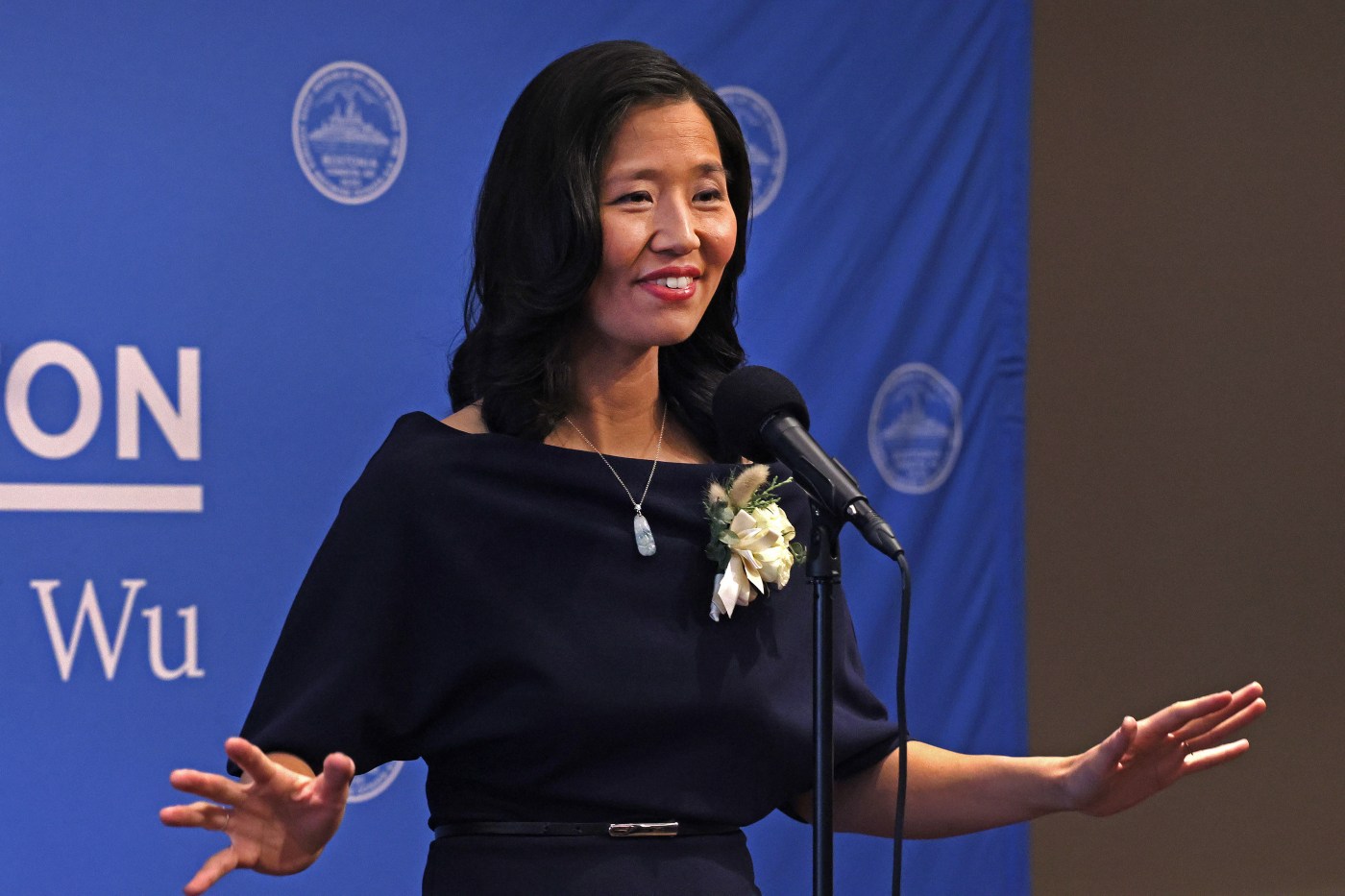
Boston Mayor Michelle Wu is set to have her contentious tax shift bill discussed by the Massachusetts Senate on October 5, 2023. This marks the first time the proposal will be addressed since it was previously rejected over a year ago. The bill has been reintroduced as an amendment to an alternative tax relief proposal spearheaded by State Senator William Brownsberger.
State Senator Michael Rush, a Democrat representing Boston, submitted the amendment to Brownsberger’s property tax bill. This amendment closely resembles the language in a home rule petition that Wu has advocated for nearly two years. The goal of the proposal is to alleviate the tax burden on Boston residents by shifting a greater portion of property taxes from the residential sector to commercial property owners.
“Property tax relief is a pressing issue for my constituents — and residents throughout the state,” Rush stated to the Boston Herald. He emphasized the importance of the home rule petition that has already been approved by the Boston City Council, which aims to provide necessary tax relief for Boston homeowners.
Wu’s administration has expressed strong support for the amendment. A spokesperson for the mayor indicated that Wu had actively requested the amendment’s introduction to ensure that the residential tax relief language is included in the Senate discussions. “We are following closely and hope the final bills will include this needed relief for residents,” the spokesperson noted.
The mayor’s tax shift proposal comes as homeowners face an estimated 13% tax increase this year, following the distribution of third-quarter tax bills earlier this month. The legislation seeks to exceed the state’s 175% limit on property tax shifts for a three-year duration, redistributing the financial burden more equitably.
The Senate session on Thursday will also consider several other amendments filed by various senators in conjunction with Brownsberger’s property tax bill. “All amendments filed by members of the Senate will be considered by the full body during our session,” a representative from Senate President Karen Spilka’s office confirmed.
A vote on the proposed bill and the associated amendments is anticipated to occur on the same day. Senator Nick Collins, a Democrat from South Boston, has also introduced a tax relief bill which will be deliberated alongside the mayor’s amendment. Collins has previously opposed the tax shift aspect of Wu’s proposal, having played a role in its rejection in late 2024.
Collins has proposed tax rebates for low- and middle-income homeowners who currently benefit from the residential tax exemption, utilizing surplus funds for this purpose. He has also included tax relief provisions for seniors, veterans, and small businesses. “I think that the relief measures are positive… but I think anything that involves a tax increase is going to be difficult,” Collins remarked in a statement.
Concerns have been raised regarding the potential statewide implications of Rush’s amendment, which could extend the mayor’s tax shift proposal beyond Boston. Collins highlighted the city’s current surplus of $552 million and expressed skepticism regarding the necessity for tax increases amidst the financial cushion.
Additionally, Collins has filed an amendment to extend the abatement process deadline to April 1, providing homeowners and commercial property owners more time to challenge city property assessments. Wu has previously included tax rebates in her home rule petition as a fallback option and renewed her appeal for Senate approval last month.
Both Collins and Brownsberger’s bills aim to protect homeowners from substantial tax increases by phasing in increases or offering targeted tax credits when property tax hikes are projected to exceed 10%. Senate Minority Leader Bruce Tarr, a Republican from Gloucester, is a co-sponsor of both the proposed bills.
If the Senate approves the bills and any related amendments, they will move forward to the House of Representatives for further consideration.

Funko’s Price Target Increased to $4.00 as Analysts React

Humboldt Celebrates as ‘One Battle After Another’ Claims Best Picture

GSK Faces Backlash Over Asthma Inhaler Scrapping, Children Suffer

Adorable Sandhill Crane Colt Hugs Mom in The Villages

USA Unveils Star-Spangled Jerseys Ahead of March Friendlies

Newport Plans Colorful Lighting for Fourth Street Bridge

Sandia Scientists Honored for Innovative Career Journeys

Urgent: Charles M. Payment Passes Away at 78, Memorial Details Inside

NFL Free Agency: Key Moves and Player Signings in Week One

Researchers Launch $1.25M Project for Real-Time Hazard Monitoring in Hawaiʻi

Send It South Revives Culture and Community at The Momentary

UK Government Borrowing Hits £20.2 Billion in September Surge

Flipkart Republic Day Sale: iPhone 16 Plus Price Slashed by ₹23,900

Adecco SA Secures Mixed Ratings from Analysts Amid Earnings Update

Researchers Achieve Record 15.1 mA/cm² Hydrogen Production Efficiency

Globant Reveals Key Tech Forces Shaping Business in 2026

Dua Lipa Aces GCSE Spanish, Sparks Super Bowl Buzz with Fans

Inventor Achieves Breakthrough with 2 Billion FPS Laser Video
-
 Science8 months ago
Researchers Launch $1.25M Project for Real-Time Hazard Monitoring in Hawaiʻi
-
 Entertainment7 months ago
Send It South Revives Culture and Community at The Momentary
-
 World10 months ago
UK Government Borrowing Hits £20.2 Billion in September Surge
-
 Business6 months ago
Flipkart Republic Day Sale: iPhone 16 Plus Price Slashed by ₹23,900
-
 Sports8 months ago
Adecco SA Secures Mixed Ratings from Analysts Amid Earnings Update
-
 Top Stories5 months ago
Researchers Achieve Record 15.1 mA/cm² Hydrogen Production Efficiency
-
 Business8 months ago
Globant Reveals Key Tech Forces Shaping Business in 2026
-
 Entertainment10 months ago
Dua Lipa Aces GCSE Spanish, Sparks Super Bowl Buzz with Fans
-
 Science10 months ago
Inventor Achieves Breakthrough with 2 Billion FPS Laser Video
-

 Top Stories10 months ago
Charlie Sheen’s New Romance: ‘Glowing’ with Younger Partner
-

 Top Stories8 months ago
JSerra Names Hardy Nickerson as First Black Football Coach
-

 Health10 months ago
Community Unites for 7th Annual Into the Light Walk for Mental Health